As tensions continue to simmer between global superpowers, the world has witnessed a resurgence of strategic military manoeuvres, with Russia emerging as a critical player in the ongoing geopolitical chess game. In a recent development, the Cuban government has confirmed that a Russian Yasen-Class Submarine, the Kazan, and three other Russian naval vessels will be docking in Havana from June 12 to 17. This deployment comes amidst heightened concerns over Russia’s global power projection capabilities and its potential impact on the regional dynamics near the United States.
Russian Navy in the Caribbean: Yasen-class submarine
The Russian Navy’s decision to send the Kazan and three additional warships, including the missile frigate Admiral Gorshkov, an oil tanker, and a salvage tug, to the Caribbean region has piqued the interest of international observers. This move is part of Russia’s broader efforts to maintain a global naval presence and assert its influence in strategic locations, particularly in areas traditionally considered within the United States’ sphere of influence.
Timing and Significance of the Deployment
The timing of this deployment is particularly noteworthy, as it coincides with rising tensions between Russia and the West, primarily stemming from the ongoing conflict in Ukraine. The Russian government’s decision to send these naval assets to the Caribbean, which lies near the US mainland, is widely interpreted as a strategic message demonstrating Moscow’s ability to project power beyond its immediate regional boundaries.
Potential Objectives and Implications
While the Russian government has not explicitly stated the specific objectives behind this naval deployment, analysts have proposed several possible motives. These may include showcasing Russia’s global reach, enhancing military cooperation with allies such as Cuba and Venezuela, and potentially engaging in intelligence-gathering or other covert operations in the region. Nonetheless, the US government has stated that it does not consider this manoeuvre a direct threat, characterizing it as part of Russia’s routine naval activities.
Monitoring the Situation: The US Response

The United States has been closely monitoring the movement of the Russian naval vessels despite Russia’s not officially informing the US about the planned drills. This opaqueness has prompted worries about possible blunders or accidental escalations, especially in light of the heightened tensions between the two countries.
The US Government’s Stance
According to a senior US official, the US government does not consider the Russian naval deployments a direct threat to the US. The official stated that the US Navy would closely monitor the drills but emphasized that the country does not view the manoeuvre, which involves a limited number of ships and aircraft, as a significant security concern.
Potential for Increased Vigilance
While the US government has maintained a relatively calm and measured response, the proximity of the Russian naval assets to the US coast may prompt increased vigilance and surveillance efforts by the US military. This could include enhanced monitoring of the vessels’ activities and potential contingency planning to address any possible scenarios arising from the Russian presence in the Caribbean region.
Geopolitical Implications: Russia’s Expanding Influence in the Caribbean
The deployment of the Yasen-class submarine and other Russian naval assets to the Caribbean region must be viewed within the broader context of Moscow’s efforts to bolster its influence in the Western Hemisphere, particularly in countries that have historically maintained strained relations with the United States.
Russia’s Strengthening Ties with Cuba and Venezuela
In recent years, Russia has actively sought to deepen its ties with Cuba and Venezuela, two nations that have long been at odds with the US government. The visit of the Russian naval vessels to Cuba and the potential for port calls in Venezuela underscore the growing strategic partnership between Moscow and these Caribbean nations, which are valuable regional allies.
Challenges to US Dominance in the Caribbean
The increased Russian presence in the Caribbean, coupled with the strengthening of ties with Cuba and Venezuela, represents a potential challenge to the United States’ traditional dominance in the region. This development could have far-reaching implications for the geopolitical dynamics in the Western Hemisphere, potentially leading to increased competition and tension between the two global powers.
Russia’s Global Naval Posturing Yasen-Class Submarine
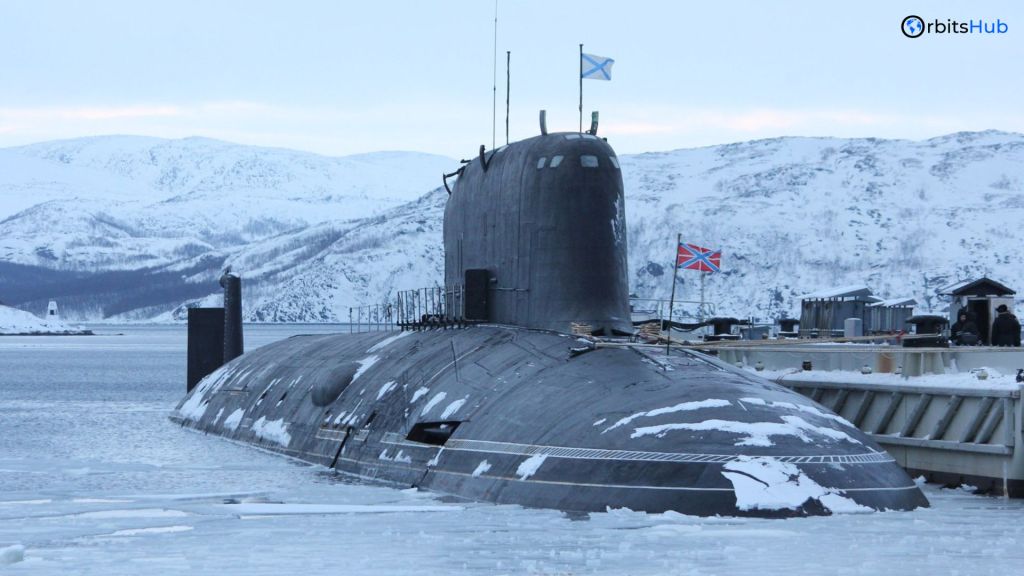
There is a pattern to Russia’s attempts to project its military might globally, and the deployment of the Yasen-class submarine and other Russian naval assets to the Caribbean is only one example of this.
Russia’s Intensified Naval Activities
In recent years, Russia has been actively engaged in naval exercises and deployments in various regions worldwide, including the Arctic, the Mediterranean, and the Pacific. These manoeuvres are widely seen as Moscow’s attempts to demonstrate its ability to operate in multiple theatres and maintain a global naval presence, even amid economic and technological challenges.
Implications for Regional Stability and Security
The increased Russian naval presence in different parts of the world, including the Caribbean, has the potential to impact regional stability and security dynamics. While the US government has downplayed the immediate threat posed by these deployments, the long-term implications for the balance of power and the potential for miscalculations or unintended escalations cannot be overlooked.
The Yasen-Class Submarine: A Formidable Asset in Russia’s Naval Arsenal
The Kazan, the Russian nuclear-powered submarine set to visit Havana, is part of the Yasen class of submarines, considered among the most advanced and capable vessels in the Russian Navy.
Technical Capabilities and Significance
The Yasen-class submarines have sophisticated technologies, including advanced sonar systems, long-range cruise missiles, and the ability to operate at great depths. Deploying this submarine to the Caribbean region demonstrates Russia’s naval prowess and willingness to project power in strategic locations.
Operational Considerations and Implications
The presence of the Kazan and other Russian naval assets in the Caribbean raises questions about their operational objectives and the potential impact on regional security dynamics. While the US government has stated that it does not consider the deployment a direct threat, the proximity of the Yasen-class submarine to the US mainland may prompt increased vigilance and contingency planning by US military and intelligence agencies.
Navigating Geopolitical Complexities: Potential Scenarios and Considerations
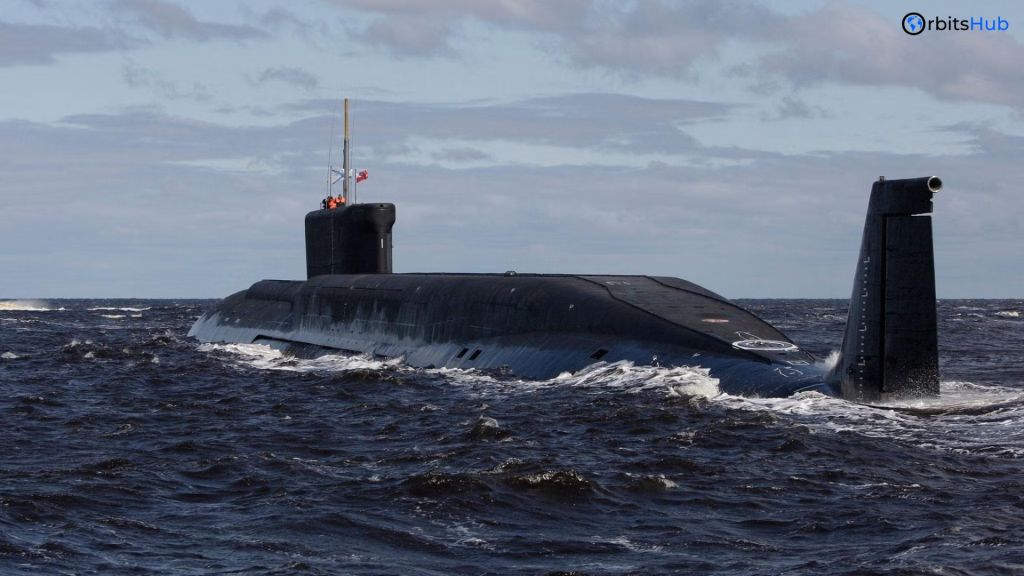
As the situation surrounding the Russian naval deployment to the Caribbean continues to evolve, policymakers and analysts must carefully navigate the complex geopolitical landscape and consider a range of potential scenarios and their implications.
Potential for Escalation and Miscalculation
Given the heightened tensions between Russia and the West, there is a risk of escalation or miscalculation, particularly if the presence of Russian naval assets is perceived as a provocation or a challenge to US regional dominance. Maintaining open lines of communication and transparency between the two nations will be crucial in mitigating the potential for unintended consequences.
Implications for Regional Stability and Security
The increased Russian presence in the Caribbean may also have broader regional stability and security implications. The strengthening of ties between Moscow and its regional allies, such as Cuba and Venezuela, could lead to increased competition and tension, potentially affecting the overall geopolitical dynamics in the Western Hemisphere.
The Importance of Multilateral Cooperation and Diplomacy
Addressing the challenges of Russian naval deployment will require a coordinated and multilateral approach involving the United States, Russia, and other regional and international stakeholders. Diplomatic efforts to foster open communication, build trust, and promote regional stability will be crucial in navigating this complex situation.
The Caribbean deployment of the Yasen-class submarine and other Russian naval equipment highlights Western Hemisphere geopolitical tensions and power shifts. Experts must evaluate the matter, seek diplomatic solutions, and protect regional security. Russian naval ships approaching the US demonstrate globalization. These perilous seas require careful communication and cooperation. Decisionmakers can stabilize the region by evaluating the Yasen-class submarine’s technical capabilities, Russia’s global naval posture, and various scenarios. As global tides alter, the world will watch Caribbean developments to avert conflict.
Do you want to learn more about cutting-edge aviation and maritime technology advancements? OrbitsHub, a leading consultancy service company specializing in these domains, can be your one-stop shop. Explore OrbitsHub to discover how their expertise can empower your organization.