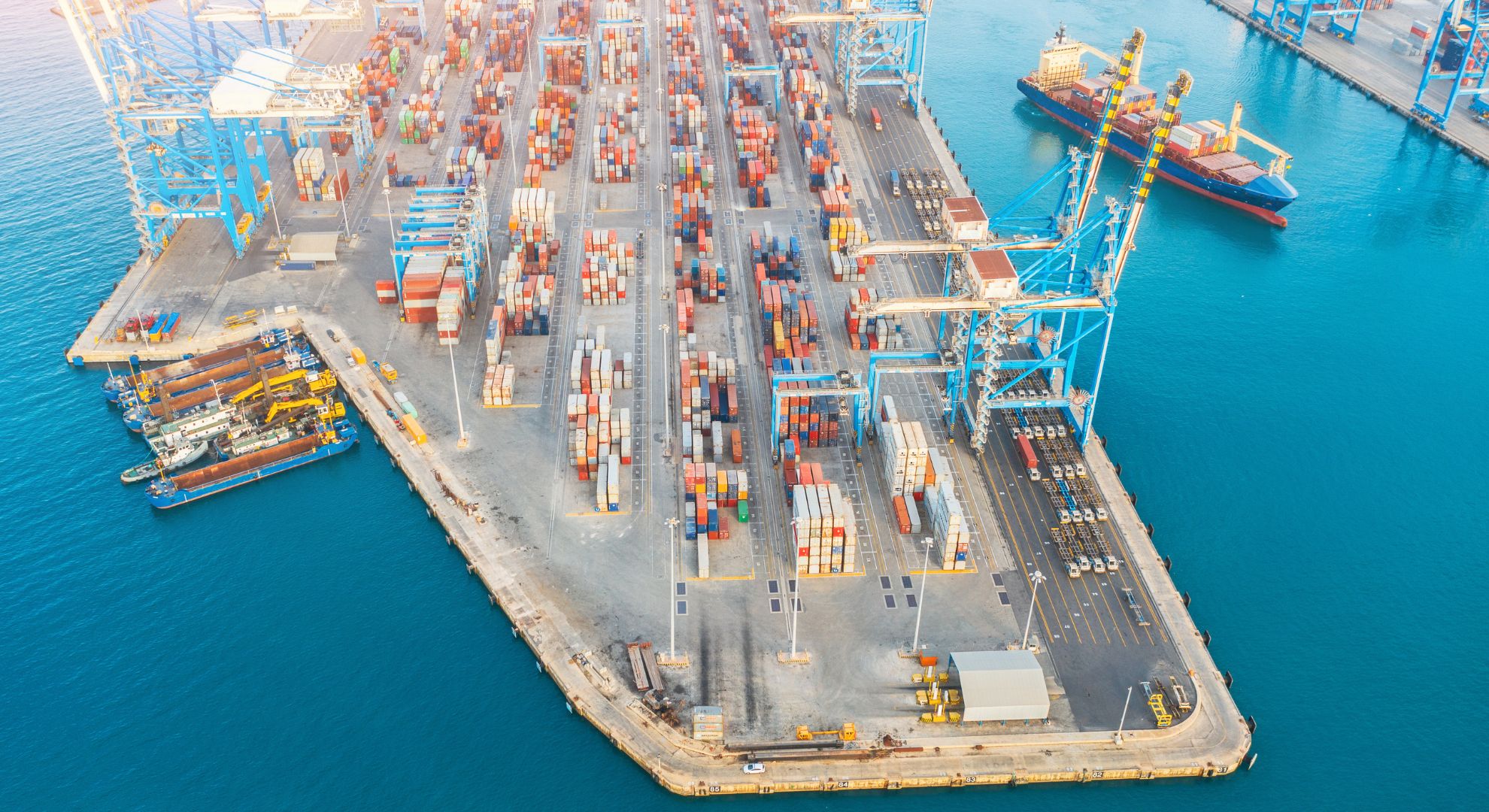

Sorong Port: A Geography Perspective
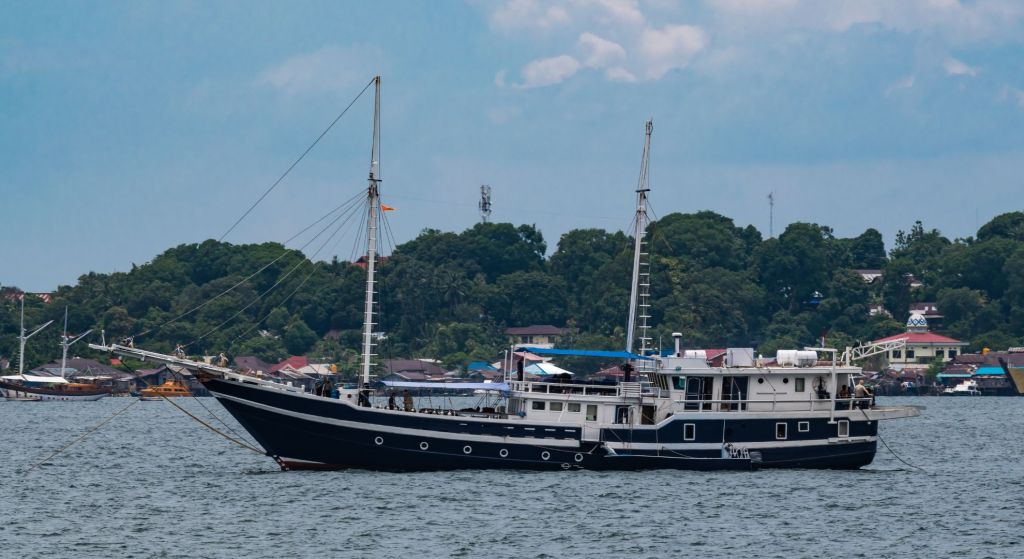
Situated on the western tip of Papua, Sorong Port commands a crucial position, connecting the eastern and western parts of Indonesia. Its location on the Birds Head Peninsula places it at the crossroads of major shipping routes, making it a key player in maritime trade. The port overlooks the Dampier Strait, connecting the Pacific Ocean to the Arafura Sea, making it a gateway to the eastern part of Indonesia.
Valuable Role in History
To truly understand the importance of Sorong Port, one must delve into its historical roots. The region has been a melting pot of cultures, with influences from indigenous Papuan communities, Dutch colonialism, and more recent Indonesian development. The cultural fabric that defines the area now can be better understood by delving into the historical layers of Sorong Port.
Effect on the Economy
Sorong Port is not merely a historical artifact; it is a bustling center of economic activity. The port facilitates the export of natural resources, with its proximity to the Raja Ampat Islands – a region known for its rich biodiversity and stunning coral reefs. Industries such as fisheries, mining, and forestry rely on Sorong Port to transport their products to national and international markets.
The rise of ecotourism in Raja Ampat has also contributed to the economic growth of Sorong Port. As tourists flock to explore the pristine marine life and lush landscapes, the port becomes a gateway for both domestic and international travelers, boosting the local economy.
Infrastructure Development

Significant infrastructural development has taken place at Sorong Port to accommodate the increasing demands of trade and tourists. Modernization projects, including the expansion of container terminals, improvement of cargo handling facilities, and enhancement of connectivity, have been instrumental in positioning Sorong Port as a vital hub for maritime activities.
Challenges and Opportunities
Despite its strategic importance, Sorong Port faces various challenges, ranging from logistical issues to environmental concerns. Balancing the economic growth facilitated by the port with sustainable practices poses a considerable challenge. This section explores the hurdles the port encounters and the opportunities for sustainable development that can be harnessed.
Cultural Vibrancy
Sorong Port is not just a conduit for goods and services; it is a meeting point for diverse cultures. The blog delves into the cultural vibrancy of Sorong, exploring the influences of Papuan traditions, Indonesian customs, and the interactions that occur at the port. From traditional ceremonies to the exchange of goods, Sorong Port reflects the rich cultural mosaic of the region.
Environmental Considerations
As a gateway to the ecologically fragile Raja Ampat region, Sorong Port’s operations have a direct impact on the environment. This section explores the measures taken to balance economic activities with environmental conservation, highlighting the initiatives aimed at preserving the unique biodiversity of the surrounding areas.
Technological Innovations in Port Operations
This section explores the latest technological advancements implemented at Sorong Port to streamline operations and enhance efficiency. It would cover topics such as using automated systems for cargo handling, the implementation of blockchain for secure and transparent transactions, and deploying intelligent logistics solutions that integrate artificial intelligence to predict and manage port traffic. This focus on technology would illustrate how Sorong Port is adapting to the digital age, ensuring faster, safer, and more reliable maritime services.
Strategic Partnerships and Regional Cooperation
Expanding on the network of relationships that Sorong Port has established, this section could detail its strategic alliances with other ports and maritime organizations both within and outside Indonesia. It would discuss the benefits of these partnerships, such as sharing best practices, joint ventures in port infrastructure projects, and coordinated efforts in maritime security and environmental protection. This topic would highlight how these collaborations enhance the port’s capacity and reputation as a leader in regional naval affairs, further solidifying its role as a critical hub in Southeast Asia’s maritime network.
Infrastructure Expansion and Connectivity
This topic would delve into the ongoing infrastructural developments at Sorong Port, such as the expansion of container terminals, improvements in cargo handling facilities, and enhanced connectivity through upgraded transportation networks. It would discuss how these developments are crucial in meeting the growing demands of trade and tourism and their impact on regional and global connectivity.
Sustainable Practices and Environmental Conservation
Focusing on the environmental aspect, this topic would explore the sustainable practices implemented at Sorong Port. It would cover initiatives such as waste management, renewable energy adoption, and conservation efforts to protect fragile ecosystems, especially those in the nearby Raja Ampat region. The discussion would not only highlight the importance of balancing economic activities with environmental conservation for long-term sustainability but also reassure our stakeholders about the port’s unwavering commitment to environmental stewardship.
Future Prospects

Looking ahead, the blog considers the future prospects of Sorong Port. With ongoing infrastructure projects, advancements in technology, and a growing awareness of sustainable practices, Sorong Port is poised to play an even more critical role in regional and global trade. The blog speculates on the potential developments and the implications for the local community and the broader Indonesian economy.
Sorong Port stands as more than a maritime gateway; it is a symbol of connectivity, economic vitality, and cultural diversity. By exploring its geographical, historical, economic, and cultural dimensions, we gain a comprehensive understanding of the multifaceted role Sorong Port plays in shaping the dynamics of Indonesia’s maritime landscape. A better, more sustainable future for the area and beyond is within reach, thanks to Sorong Port’s ongoing evolution.