
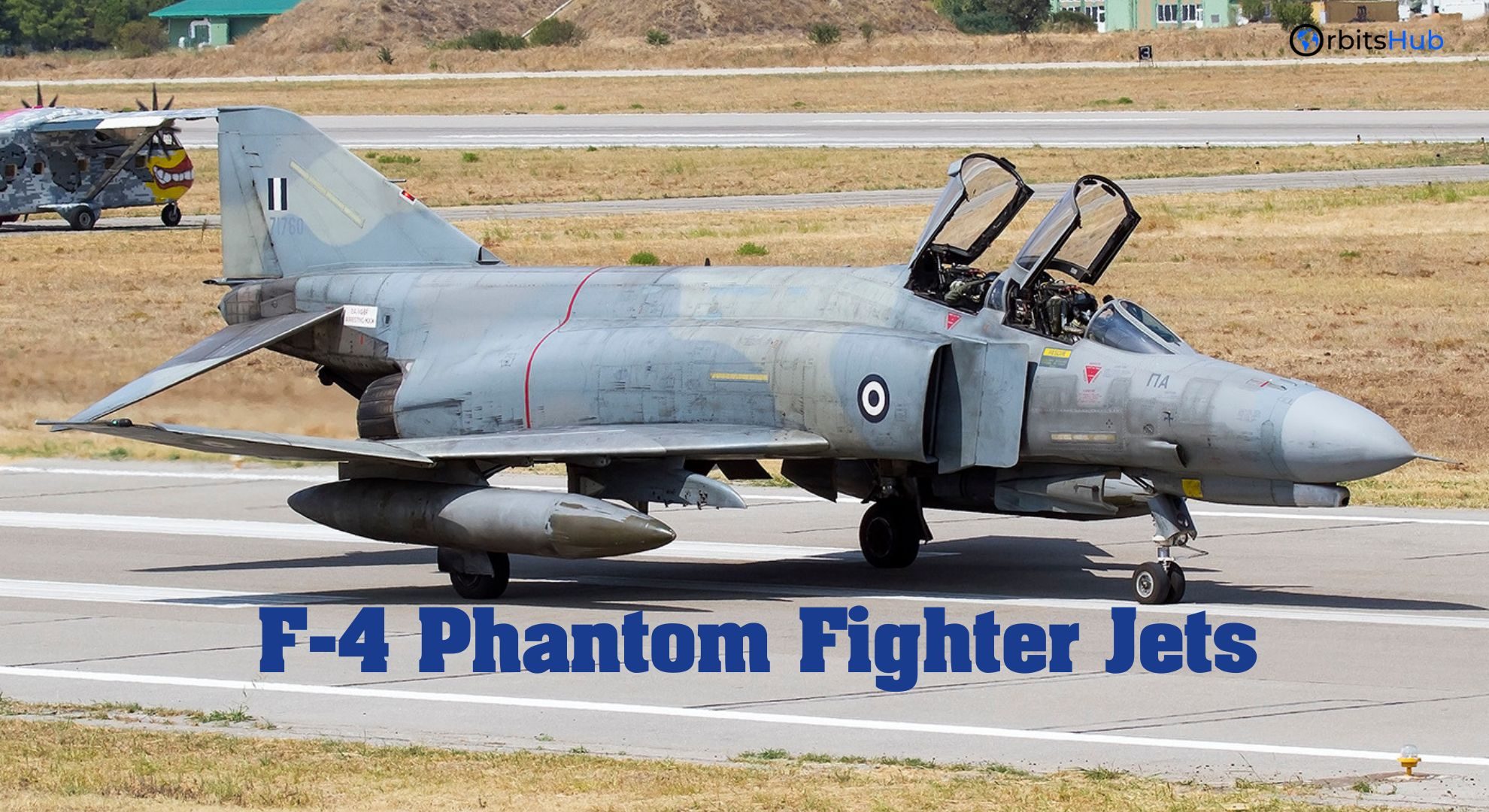
South Korea’s Farewell to F-4 Phantom Fighter Jets
After over half a century of unwavering service, South Korea’s Air Force bid an emotional farewell to its venerable fleet of F-4 Phantom fighter jets. This momentous occasion marked the end of an era as the nation’s skies prepared to welcome a new generation of aircraft to carry on the legacy. The retirement ceremony on May 12th was a poignant tribute to the Phantom’s illustrious history and the enduring spirit of those who dedicated their lives to safeguarding the nation’s sovereignty.
The F-4 Phantom’s Arrival: A Pivotal Shift
Rising tensions with North Korea prompted South Korea to shift the balance of air power on the Korean Peninsula in the late 1960s. 1969, US F-4 Phantom IIs arrived in South Korea, establishing air dominance. The government needed this purchase to fight against North Korea’s Soviet planes. The Phantoms’ debut laid the stage for South Korea’s economic ascent and air superiority over its northern rival.
The Phantom’s Capabilities
The F-4 Phantom II, a supersonic fighter-bomber developed by McDonnell Douglas, was a true engineering marvel. The aircraft began as a US Navy interceptor but became versatile enough to undertake a variety of missions:
- Air-to-air combat
- Ground attack operations
- Reconnaissance
- Electronic warfare
With its impressive speed, manoeuvrability, and payload capacity, the Phantom quickly became an indispensable asset in South Korea’s efforts to maintain a robust defence posture.
Decades of Unwavering Service
Throughout its 55-year tenure in South Korean service, the F-4 Phantom played a pivotal role in numerous critical operations and incidents, cementing its place in the nation’s military history.
- In 1971, Phantoms were instrumental in sinking a North Korean spy ship that had infiltrated South Korean waters, demonstrating the aircraft’s versatility and effectiveness.
- In 1983 and 1984, the Phantoms were mobilized to intercept Soviet bombers and a nuclear submarine that had encroached on South Korean airspace, showcasing their readiness and deterrence capabilities.
Throughout its service, the F-4 Phantom remained a steadfast guardian of South Korea’s skies, crucial in maintaining its security and sovereignty.
The Human Element
The Phantom’s impressive technical capabilities were a critical factor in its success. The unwavering dedication and sacrifice of the pilots and ground crews made the aircraft legendary. The retirement ceremony paid homage to these unsung heroes, honouring the fallen pilots and patriots who sacrificed in the line of duty.
Their bravery and dedication will forever remind South Koreans of the human element behind every military operation.
The Final Flight F-4 Phantom: A Poignant Farewell
This project is headed by the South Korean supersonic fighter KF-21 Boramae. The KF-21 replaces the F-4 and F-5 fleets, demonstrating national self-reliance and technological improvement.
South Korea’s “three-axis” deterrence program against North Korea’s nuclear and missile threats uses the 2026 KF-21. This system includes Kill Chain, Korea Massive Punishment and Retaliation, and Korea Air and Missile Defense.
A Symbolic Handover
Including the KF-21 Boramae prototypes in the farewell flight held profound symbolic significance. As the Phantoms gracefully ceded their role as guardians of the skies, the KF-21 – South Korea’s indigenously developed supersonic fighter – stood ready to take up the mantle.

This symbolic handover represented a changing of the guard and a testament to South Korea’s technological prowess and commitment to maintaining a robust defence posture in the face of evolving threats.
The F-4 Phantom’s Legacy: Etched in History
The Phantoms’ final flights will forever mark South Korean military history. Throughout its 55-year tenure, the F-4 Phantom became an iconic symbol of the nation’s resilience, strength, and unwavering commitment to protecting its sovereignty.
By the Numbers
The sheer scale of the Phantom’s impact on South Korea’s air defence is staggering:
- Approximately 220 F-4 Phantoms were operated by the South Korean Air Force over the years.
- The aircraft participated in various missions, from surveillance to interception, showcasing its versatility.
- Only around 10 Phantoms remained in active service in recent years, a testament to their longevity and durability.
These numbers tell a story of unwavering service, resilience, and the enduring spirit of those who dedicated their lives to operating and maintaining these remarkable aircraft.
The Future of South Korea’s Air Superiority
While the retirement of the F-4 Phantom marks the end of an era, it also heralds a new chapter in South Korea’s quest for air superiority. The nation is actively pursuing cutting-edge technologies and platforms to maintain its edge in the ever-evolving realm of aerial warfare.
The KF-21 Boramae: A New Era Dawns
This project is headed by the South Korean supersonic fighter KF-21 Boramae. The KF-21 replaces the F-4 and F-5 fleets, demonstrating national self-reliance and technological improvement.
South Korea’s “three-axis” deterrence program against North Korea’s nuclear and missile threats uses the 2026 KF-21. This system includes Kill Chain, Korea Massive Punishment and Retaliation, and Korea Air and Missile Defense.
Strengthening Alliances and Partnerships
South Korea is forming strategic alliances and partnerships to improve its air defence capabilities. These partnerships led to the purchase of F-35A stealth warplanes from the US.
South Korea uses its partners’ skills and resources to keep ahead of new dangers and deter prospective rivals.
Preserving the F-4 Phantom Legacy
As South Korea embraces the future of aerial warfare, efforts are underway to ensure that the legacy of the F-4 Phantom is preserved for generations to come. Museums and memorials nationwide are dedicated to honouring these iconic aircraft and the brave individuals who flew them.

The Korean Air Force Museum
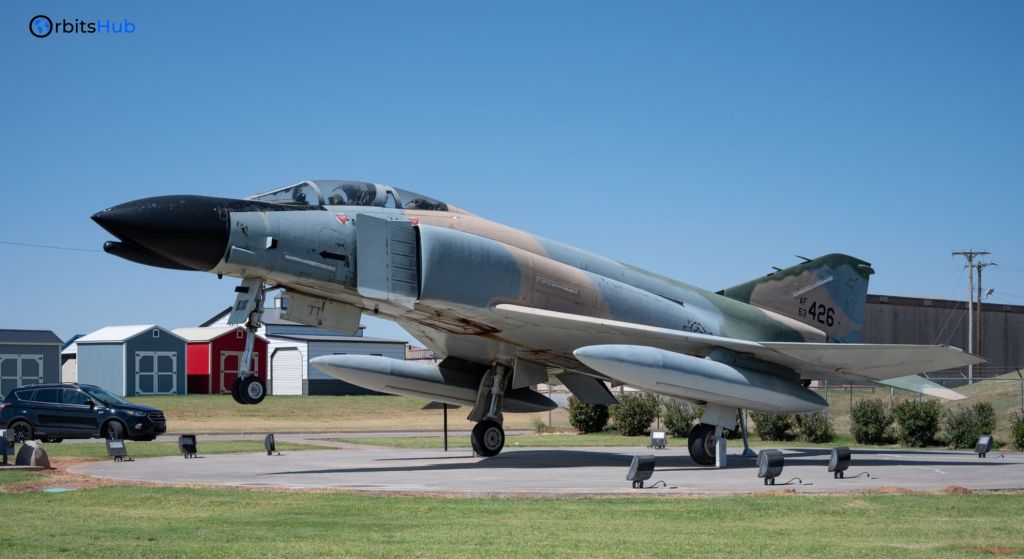
One such institution is the Korean Air Force Museum, which houses a meticulously preserved F-4D Phantom II among its extensive collection of aircraft and artefacts. Visitors can marvel at this legendary jet’s sleek lines and imposing presence, gaining a deeper appreciation for its role in shaping South Korea’s military history.
Honouring the Fallen
South Korea has also honoured people who died on Phantoms in addition to maintaining their physical legacy. Memorial sites and monuments remind us of the human cost of peace and security.
South Korea preserves these legacies to inspire and guide future service members and residents.
The F-4 Phantom Enduring Impact
As the final Phantoms take their last flights over South Korean skies, their impact extends beyond military operations. These iconic aircraft have become woven into the nation’s cultural identity fabric, symbolizing resilience, determination, and the unwavering pursuit of peace and security.
A Cultural Icon
The F-4 Phantom’s sleek silhouette and distinctive howl have become ingrained in South Koreans’ collective consciousness. Its image has graced countless art, literature, and popular culture pieces, cementing its status as a true cultural icon.
Inspiring Future Generations
The Phantom inspires South Koreans beyond its cultural significance. Its story of unwavering determination in the face of hardship reminds us of the sacrifices made for independence and sovereignty. The Phantom’s lessons will help South Korea protect itself and promote regional peace and stability in the current geopolitical situation.
After retiring, the F-4 Phantom fighter jet will symbolize South Korea’s endurance, technology, and sovereignty. Phantoms flutter away, inspiring memories. South Korea wants air superiority because of the Phantom’s career and devoted crew. Technology and intelligent partnerships secured Korean skies, and the Phantom provided peace and prosperity. After this landmark aircraft visit, South Korea’s aviation supremacy objective is driven by past lessons and future ambitions.
Ready to navigate the skies and seas with expertise? Explore orbitshub.com now to unlock top-notch maritime and aviation consultancy services.