

Singapore Port Congestion Escalates as Ship Divert from Red Sea
Singapore’s busy port is facing a growing challenge: congestion. Due to recent security concerns, ships diverting from the Red Sea significantly worsen this congestion. Here, we’ll examine the reasons behind this congestion and how it has affected international trade.
Red Sea Disruptions Send Ripples Through Global Shipping
In the past few months, security concerns surrounding the Red Sea, a vital route for international trade, have increased. Shipping lines divert their vessels around Africa’s Cape of Good Hope to avoid these dangers, significantly extending voyage times. This has resulted in a domino effect, disrupting meticulously planned schedules and causing a surge in vessel arrivals at alternative ports, particularly Singapore.
Singapore Strains Under Unexpected Influx: Red Sea
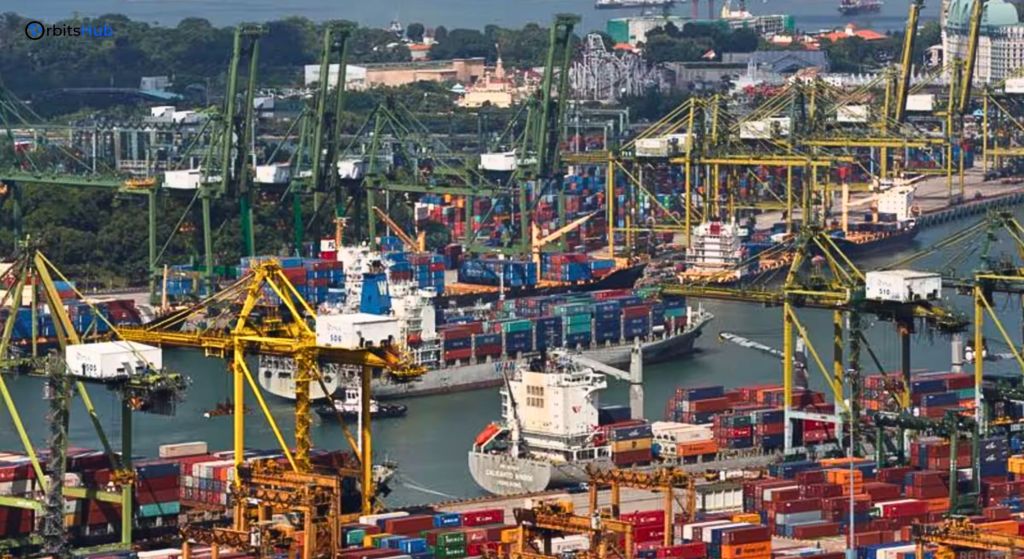
Singapore, a well-oiled machine known for its efficient port operations, is now grappling with an unexpected influx of ships. Container terminal utilization rates have skyrocketed to nearly 90%, a level that strains even the most robust systems. This surge in activity has led to:
- Lengthened waiting times: Ships are now waiting up to seven days to berth at Singapore’s port, significantly impacting their schedules and causing delays throughout the supply chain.
- Increased congestion: With more ships vying for limited space, port operations are congested, leading to inefficiencies and further delays.

- Strained resources: The unexpected demand is straining Singapore’s port infrastructure and manpower, making it challenging to maintain its usual level of service.
The Ripple Effect on Global Trade: Red Sea
The congestion in Singapore is having a ripple effect on global trade. Businesses are experiencing:
- Disrupted delivery schedules: The delays in Singapore are causing delays in getting goods to their final destinations, impacting businesses that rely on just-in-time inventory management.
- Higher shipping costs: The increased demand for space at Singapore’s port is driving up freight rates, which is unexpectedly burdening businesses.
- Uncertainties in planning: The unpredictable nature of the congestion makes it difficult for businesses to plan their logistics effectively.
Potential Solutions for Singapore and the Shipping Industry
Various solutions can help ease the congestion and its harmful impacts, even though the situation in the Red Sea and its influence on Singapore’s port are continuous problems. These possibilities include:
- Increased Port Capacity: The Maritime and Port Authority of Singapore (MPA) is constantly exploring ways to expand capacity, such as through land reclamation and automation of port operations. This will allow Singapore to handle larger volumes of ships more efficiently in the future.
- Collaboration Between Stakeholders: Shipping lines, port authorities, and logistics companies can work together to improve communication and coordination. This could involve sharing real-time data on vessel arrivals and departures, optimizing berth allocation, and streamlining customs clearance processes.
- Technological Advancements: It is possible to improve both the transparency and the efficiency of the supply chain by investing in emerging technologies such as blockchain. Additionally, exploring autonomous vessels could improve scheduling and reduce reliance on the traditional workforce, especially during peak periods.
The Broader Impact on Consumers: Congestion Port
Congestion in Singapore port may appear to be a relatively insignificant problem for customers on a day-to-day basis; nonetheless, it can significantly influence both the costs of goods and their availability. In this manner:
- Increased Product Costs: Delays and higher shipping costs due to port congestion can translate to higher consumer prices. As shipping lines grapple with rising operational costs, these expenses may be passed on to businesses, who factor them into the final product price.
- Product Shortages: Disruptions in the supply chain caused by port congestion can lead to stockouts and shortages of certain goods. This mainly concerns essential items or products with limited production runs.
- Limited Choices: With fewer goods flowing smoothly through the supply chain, consumers may have a more limited selection of products available at stores. This can be frustrating for those seeking specific items or brands.
Navigating Turbulent Waters: Red Sea
This predicament illustrates the interconnectivity of global trade and the vulnerability of supply chains to disruptions. Although the situation is expected to improve as shipping lines adjust to the new reality of the Red Sea, it does highlight the issue.
Curious about navigating the seas or skies? Dive into the world of maritime and aviation consultancy with OrbitsHub. Visit orbitshub.com to explore their specialized services and expertise. Ready to elevate your journey?