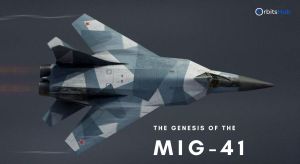
The pursuit of speed has always been a driving force in aviation, leading to the development of supersonic aircraft capable of traveling faster than the speed of sound. From military jets to the iconic Concorde, supersonic aircraft have revolutionized how we think about flight. But what makes these aircraft so unique? The technology behind supersonic flight is complex, involving advanced aerodynamics, cutting-edge materials, and innovative propulsion systems.
The Aerodynamics of Supersonic Flight
Understanding the Speed of Sound
Before diving into the specifics of supersonic technology, it’s essential to understand what supersonic means. At sea level, the speed of sound—sometimes called Mach 1—is about 767 miles per hour. When an aircraft exceeds this speed, it enters the supersonic regimen, and traveling at such high speeds presents unique aerodynamic challenges that require specialized solutions.
The Role of Shock Waves
One of the most significant challenges in supersonic flight is managing shock waves. When an aircraft surpasses the speed of sound, it generates shock waves that can lead to increased drag and structural stress. Engineers must carefully design the aircraft’s shape to minimize these effects, often utilizing a “wave rider” design to ride the shock waves more efficiently.
Swept Wings and Delta Wing Designs
The aircraft’s crucial role is in its ability to achieve and sustain supersonic speeds.” Tradition”l straight wings are unsuitable for supersonic flight due to the high drag they produce. Instaircraft’seers use swept wings and delta wing designs, which reduce drag and allow for better stability at high speeds. The delta wing, in particular, has become synonymous with supersonic aircraft, balancing lift and aerodynamic efficiency.
Propulsion Systems for Supersonic Flight
Turbojet Engines: The Power Behind Supersonic Speeds
At the heart of any supersonic aircraft is its propulsion system. Turbojet engines have been the standard for supersonic flight, providing the necessary thrust to propel the plane beyond Mach 1. These engines work by compressing air, mixing it with fuel, and igniting it to produce a high-speed exhaust that propels the aircraft forward.
Afterburners: Boosting Thrust
Many aircraft are equipped with afterburners to achieve and maintain supersonic speeds, which inject additional fuel into the jet exhaust to produce extra thrust. While afterburners are highly effective, they are also fuel-intensive, which has implications for the range and efficiency of supersonic aircraft.
The Emergence of Scramjets
The quest for more efficient supersonic propulsion has led to the development of scramjet engines designed to operate at hypersonic speeds (above Mach 5). Unlike traditional turbojets, scramjets have no moving parts and rely on the high speed of the incoming air to compress it before combustion. This technology holds promise for the future of supersonic and hypersonic flight, potentially enabling even faster travel with greater fuel efficiency.
Materials and Structural Design
Heat-Resistant Materials
Traveling at supersonic speeds generates immense heat due to air friction. Traditional aircraft materials like aluminum cannot withstand these temperatures, requiring specialized heat-resistant materials. In supersonic aircraft, titanium and advanced composites are commonly used to ensure structural integrity at high temperatures.
Lightweight Composites
In addition to being heat-resistant, the materials used in supersonic aircraft must also be lightweight to maximize efficiency. Carbon fiber composites have become a staple in modern aerospace design, offering a combination of strength, lightness, and resistance to thermal expansion. These materials are crucial for maintaining the delicate balance between speed, range, and fuel efficiency.
Structural Integrity and Stress Management
The structural design of supersonic aircraft must account for the increased stress and pressure associated with high-speed flight. Engineers use advanced computational modeling to predict and manage these stresses, ensuring that the aircraft can withstand the rigors of supersonic travel without compromising safety or performance.
The Challenges of Supersonic Flight
Sonic Booms: The Noise Problem
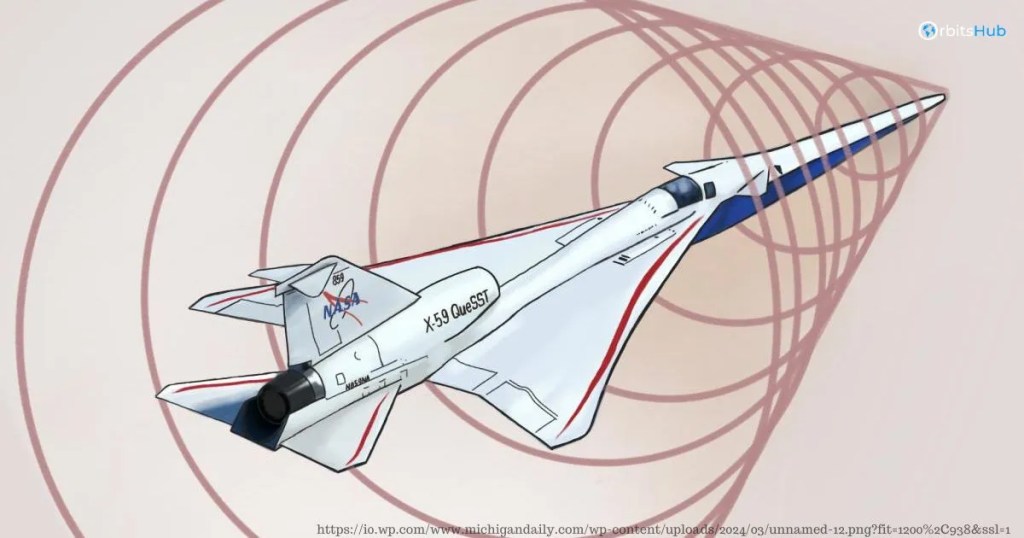
When an airplane exceeds the sound barrier, it makes a tremendous noise that sounds like thunder. This is known as the sonic boom, one of the biggest obstacles to supersonic flight. Sonic booms can be disruptive and are a significant reason why supersonic flights are often restricted over populated areas. Engineers are exploring ways to mitigate sonic booms, such as designing aircraft with “bottomless” technology that alters the shape of the shock waves.
Environmental Considerations
Supersonic flight is not just about speed; it also has environmental implications. Supersonic engines have sparked worries about their ecological impact due to high fuel consumption and emissions. As the aviation industry moves toward greener technologies, ongoing research is being done to develop more sustainable propulsion systems and materials for supersonic aircraft.
Economic Viability
While the technology for supersonic flight exists, making it economically viable is another matter. The costs of developing, producing, and operating supersonic aircraft are significant. Furthermore, the limited market for supersonic travel has made it challenging for companies to justify the investment. However, with technological advances and increasing demand for faster travel, the future of supersonic flight looks promising.
The Future of Supersonic Flight
Commercial Supersonic Travel
The dream of commercial supersonic travel is familiar, but it has faced numerous hurdles. The Concorde, the world’s first and only supersonic passenger jet, was retired in 2003 due to economic and environmental concerns. However, new players in the aviation industry are working to bring back supersonic dreamworld’s companies like Boom Supersonic are developing next-generation passenger jets that promise to be faster, quieter, and more efficient.
Military Applications
Supersonic technology continues to play a critical role in military aviation. The development of advanced fighter jets and reconnaissance aircraft has pushed the boundaries of what is possible, with some aircraft achieving speeds well beyond Mach 2. As military needs evolve, so will the technology behind supersonic aircraft, ensuring they remain at the forefront of defense capabilities.
Hypersonic Flight: The Next Frontier
While supersonic flight is impressive, the next frontier is hypersonic flight—traveling at speeds greater than Mach 5. Hypersonic technology is still in its early stages, but it has the potential to revolutionize both military and commercial aviation. The development of hypersonic missiles, spaceplanes, and passenger aircraft could one day make long-distance travel faster.
The technology behind supersonic aircraft is a marvel of modern engineering, combining advanced aerodynamics, robust propulsion systems, and cutting-edge materials to achieve speeds that were once thought impossible. While challenges remain—such as managing sonic booms, environmental impact, and economic viability—the future of supersonic flight is full of possibilities. As the aviation industry continues to innovate, we may soon see the return of commercial supersonic travel and new advancements in military and hypersonic technologies.
For those interested in exploring the world of advanced aerospace technology, Orbitshub offers consultancy services tailored to the maritime and aviation industries. Whether you’re looking to stay ahead in the competitive world of aviation or explore new opportunities in supersonic travel, Orbitshub has the expertise to help you navigate the future.