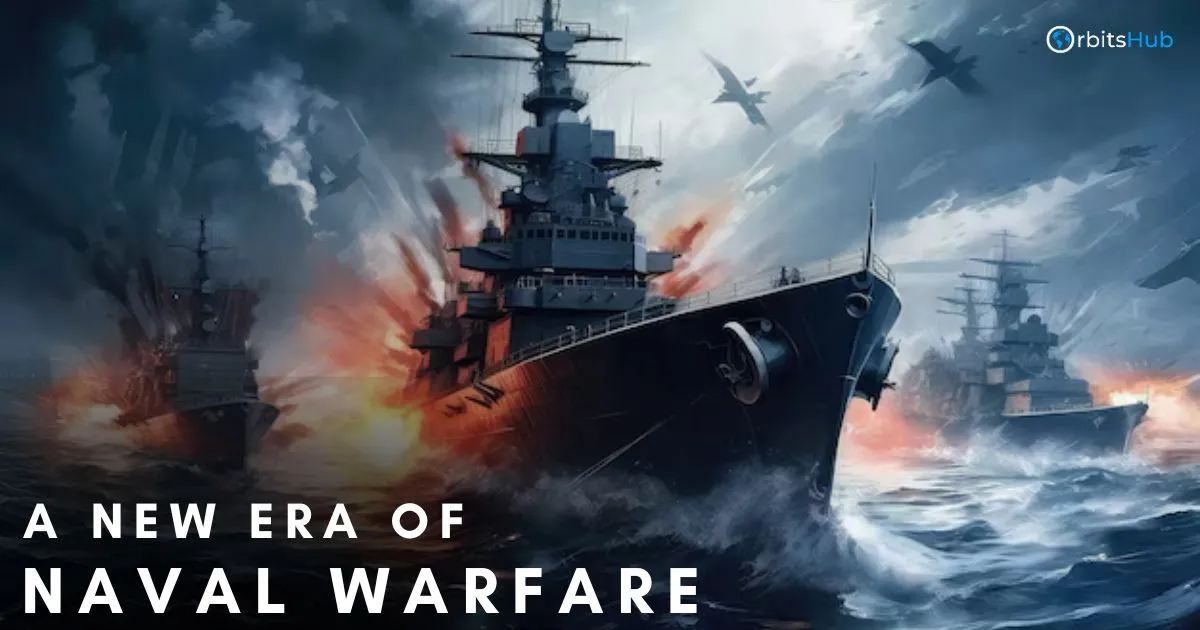
The dawn of the steam age revolutionized naval warfare, marking a significant shift from traditional sail-powered vessels to steam-powered ships. This transformation altered the design and capabilities of warships and reshaped naval tactics and strategies, leading to a new era in maritime combat. As nations raced to modernize their fleets, the Age of Steam emerged as a pivotal period in the history of naval warfare, laying the groundwork for the powerful navies we recognize today.
The Evolution of Naval Warfare: From Sail to Steam
Before the steam age, naval warfare was dominated by wind-powered ships, which relied heavily on sails for propulsion. While formidable in their own right, these ships were limited by wind conditions, making their speed and maneuverability unpredictable. The introduction of steam engines in the early 19th century changed this dynamic dramatically.
The Rise of Steam-Powered Vessels
The first steam-powered warships, such as the French paddle steamer Sphinx and the British HMS Nemesis, showcased the potential of steam propulsion in naval combat. Unlike their sail-powered counterparts, steamships were not at the mercy of the wind. They could maintain a consistent speed, maneuver with greater precision, and operate in various weather conditions, giving them a significant tactical advantage.
Impact on Ship Design
The shift to steam power also led to innovations in ship design. Warships began to feature armored hulls to withstand enemy fire, and the inclusion of heavy artillery became more practical due to the increased stability provided by steam engines. The iconic ironclad warships, such as the USS Monitor and the CSS Virginia during the American Civil War, epitomized this new era of naval engineering.
Technological Advancements in Steam-Powered Naval Warfare
As steam technology evolved, so did the capabilities of naval fleets. The mid-19th century saw rapid advancements in steam engine efficiency, armament, and shipbuilding materials, all of which contributed to naval forces’ enhanced power and effectiveness.
Advancements in Steam Engines
The early steam engines could have been more efficient, requiring vast amounts of coal to produce limited power. However, by the latter half of the 19th century, engineers had developed more efficient engines, such as the triple-expansion steam engine. These engines reduced fuel consumption and increased the range and speed of warships, allowing them to undertake more extended missions without needing constant refueling.
Armament and Firepower
The development of steam-powered warships also brought about a revolution in naval armament. The transition from smoothbore cannons to rifled artillery significantly increased the accuracy and range of naval guns. Additionally, the introduction of turret-mounted guns allowed ships to fire in multiple directions without repositioning, an impossible feature on sail-powered vessels.
Materials and Construction
Steam-powered warships benefited from advancements in metallurgy and shipbuilding techniques. Iron and later steel became the primary materials for constructing warships, replacing the traditional wooden hulls. This shift provided better protection against enemy fire and allowed for the construction of larger and more powerful vessels.
Strategic Shifts in Naval Warfare During the Steam Age
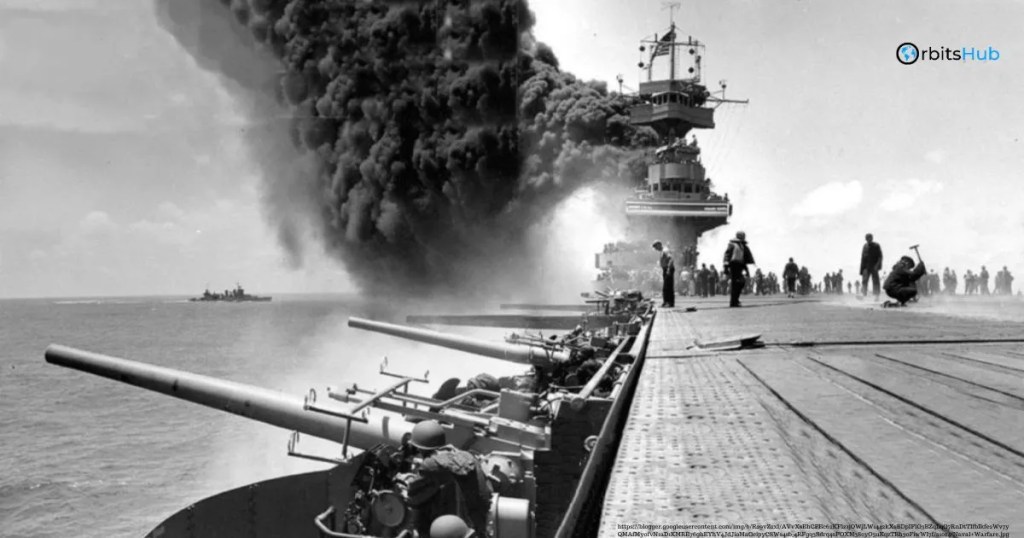
The advent of steam-powered ships profoundly impacted naval strategies and tactics. The ability to maneuver independently of the wind and maintain higher speeds allowed for more dynamic and aggressive combat strategies.
The Decline of Blockades and the Rise of Naval Offensives
Before the steam age, naval blockades were a common strategy, with fleets positioning themselves to cut off enemy ports. However, the mobility of steam engines made blockades less effective, as ships could more easily evade or break through them. Instead, navies began to focus on offensive strategies, using their newfound speed and firepower to launch surprise attacks and engage enemy fleets more directly.
Global Naval Reach
Steam power extended the operational range of navies, allowing them to project power far beyond their shores. This global reach was crucial in expanding colonial empires during the 19th century, as European powers used their steam-powered fleets to dominate distant territories and secure vital trade routes.
The Emergence of Naval Doctrines
The Steam Age also introduced new naval doctrines emphasizing speed, firepower, and technological superiority. The concept of the “fleet in being” emerged during this period, where the mere presence of a powerful steam-powered fleet could deter enemy action, even without engaging in battle. This doctrine underscored the importance of maintaining a modern and capable navy to deter potential adversaries.
The Role of Steam in Major Naval Conflicts
The impact of steam power on naval warfare was most evident during the significant conflicts of the 19th and early 20th centuries. These wars demonstrated the effectiveness of steam-powered fleets and solidified their dominance in maritime combat.
The Crimean War (1853-1856)
The Crimean War was one of the first significant conflicts where steam-powered warships played a crucial role. The British and French fleets, equipped with steam-powered ships, could project power into the Black Sea, conducting amphibious assaults and bombarding coastal fortifications with unprecedented effectiveness.
The American Civil War (1861-1865)
The American Civil War further showcased the capabilities of steam-powered warships. The iconic clash between the ironclad USS Monitor and CSS Virginia was a watershed moment in naval history, proving that wooden warships were no match for the mighty steam-powered, armored ironclads.
The Russo-Japanese War (1904-1905)
The Russo-Japanese War was another significant conflict in which steam-powered fleets played a decisive role. The Japanese Navy, equipped with modern steam-powered warships, defeated the Russian fleet in a series of engagements, culminating in the Battle of Tsushima.
Legacy and Impact of the Steam Age on Modern Navies
The Steam Age laid the foundation for the modern navies we see today. The technological advancements and strategic shifts during this period continue to influence naval warfare in the 21st century.
Technological Foundations
Many technological innovations developed during the steam age, such as armored hulls, rifled artillery, and turret-mounted guns, remain integral components of modern warships.
Strategic Doctrine and Naval Tactics
The strategic doctrines that emerged during the steam age, particularly the emphasis on speed, firepower, and technological superiority, remain central to naval warfare today.
Global Influence and Naval Power
The steam age also began the global naval arms race, with nations competing to build the most advanced and powerful fleets. This competition continues today. Modern navies strive to maintain technological superiority. They ensure their ability to operate effectively in any region.
The Age of Steam was a transformative period in the history of naval warfare. It ushered in a new era of technological innovation. It was also a time of strategic evolution. Global maritime power saw significant growth during this period. The advancements made during this time laid the foundation for the modern navies we see today and continue to influence the development of naval warfare in the 21st century.
If you’re interested in learning more about the impact of technological advancements on naval warfare or exploring how maritime services can support your operations, consider reaching out to Orbitshub, a leading maritime services company. If you want to succeed in today’s complex marine environment, where everything changes, you need their help.