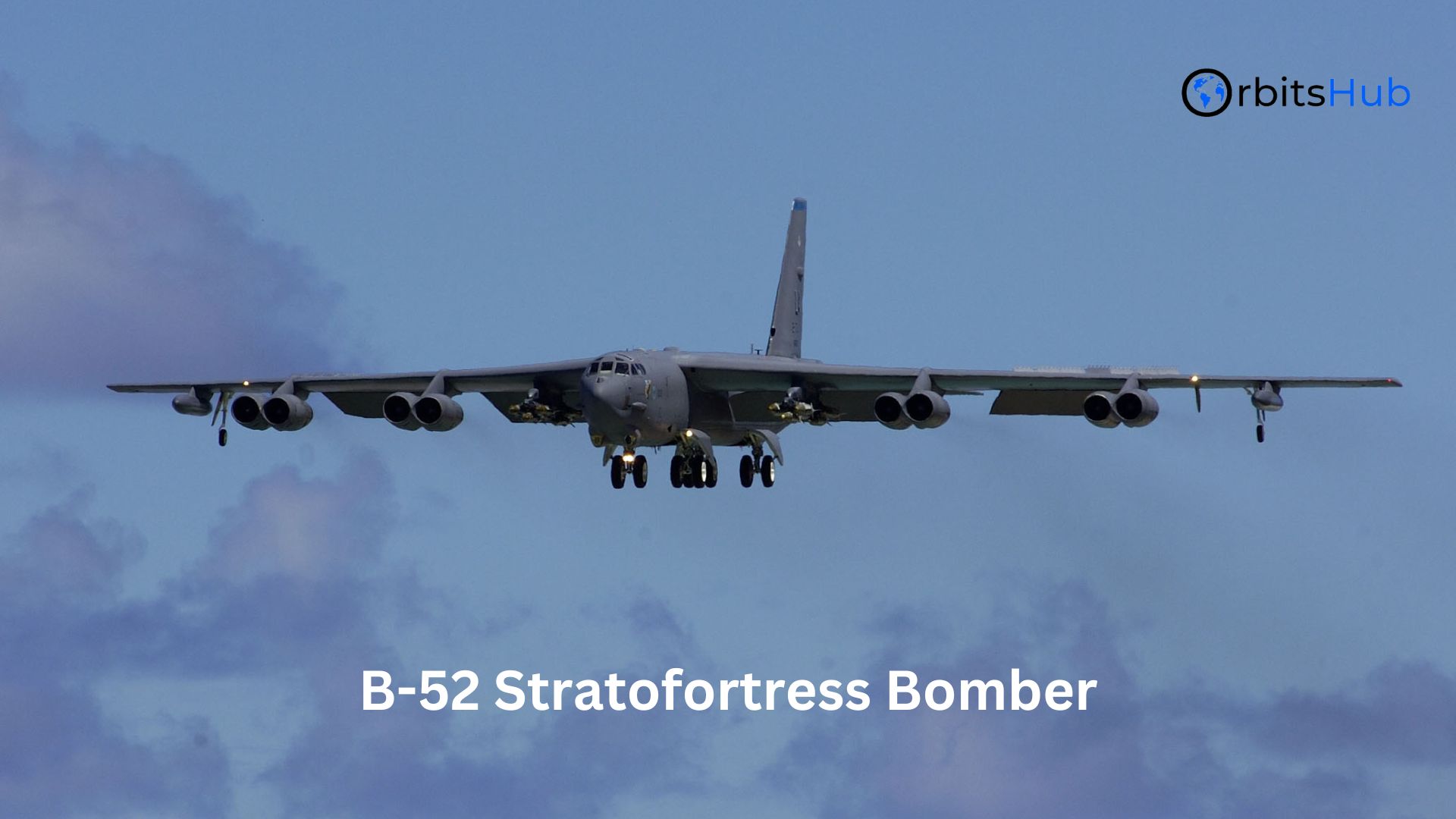
The B-52 Stratofortress bomber is a legendary aircraft that has served as a mainstay of the United States Air Force (USAF) for over six decades. Renowned for its immense size, long-range, and influential payload capacity, the B-52 has been critical in numerous conflicts throughout history. This iconic bomber remains a vital part of the USAF’s strategic arsenal, even as it undergoes modernization programs to stay relevant in the ever-evolving warfare landscape.
A Colossus Takes Flight: The History of the B-52
Amid the Cold War, when American and Soviet geopolitical tensions were at an all-time high, the B-52’s history began. The United States Air Force saw the necessity for a heavy bomber with long-range capabilities that could penetrate enemy territory with nuclear bombs. In response, Boeing unveiled the B-52 Stratofortress in 1952.
Design and Development
The B-52 boasts a distinctive eight-engine configuration, providing exceptional range and endurance. Its swept wings enhance aerodynamic efficiency for high-altitude operations. The massive bomb bay can accommodate a variety of conventional and nuclear weapons, making it a truly versatile platform. The initial B-52 variants were designed primarily for nuclear deterrence during the Cold War. Over the years, the B-52 has undergone numerous upgrades and modifications. These advancements have expanded its capabilities beyond nuclear deterrence, allowing it to perform conventional bombing missions, electronic warfare, and reconnaissance. The B-52’s adaptability has been a critical factor in its enduring relevance.
Service History
The B-52 has seen action in several conflicts, including the Vietnam War, Operation Desert Storm, the Afghanistan War, and the Iraq War. Its long range and heavy payload capacity proved invaluable in striking targets deep within enemy territory. The B-52 remains a critical asset for the USAF, with ongoing deployments worldwide.
Anatomy of a Legend: Understanding the B-52’s Features
The B-52 Stratofortress bomber impressive capabilities stem from its unique design and advanced systems. Let’s delve deeper into some key features that make this bomber a force to be reckoned with.
Propulsion System
The B-52 is powered by eight Pratt & Whitney TF33 turbofan engines, each generating over 17,000 pounds of thrust. This immense power allows the bomber to achieve high speeds and maintain flight for extended periods. The eight-engine configuration provides redundancy, ensuring the aircraft can remain operational even if one or more engines malfunction.
Weapons Systems
The B-52’s true might lies in its extensive weapons capacity. Its cavernous bomb bay can accommodate various conventional and nuclear weapons, including precision-guided munitions, gravity bombs, cruise missiles, and even landmines. The B-52’s ability to carry a diverse arsenal makes it adaptable to various mission requirements.
Avionics and Navigation
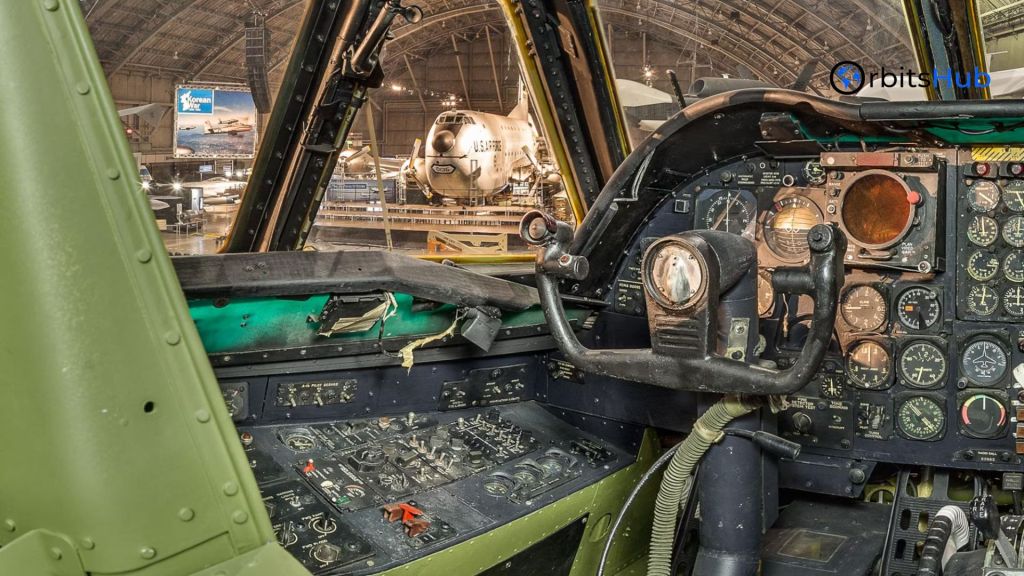
The B-52 has sophisticated avionics and navigation systems that enable it to operate effectively in all weather conditions. These systems include advanced radar, communication equipment, and a digital navigation suite. The B-52’s ability to navigate precisely over long distances is crucial for successful mission execution.
The Future of the Stratofortress: Modernization and Beyond

Despite its age, the B-52 remains vital to the USAF’s strategic arsenal. The bomber is undergoing a comprehensive modernization program designed to extend its operational life well into the 21st century. These upgrades include new engines, avionics, and weapons systems. The B-52’s enduring relevance can be attributed to several factors. Its long range, immense payload capacity, and adaptability to various missions make it a valuable asset in today’s complex security environment. The ongoing modernization programs ensure that the B-52 will remain a potent force for decades.
The B-52 Stratofortress bomber is a testament to American engineering ingenuity and strategic vision. It has been a cornerstone of US airpower for over six decades and is critical in numerous conflicts. As the jet-powered bomber continues to evolve and adapt, it remains a symbol of American military might on the global stage.
OrbitsHub, a leading maritime and aviation consultancy services company, can help you navigate the complexities of these dynamic sectors. Explore OrbitsHub to learn more about their services and how they can assist you in achieving your professional goals in the maritime or aviation industry.