

The De Havilland Canada DHC-6 Twin Otter, affectionately known as the “Twin Otter,” has long been a staple in aviation since its introduction in the 1960s. Known for its versatility, durability, and reliability, the Twin Otter has found a niche in various sectors, from commercial aviation to military operations. The DHC-6 proves its worth in the modern era, adapting to contemporary needs and technologies. This will explore the DHC-6 Twin Otter’s current relevance, technological advancements, and its enduring impact on aviation.
The Legacy of the DHC-6 Twin Otter
Historical Significance
De Havilland Canada designed the DHC-6 Twin Otter in the early 1960s as a rugged, short takeoff and landing (STOL) aircraft. Its design allowed it to operate in harsh environments, from tropical rainforests to Arctic tundra. This versatility made it popular among commercial operators, research institutions, and military organizations.
Key Features
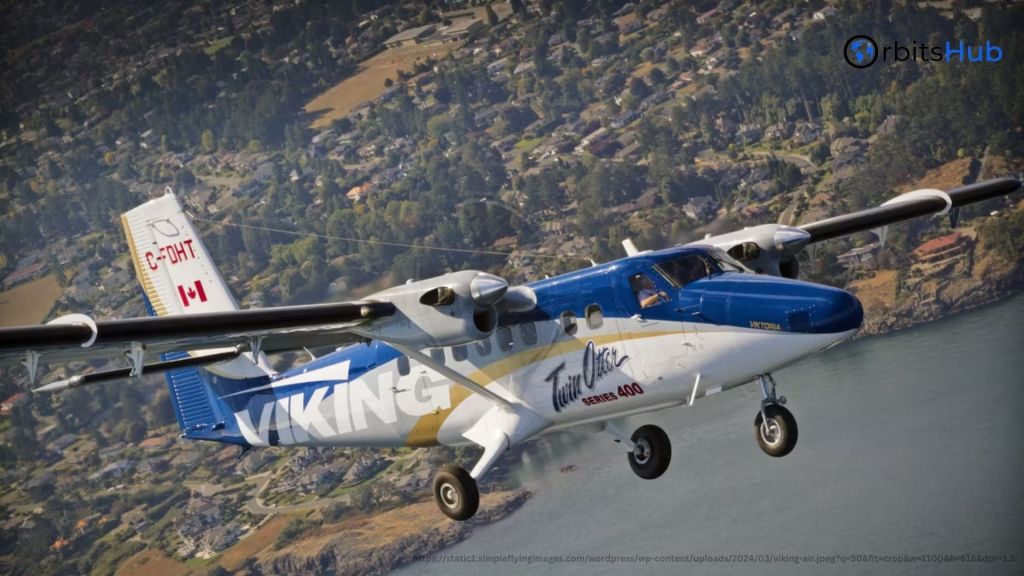
The Twin Otter is characterized by its high-wing design, twin turboprop engines, and fixed tricycle landing gear. Its STOL capabilities enable it to take off and land on short, unprepared airstrips, making it ideal for remote and challenging locations.
Global Reach
Over the decades, the DHC-6 has been used globally for various purposes. It has served as a commuter airliner, cargo transport, medical evacuation aircraft, and skydiving platform. It is widely recognized as a dependable and adaptable aircraft due to its ability to fly in various environments.
Technological Advancements
Modern Upgrades
To stay up with technology improvements in the present day, the DHC-6 Twin Otter has been heavily upgraded. Viking Air, the current manufacturer, has introduced the Series 400, which features modern avionics, improved performance, and increased passenger comfort.
Avionics
The Series 400 has state-of-the-art avionics, including a fully integrated digital cockpit. This includes advanced navigation systems, digital autopilot, and enhanced weather radar, providing pilots better situational awareness and flight control.
Performance Enhancements
Performance upgrades include more powerful Pratt & Whitney PT6A-34 engines, offering better fuel efficiency and increased payload capacity. These enhancements allow the Twin Otter to perform more efficiently in demanding conditions, further expanding its operational capabilities.
Passenger Comfort
The Series 400 also focuses on passenger comfort, with improved seating, noise reduction measures, and climate control systems. These upgrades make the aircraft more appealing for commercial passenger services, enhancing the overall travel experience.
Environmental Impact
In response to growing environmental concerns, the DHC-6 Twin Otter has also seen efforts to reduce its carbon footprint. Modern engines are more fuel-efficient, and there is ongoing research into sustainable aviation fuels (SAF) and hybrid-electric propulsion systems. These initiatives aim to make the Twin Otter an eco-friendlier option for operators worldwide.
The DHC-6 in Commercial Aviation
Regional Connectivity
One of the Twin Otter’s primary roles in the modern era is enhancing regional connectivity. Its STOL capabilities allow it to serve remote areas with limited infrastructure, providing essential air links for communities that would otherwise be isolate.
Case Study: Maldives
In the Maldives, the Twin Otter is the backbone of the domestic airline industry. It operates seaplane services, connecting tourists to luxury resorts on remote islands. The aircraft’s ability to land on water and short airstrips makes it perfect for this role, supporting the country’s tourism-driven economy.
Commuter and Cargo Services
Many people use the Twin Otter for their commutes and cargo needs. Because of its adaptability, it can carry people and commodities to otherwise inaccessible areas.
Example: Air Inuit
Air Inuit, a Canadian airline, utilizes the Twin Otter for passenger and cargo services in northern Quebec. The aircraft’s reliability and performance in extreme weather conditions are crucial for maintaining vital connections in this remote region.
Military and Government Applications: DHC-6 Twin Otter
Search and Rescue
Military and government agencies widely use the DHC-6 Twin Otter for search and rescue (SAR) operations. Its STOL capabilities and rugged design enable it to operate in challenging terrains, making it an invaluable asset in emergencies.
Case Study: Royal Canadian Air Force
The Twin Otter is a search and rescue plane used by the Royal Canadian Air Force (RCAF) in the Arctic and other faraway places. Its ability to land on ice, snow, and rough terrain allows the RCAF to conduct effective search and rescue operations in some of the world’s most inhospitable environments.
Surveillance and Patrol
In addition to SAR, the Twin Otter is used for surveillance and patrol missions. Its versatility and endurance suit maritime patrol, border surveillance, and environmental monitoring.
Example: Indian Coast Guard
The Indian Coast Guard operates the Twin Otter for coastal surveillance and patrol missions. The aircraft’s ability to take off and land on short airstrips and its endurance makes it ideal for monitoring India’s extensive coastline.
Innovations and Future Prospects: DHC-6 Twin Otter
Hybrid and Electric Propulsion
Looking to the future, there is significant interest in developing hybrid and electric propulsion systems for the DHC-6 Twin Otter. These technologies promise to reduce operating costs and environmental impact, making the aircraft more sustainable and economically viable.
Ongoing Research
Several companies and research institutions are working on hybrid-electric propulsion solutions for the Twin Otter. These efforts aim to integrate electric motors with traditional turboprop engines, providing a greener alternative for operators.
Advanced Materials
Another area where innovation has been made is in the use of sophisticate materials in the manufacturing of aircraft. Lighter, more durable materials can improve the Twin Otter’s performance and efficiency, extending its operational life and reducing maintenance costs.
Example: Composite Materials
Composite materials in the airframe can reduce the aircraft’s weight, improving fuel efficiency and payload capacity. These materials also offer better resistance to corrosion and fatigue, enhancing the Twin Otter’s durability.
Since its creation, the DHC-6 Twin Otter has undergone substantial evolution, meeting the demands of the present period while maintaining its fundamental qualities of adaptability, resilience, and dependability. With ongoing technological advancements and innovations, the Twin Otter continues to be a valuable asset in commercial aviation, military operations, and beyond. Its ability to operate in diverse and challenging environments ensures that it remains relevant and indispensable in the aviation industry.
As the world moves towards more sustainable and efficient aviation solutions, the DHC-6 Twin Otter is poised to embrace these changes, maintaining its position as a trust and versatile aircraft. Explore more about the DHC-6 Twin Otter and other aviation insights at Orbitshub.


