Air-to-air refueling, also known as aerial refueling or in-flight refueling, has revolutionized aviation by allowing aircraft to remain airborne for extended periods. This remarkable capability has transformed military operations and increased combat aircraft’s range, flexibility, and effectiveness. This all-inclusive book will go into the history of air-to-air refueling, its methods, significance, impact on present military operations, and the various ways it has evolved.
The Origins of Aerial Refueling
Air-to-air refueling was first explored in the early 20th century as aviation technology advanced. The need for longer flight durations and increased range prompted pioneers to seek innovative solutions. 1923, the first successful aerial refueling took place, marking a significant milestone in aviation history. Army Air Service pilots developed a system for mid-air refueling between DH-4B airplanes, eliminating the fuel limitation problem that hindered longer flights.
The Process of Air-to-Air Refueling
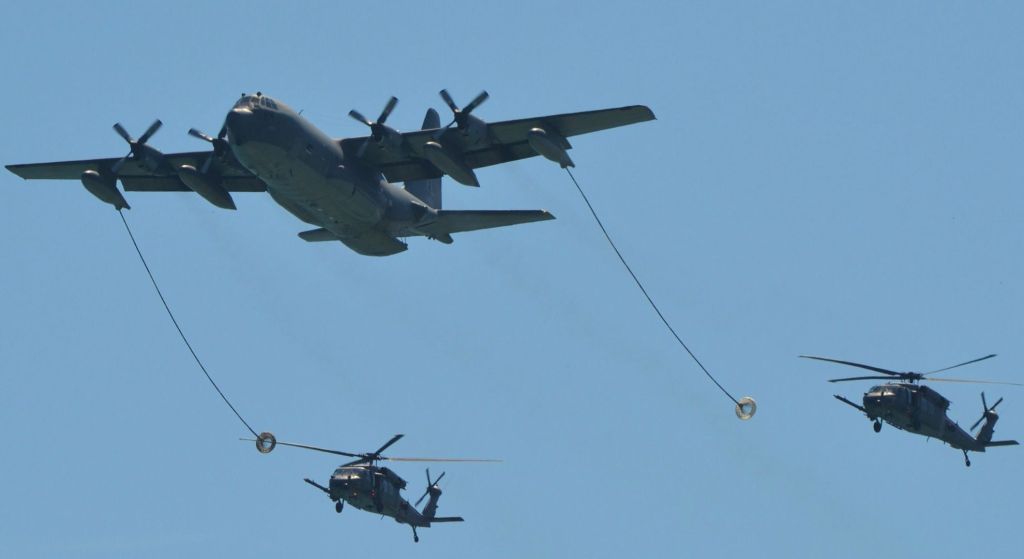
Air-to-air refueling is a complex and precise operation that requires coordination, skill, and advanced equipment. The process involves transferring aviation fuel from a tanker aircraft to a receiving aircraft mid-flight. Two primary methods are employed in air-to-air refueling: the “probe-and-drogue” system and the flying boom system.
The Probe-and-Drogue System
In the probe-and-drogue system, the tanker aircraft deploys a long hose with a funnel-shaped drogue at the end. The receiving aircraft, equipped with a probe, maneuvers to connect with the drogue. This delicate operation requires the receiver pilot to carefully align the probe with the drogue at the right speed to ensure a successful connection. Moving too slowly or quickly can result in a failed connection or damage to the hose.
The Flying Boom System
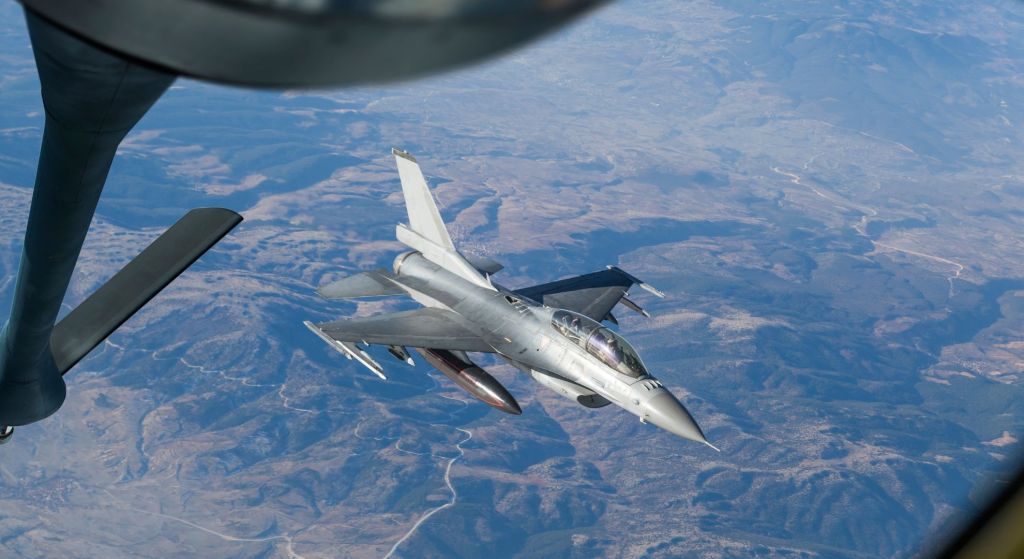
The flying boom system involves a rigid tube, known as the boom, which extends from the tanker aircraft. A dedicated operator controls the boom and guides it into a receptacle on the receiving aircraft. This system allows faster fuel transfer than the probe-and-drogue method, enabling the tanker to pump fuel at 6,000 pounds per minute.
Advancements in Refueling Technologies
This section explores the latest innovations in air-to-air refuelling systems, including automated boom systems, advanced drogue designs, and improved fuel transfer technologies. It delves into how these advancements enhance efficiency, safety, and reliability during in-flight refuelling operations.
Strategic Implications and Global Reach
Examining the strategic implications of air-to-air refuelling regarding global power projection, expeditionary operations, and continuous airborne presence. Discussing how this capability shapes military strategies, enables rapid response times, and extends the reach of air forces worldwide.
Advantages and Significance of Air-to-Air Refueling
Air-to-air refueling offers numerous advantages and has played a critical role in military operations worldwide. Here are some key benefits:
- Extended Range and Endurance: Air-to-air refueling allows aircraft to cover vast distances and stay aloft for extended periods, enabling strategic missions and reducing the need for frequent landings.
- Flexibility and Rapid Deployment: With the ability to refuel in-flight, aircraft can be rapidly deployed to remote locations, ensuring quick response times for various operations, including combat, humanitarian relief, and surveillance.
- Increased Payload Capacity: Refueling in-flight allows aircraft to carry heavier payloads by reducing the fuel required for long-distance flights. This enables the transportation of more personnel, equipment, and supplies.
- Training and Readiness: Air-to-air refueling plays a crucial role in training exercises, allowing pilots to practice refueling procedures and enhancing their skills. It also ensures that aircraft are ready for combat operations at any time.
Historical Milestones in Air-to-Air Refueling
Over the decades, air-to-air refueling has witnessed several significant milestones and technological advancements. Let’s explore some of the critical moments in the evolution of this groundbreaking capability:
1923: The First Successful Aerial Refueling
In 1923, the first successful aerial refueling took place, demonstrating the feasibility of mid-air refueling. Army Air Service pilots achieved this milestone by developing a system for refueling between DH-4B airplanes. This breakthrough opened new possibilities for aviation and paved the way for future advancements.
1930s: Introduction of the Loop Hose and Drogue System
In the 1930s, the loop hose and drogue system emerged as a more efficient method for aerial refueling. This system utilized a flexible hose and drogue cone, allowing for easier and more reliable connections between the tanker and receiver aircraft.
1950s: Introduction of the Flying Boom System
The 1950s marked a significant advancement in air-to-air refueling technology with the introduction of the flying boom system. The flying boom, a rigid tube with movable controls, improved fuel transfer rates and enhanced stability during the refueling process. This system became the preferred method for large aircraft, such as strategic bombers and cargo planes.
1990s: Automated Boom Systems
In the 1990s, automated boom systems were introduced, further streamlining refueling. These systems incorporated advanced technologies, such as sensors and computer controls, to improve accuracy and efficiency during fuel transfer.
Present Day: Advancements in Probe-and-Drogue Systems
The probe-and-drogue system has also seen significant advancements in recent years. Modern drogue systems incorporate active stabilization and improved hose design, ensuring safer and more reliable connections between tanker and receiver aircraft.
The Role of Air-to-Air Refueling in Modern Military Operations
Air-to-air refueling plays a vital role in modern military operations, providing essential capabilities and enhancing the effectiveness of combat aircraft. Here are some critical aspects of its significance:
Extended Reach and Global Power Projection
Air-to-air refueling enables long-range missions and global power projection by extending the aircraft’s operational range. This capability allows military forces to project their power across vast distances, providing strategic advantages in various operational scenarios.
Expeditionary Operations and Rapid Response
Air-to-air refueling is crucial for expeditionary operations, allowing forces to deploy and sustain operations in remote or austere environments rapidly. It ensures quick response times for humanitarian assistance, disaster relief, and military interventions.
Continuous Airborne Presence
Aircraft refueled in-flight can maintain a continuous airborne presence, offering persistent surveillance, intelligence gathering, and rapid strike capabilities. This capability is precious in monitoring hostile regions and responding to emerging threats.
Force Multiplier and Tactical Flexibility
Air-to-air refueling serves as a force multiplier, enabling a more efficient use of available resources. By reducing the need for landings and maximizing flight time, aircraft can execute complex missions, engage in aerial combat, and carry out long-duration patrols.
The Future of Air-to-Air Refueling

As technology advances, the future of air-to-air refueling holds exciting possibilities. Here are some areas of development and innovation to watch for:
Autonomous Refueling Systems
Combining autonomous systems with artificial intelligence could facilitate the creation of uncrewed refueling aircraft. By enhancing efficiency and decreasing operator risk, these autonomous platforms have the potential to transform aerial refueling.
Enhanced Fuel Transfer Technologies
Improving fuel transfer technology is the goal of ongoing research and development to make refueling procedures faster and more efficient. Advancements in fuel flow rates, nozzle design, and fuel management systems can enhance the overall effectiveness of air-to-air refueling.
Integration with Unmanned Aerial Vehicles (UAVs)
Integrating air-to-air refueling capabilities with uncrewed aerial vehicles (UAVs) could extend these unmanned platforms’ operational range and endurance. This integration could enable long-range surveillance, intelligence gathering, and support for various mission types.
Air-to-air refueling has revolutionized aviation and transformed military operations by extending combat aircraft’s range, endurance, and flexibility. From the early experiments in the 1920s to the advanced systems used today, aerial refueling has become indispensable in modern warfare. The future of air-to-air refueling is bright, thanks to constantly improving technology that might open up new operational possibilities and make militaries worldwide more effective.
FAQ’s
1. What is air-to-air refueling?
A military aircraft (the tanker) transfers aviation fuel to another (the receiver) while in flight; this process is known as aerial or in-flight refueling. This enables aircraft to extend their operational range, endurance, and mission capabilities without the need to land.
2. How does air-to-air refueling work?
Air-to-air refueling involves a complex maneuver where the tanker aircraft extends a hose and drogue or a boom-equipped receptacle to connect with the receiver aircraft. Fuel is transferred from the tanker to the receiver through a hose or boom, allowing the receiver to refuel while in flight.