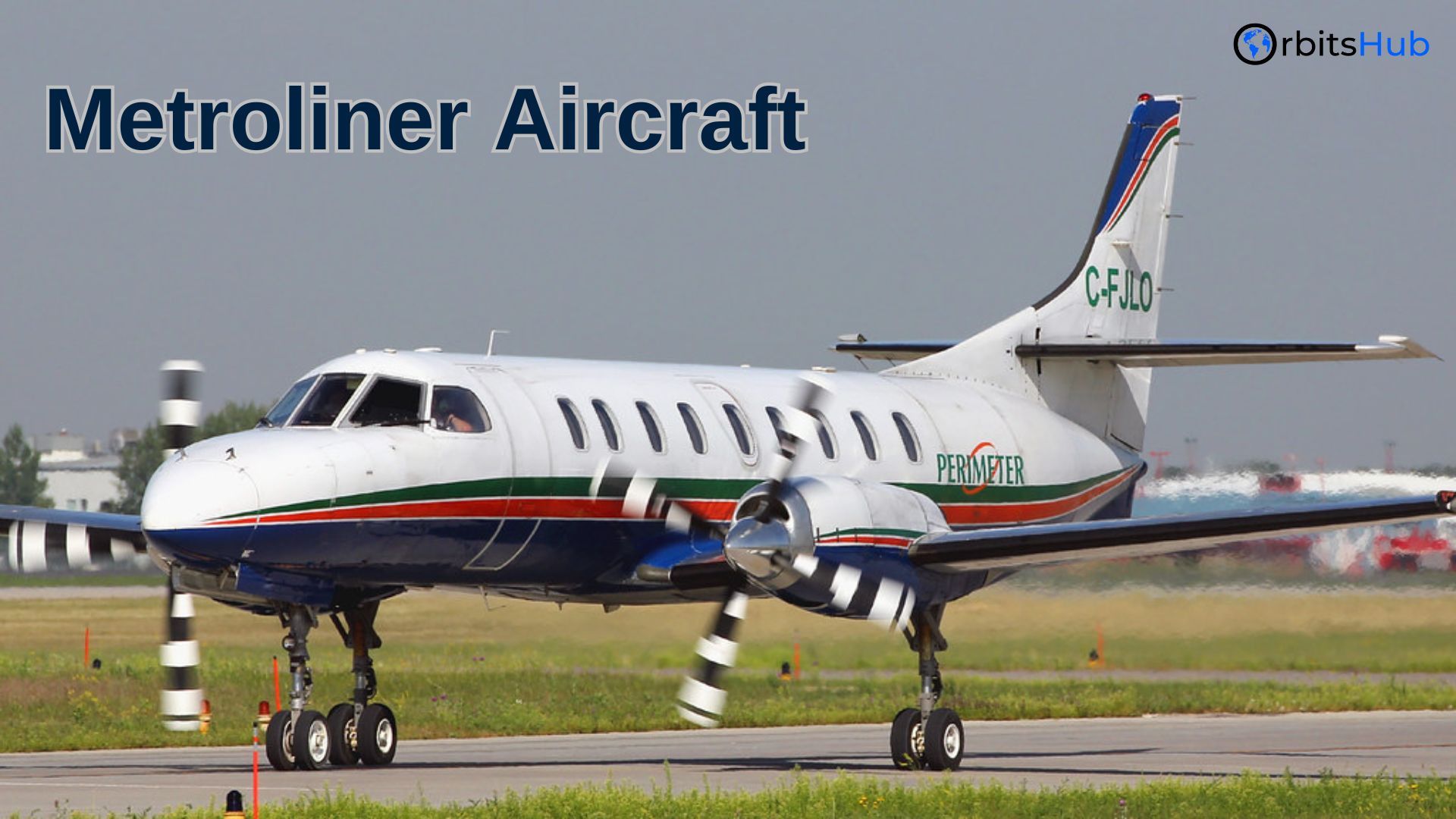
Aviation has alternated between innovation and legacy. Aeroplanes have evolved from the Wright brothers’ propeller-driven aspirations to supersonic jets soaring over continents to meet travel’s shifting needs. The Metroliner aircraft is essential in this story. We’ll examine the early turboprop variations that transformed regional travel, the Metroliner’s improvements, and how its legacy defines regional air connectivity. So saddle up for a thrilling journey through the Metroliner’s remarkable story!
Pioneering Commuter Flights: The Early Metroliners (1960s-1970s)
The 1960s saw a surge in demand for short-haul regional air travel. Airlines needed efficient and reliable aircraft to connect more miniature cities and major hubs. This gap in the market was filled by the introduction of the first Metroliners in the late 1960s.
The Fairchild Hiller FH-227
The first of the Metroliner family was the Fairchild Hiller FH-227. This turboprop aircraft, powered by two Rolls-Royce Dart engines, offered a comfortable cabin for up to 56 passengers. The FH-227 quickly gained popularity with its smooth operation, good range, and fuel efficiency – perfect for regional routes.
The Swearingen Metroliner 200
Following the success of the FH-227, Swearingen Aircraft (later acquired by Fairchild) introduced the Metroliner 200 in the mid-1960s. This improved version boasted a more powerful engine, a longer fuselage for increased passenger capacity (up to 60), and better overall performance. The Metroliner 200 became a workhorse for regional airlines worldwide, establishing the Metroliner name as a symbol of reliable short-haul travel.
Innovation Takes Flight: The Metroliner Advancements (1980s-1990s)

Aircraft technology made great strides in the ’80s and ’90s. Metroliner aircraft manufacturers accepted these advancements to improve their aircraft further.
The Fairchild Metro III
The 1980s saw the arrival of the Fairchild Metro III. This variant incorporated turbofan engines, offering increased fuel efficiency and improved performance compared to its turboprop predecessors. The Metro III also featured an upgraded avionics suite, enhancing safety and operational capabilities.
The emergence of turboprop competitors ATR and Saab
During this period, the Metroliner faced competition from new players like ATR and Saab, who introduced modern turboprop aircraft with advanced features. This competition spurred further innovation in the Metroliner line.
The Metroliner Legacy and Beyond (2000s-Present)
While the production of new Metroliners ceased in the early 2000s, these remarkable aircraft continue operating worldwide. Many have undergone extensive upgrades and modifications to meet modern safety standards and offer improved passenger comfort.
The Metroliner’s legacy lies in its pivotal role in pioneering short-haul regional air travel. It paved the way for developing modern regional jets and turboprops that continue to connect communities worldwide.
Diversifying the Fleet: Military Applications of the Metroliner
The Metroliner’s versatility extended beyond commercial passenger travel. Recognizing its capabilities, the US military adopted a variant of the Fairchild C-26 Metroliner. This military version served various purposes, including:
- Cargo and troop transport: The C-26 offered a reliable and efficient platform for transporting cargo and personnel to remote locations.
- Medical evacuation: The spacious cabin could be reconfigured for medical evacuation duties, enabling swift medical assistance in critical situations.
- Special operations: The C-26’s adaptability suits various special operations missions requiring a discreet and agile aircraft.
The Future of Regional Aviation: Beyond the Metroliner
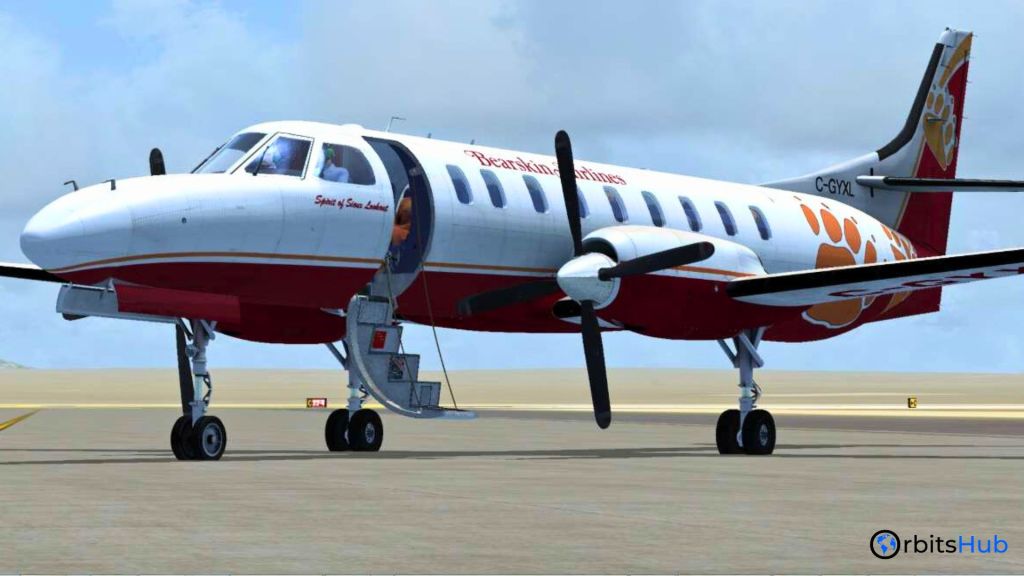
While the Metroliner era has drawn to a close, its legacy continues to influence the development of modern regional aircraft. Here, you can discuss:
- The rise of regional jets: With advancements in engine technology, regional jets offering faster speeds and larger passenger capacities emerged as successors to turboprop aircraft like the Metroliner.
- Focus on fuel efficiency and environmental impact: Modern regional aircraft prioritize fuel efficiency and reduced emissions, contributing to a more sustainable aviation industry.
- Technological advancements: Avionics, navigation systems, and passenger amenities have significantly improved, enhancing safety, comfort, and operational efficiency in regional travel.
The Metroliner story is a testament to the continuous evolution of aviation technology. From the early turboprops to the later turbofan variants, Metroliners have played a vital role in making regional air travel accessible and efficient. While newer, more advanced aircraft dominate the skies today, the Metroliner’s legacy inspires further advancements in regional air connectivity.
At OrbitsHub, we are a leading maritime and aviation consultancy services company. We provide market research, fleet planning, regulatory compliance, and route optimization to aviation companies. If you want to explore new opportunities in the ever-evolving world of aviation, contact OrbitsHub today and let our experts guide you towards a successful future.