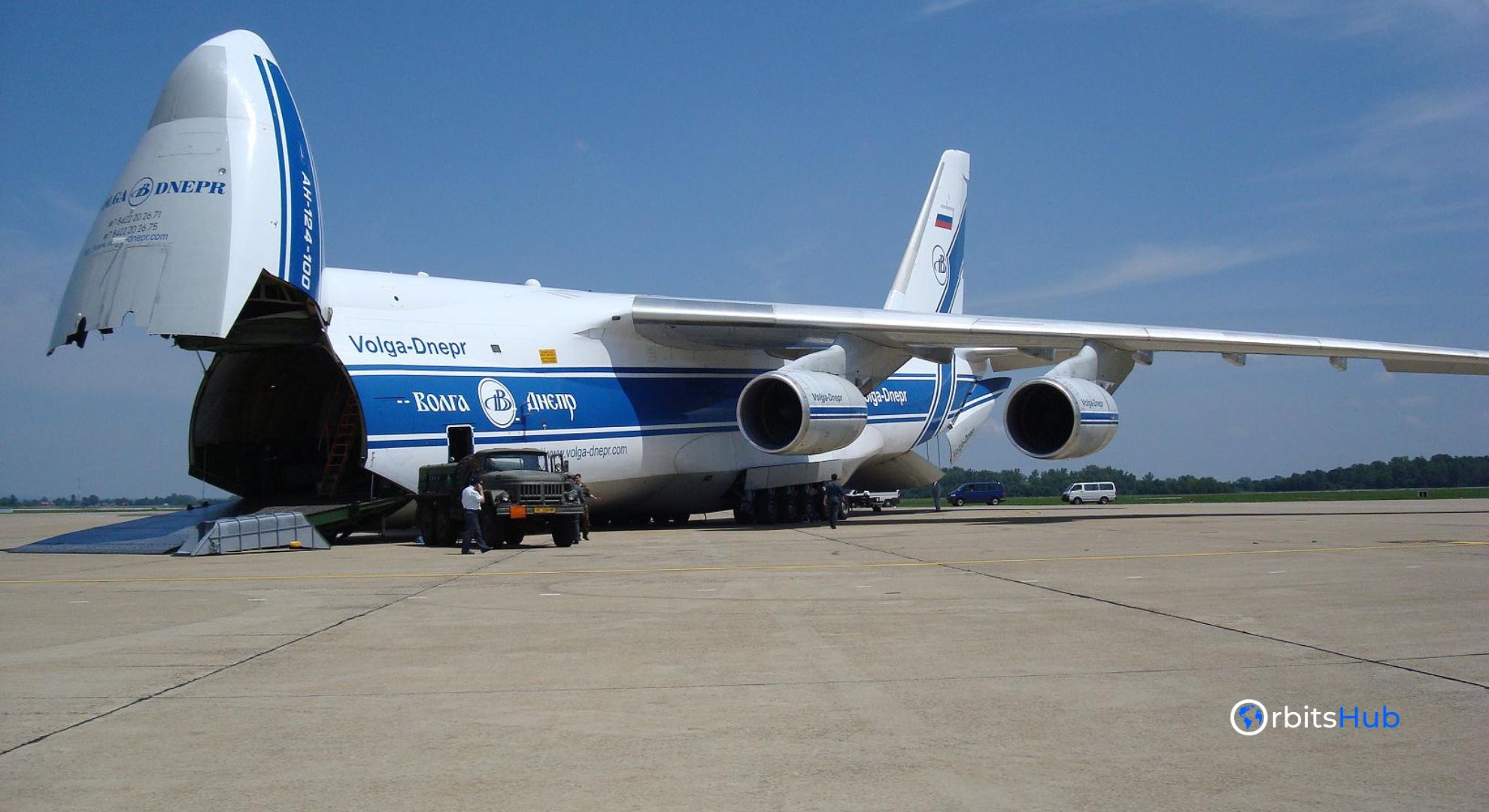
The global air cargo industry is experiencing a boom. Driven by the surge of e-commerce, the need for efficient supply chains, and the recent emphasis on faster deliveries, freighters are taking centre stage. But what does the horizon hold for these workhorses of the skies? This blog explores the exciting trends and innovations shaping the future of freighter aircraft.
Soaring with Efficiency: Automation and AI Take Flight
The air cargo industry embraces automation and artificial intelligence (AI) to streamline operations and boost efficiency. Here’s how these technologies are taking flight:
- More innovative Route Planning: AI algorithms can analyze real-time weather patterns, traffic congestion, and fuel costs to optimize flight paths. This not only saves time and fuel but also reduces emissions.
- Predictive Maintenance: AI can analyze aircraft sensor data to predict potential maintenance issues before they arise. This proactive approach keeps freighters operational and minimizes downtime.
- Automated Cargo Handling: Warehouse robots transform cargo terminals by sorting, loading, and unloading with incredible speed and accuracy, minimizing human error and ensuring faster turnaround times.
Greener Skies: Sustainable Solutions for Freighters
Environmental concerns are pushing the air cargo industry to adopt sustainable practices. Here are some key initiatives:
- Biofuels: Biofuels derived from renewable sources like plants or algae offer a cleaner alternative to traditional jet fuel, reducing the carbon footprint of freighter operations.
- Fuel-efficient aircraft Manufacturers like Airbus and Boeing constantly develop new freighter models with improved aerodynamics and lighter materials, leading to significant aircraft fuel savings.
- Carbon Offsetting Programs: Airlines are offering carbon offset programs that allow businesses to invest in initiatives that reduce greenhouse gas emissions elsewhere, effectively neutralizing the impact of their air cargo transportation.
Beyond the Runway: Innovation Takes Off
The future of freighter aircraft goes beyond traditional models. Here are some exciting innovations to watch:
- Drone Delivery Services: Unmanned Aerial Vehicles (UAVs), or drones, are emerging as a game-changer for last-mile deliveries, particularly in remote areas or congested cities. Imagine receiving your urgent medical supplies delivered by a drone!
- Electric and Hybrid Freighters: While still under development, electric and hybrid freighters hold immense promise for sustainable air cargo transportation, particularly for shorter routes.
- Cargo Airships: Lighter-than-air airships offer a potentially eco-friendly and cost-effective solution for transporting bulky or oversized cargo over long distances.
The Rise of Mega Freighters and Specialized Cargo Aircraft
The growing demand for air cargo is pushing manufacturers to develop more specialized freighters. Here’s what you need to know:
- Mega Freighters: Airbus A350F and Boeing 777X Freighter are prime examples of these behemoths. With increased cargo capacity and improved range, these giants can handle larger volumes of goods over longer distances, enhancing efficiency for long-haul routes.
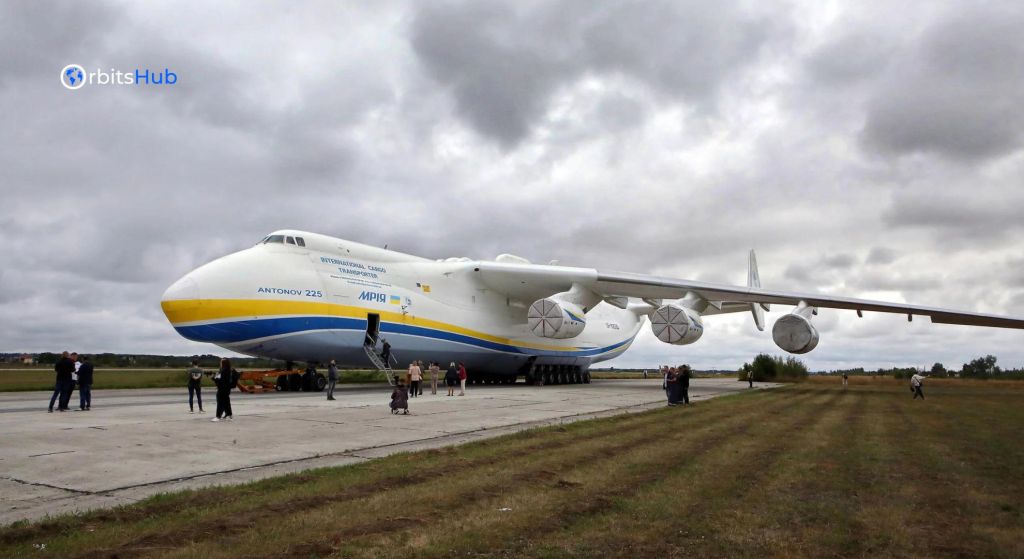
- Specialized Cargo Aircraft: Beyond traditional freighters, companies are developing aircraft designed for unique cargo types. Examples include temperature-controlled freighters for pharmaceuticals and perishable goods and outsized cargo aircraft for oversized equipment or project cargo.
E-commerce and the Last-Mile Challenge: How Freighters Adapt
The surge of e-commerce has brought a new challenge: efficient last-mile delivery. Here’s how freighters are adapting:
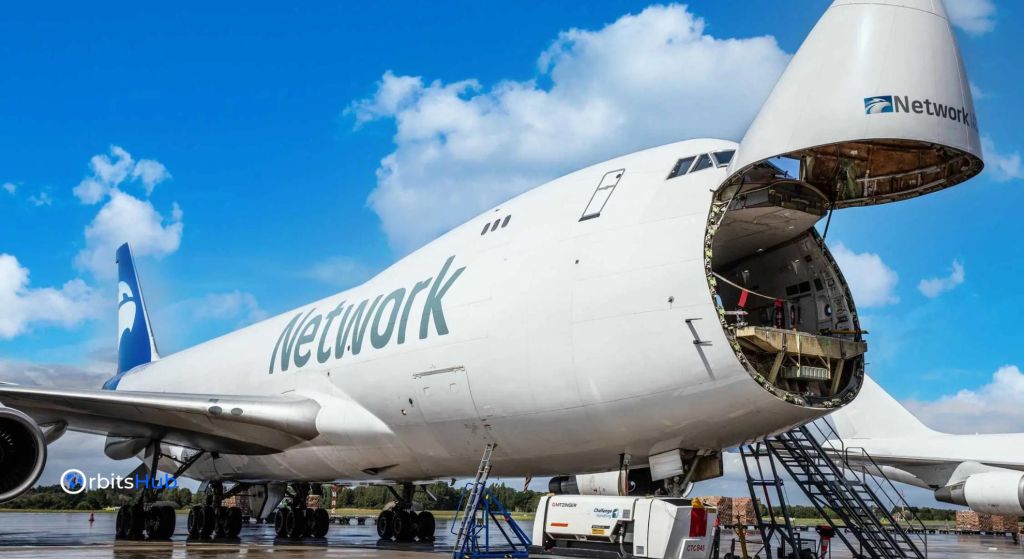
- Cargo Hubs and Feeder Services: Strategically located cargo hubs act as central points for sorting and distribution. More miniature feeder aircraft transport goods from these hubs to regional airports closer to the final destination, facilitating faster last-mile delivery.
- Drone Integration: As mentioned earlier, drone delivery services are increasingly integrated with freighter aircraft operations. Drones can deliver packages from airports directly to customers’ doorsteps, particularly in urban areas, significantly reducing last-mile delivery times.
The Role of Emerging Economies and Developing Infrastructure
The future of freighter aircraft is closely tied to emerging economies’ growth and global air cargo infrastructure development. Here’s how these factors play a role:
- Booming Demand in Emerging Markets: Rapid economic growth in India, China, and Brazil fuels demand for air cargo services. This necessitates increased freighter capacity and tailored infrastructure to handle this surge.
- Developing Airport Infrastructure: Airports worldwide are upgrading runways, expanding cargo terminals, and implementing advanced cargo handling systems to accommodate larger and more frequent freighter operations. Additionally, special economic zones (SEZs) focused on air cargo are being developed to streamline logistics and attract businesses.
Government Regulations and Policies: Government regulations are the key to the expansion of the air freight industry.
Streamlining customs procedures, investing in infrastructure development, and offering incentives for airlines and logistics companies can significantly impact the adoption of new technologies and freighter operations.
Safety and Security: Top Priorities for Freighter Operations
While innovation takes centre stage, safety and security remain paramount concerns in the air cargo industry. Here’s a look at how these aspects are being addressed:
- Advanced Avionics and Automation: Modern freighters have sophisticated avionics systems that enhance situational awareness, improve navigation, and minimize human error. Additionally, automation features like auto-landing systems further contribute to safe flight operations.
- Cybersecurity Measures: As reliance on digital technologies increases, robust cybersecurity measures become crucial. This includes protecting aircraft systems, communication networks, and cargo data from cyberattacks that could disrupt operations or compromise sensitive information.
- Enhanced Cargo Screening and Security Protocols: With the potential for illegal activities through air cargo, stringent screening procedures and security protocols are essential. This includes advanced cargo screening technologies, tamper-evident seals, and robust training programs for cargo handling personnel.
A Brighter Future for Freighter Aircraft
The future of freighter aircraft is brimming with innovation and efficiency. As automation, AI, and sustainable solutions take centre stage, we can expect faster, greener, and more streamlined air cargo transportation.
Are you ready to navigate the exciting future of air cargo? To improve your supply chain and remain ahead of the curve, OrbitsHub can help your business leverage the latest trends and developments in freighter aircraft. They are a leading maritime and aviation consultancy services firm. Contact OrbitsHub today to explore how we can help your business soar to new heights!