In today’s fast-paced world, air travel has become an integral part of our lives. Whether it’s for business, leisure, or emergencies, most of us rely on airports to take us from one place to another. However, the rise in security measures at airports has significantly altered the way we travel. Strict airport security, though crucial for ensuring the safety of passengers, has brought with it a series of challenges that can affect travel efficiency. While the intent behind these measures is clear— to protect passengers and prevent security breaches— the effect they have on travellers’ experience is a mixed bag.
Understanding Airport Security
Airport security has evolved over the years, with a focus on making travel as safe as possible. The process of screening passengers and their belongings has become more stringent since the events of 9/11, and this has led to the implementation of multiple layers of checks at airports worldwide.
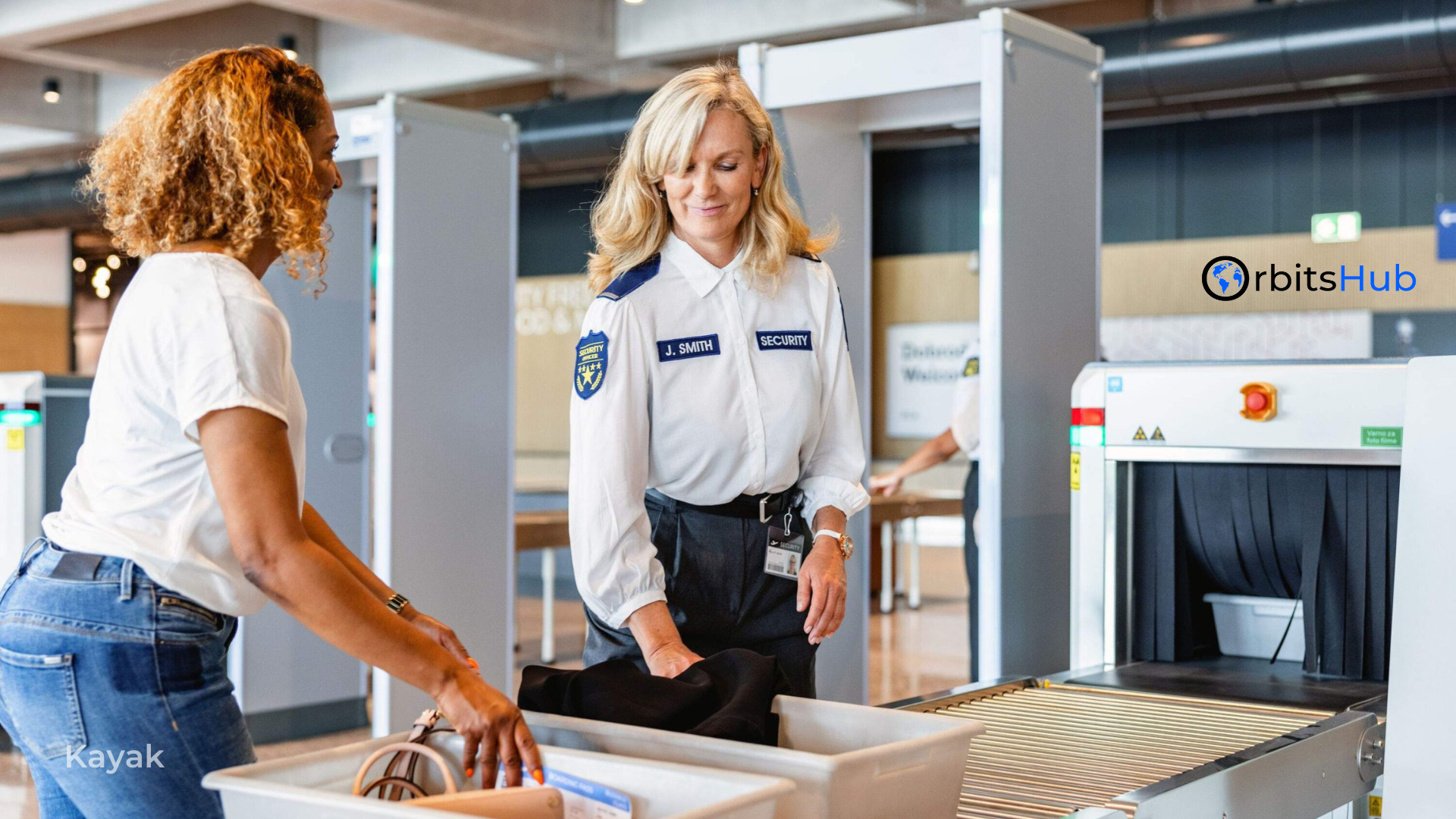
From bag checks to body scanners, each of these measures is designed to catch anything that might pose a risk. While these procedures are necessary, they can often lead to delays and frustrations for passengers. The balance between safety and efficiency is delicate, and many travellers find themselves waiting in long queues, scrambling to gather their belongings after screenings, or even missing flights due to time constraints.
The Long Wait: How Security Checkpoints Affect Travel Time
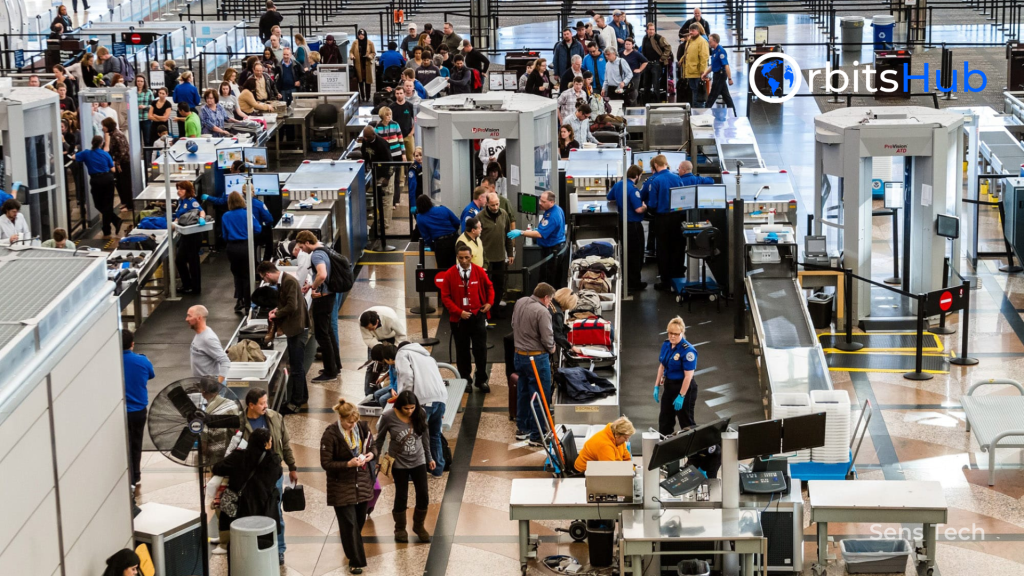
One of the most significant impacts of strict airport security is the increase in wait times at security checkpoints. Research indicates that the average time spent waiting in line for security clearance at major international airports can range from 20 minutes to over an hour during peak hours. In some cases, these delays can even lead to passengers missing their flights.
For example, consider the situation at airports like JFK in New York, Heathrow in London, or Indira Gandhi Airport in Delhi, where long queues are a common sight. Despite the best efforts to streamline the security process, the volume of passengers combined with detailed checks often leads to congestion. Travellers have to arrive well in advance of their flights to ensure they don’t face last-minute stress. The hassle of waiting in line, especially after a long journey, can make the start of a trip feel more exhausting than exciting.
Security Checks and Their Effect on Traveler Morale
The psychological impact of strict airport security measures cannot be underestimated. Travellers often feel frustrated, anxious, or even helpless while navigating through a series of security checks. In some cases, these feelings can negatively affect the overall travel experience, especially for those who are not frequent flyers.
For many, security screenings can feel intrusive. Whether it’s the need to remove shoes, belts, or electronic devices or the use of body scanners, each checkpoint brings with it a sense of inconvenience. While the intent is to safeguard the flight, the personal impact on passengers is significant.
However, it’s not just the screenings themselves that cause delays but also the heightened security awareness at airports. Increased vigilance often results in more random checks, leading to longer waits for certain passengers. This unpredictable nature of security checks only adds to the sense of unease.
The Role of Technology in Enhancing Efficiency
While the manual process of security screening can be time-consuming, technological advancements have provided some hope. Innovations such as biometric scanning, automated kiosks, and self-check-in systems are beginning to make a difference in speeding up the security process. These advancements allow for more seamless and efficient check-ins, reducing the amount of time spent waiting at counters or undergoing manual screenings.
For example, airports in Dubai, Singapore, and Tokyo have implemented biometric systems that enable passengers to board flights with just their facial recognition. These systems help reduce bottlenecks at check-in and security checkpoints, making the overall experience more efficient. Additionally, automated baggage screening systems, which use advanced algorithms to detect suspicious items, are making it faster and easier for security personnel to process bags.
These technological strides are promising and have the potential to revolutionize airport security. However, their adoption has been slow, and many airports are still in the process of integrating these technologies into their operations.
Security vs. Convenience: The Balancing Act
Finding a balance between strict security and travel efficiency is a complex challenge. While heightened security is essential, it often comes at the cost of convenience. For instance, restrictions on liquids, gels, and sharp objects add a layer of complexity to packing, forcing passengers to adjust their routines. Some airports have attempted to implement more relaxed security measures, but the ongoing concerns over terrorism and other security threats make it difficult to completely ease up on regulations.
In this scenario, the dilemma lies in how much convenience can be compromised for security. For instance, airports may choose to reduce wait times by allowing less stringent checks for certain low-risk flights or passengers. However, this approach is often met with criticism from safety experts who argue that cutting corners could leave room for potential threats.
How Security Screening Affects Air Travel Scheduling

Airlines and airport authorities are well aware of the impact that security screenings have on travel efficiency. This is why many airlines now advise passengers to arrive at the airport at least three hours before international flights and two hours before domestic flights. While these recommendations are made to ensure passengers have enough time to navigate security procedures, they often create a sense of rushed urgency.
For business travellers or those on tight schedules, long security lines can lead to the rescheduling of flights, missed connections, or even cancellations. Moreover, if a flight is delayed, it often affects subsequent connections, making the experience even more frustrating for passengers.
Statistics suggest that delays caused by security checks are one of the primary contributors to flight delays. A report from the International Air Transport Association (IATA) found that up to 40% of delays were due to the time passengers spend going through security. This highlights the crucial role security protocols play in overall travel efficiency and the aviation industry’s ability to maintain punctuality.
Alternative Solutions and the Future of Airport Security
Looking ahead, airport authorities are constantly exploring ways to improve security while minimizing its impact on travel efficiency. One potential solution lies in the concept of trusted traveller programs. These programs allow pre-screened, low-risk passengers to go through expedited security checks, freeing up more time for others.
For example, the Global Entry program in the United States enables travellers who have undergone a background check to use fast-track lanes at security checkpoints. These programs have gained popularity among frequent flyers and could play a vital role in the future of air travel security.
Another innovative idea is the use of artificial intelligence (AI) and machine learning to predict potential threats. By analyzing vast amounts of data, AI can identify patterns and anomalies in passenger behaviour, improving the detection of suspicious activity without the need for invasive searches.
As technology advances and new strategies emerge, the hope is that the balance between airport security and travel efficiency will become less of a trade-off. Passengers may eventually enjoy a safer yet more streamlined experience at airports.
Frequently Asked Questions
1. How long does airport security usually take?
On average, airport security can take between 20 minutes to an hour, depending on the airport and the time of day. It is always advisable to arrive early, especially during peak travel periods.
2. Can I avoid long security lines?
Many airports offer programs like TSA Precheck and Global Entry for expedited screening. Signing up for these programs can help you avoid long lines and make your travel experience more efficient.