A Strategic Location – The Gateway to the Mediterranean

Situated on the Damietta branch of the Nile River, the Port of Damietta enjoys a strategic position that seamlessly connects it to the vast expanse of the Mediterranean Sea. This location serves as a vital gateway for regional trade and international shipping routes alike. It’s a convergence point where history meets modern commerce.
Modern Infrastructure – Efficiency Beyond Compare
The Port of Damietta boasts modern and efficient infrastructure, comprising a multitude of berths and terminals meticulously designed to handle a diverse array of cargo types. Whether it’s containers, bulk cargo, or general cargo, this port is well-equipped to handle it all. With the capacity to accommodate large vessels, it stands as a symbol of maritime excellence, offering a well-oiled logistical machine to global trade.
Container Terminal Excellence – Pioneering Transshipment
Within the port, a dedicated container terminal thrives, equipped with state-of-the-art facilities that ensure the swift and efficient handling of containerized cargo. This terminal plays a pivotal role in the seamless transshipment of goods to and from destinations far and wide. It’s not just a terminal; it’s a dynamic gateway to the world.
Economic Dynamo – Powering Egypt’s Prosperity
The Port of Damietta serves as a robust engine driving economic activity in Egypt. Its pivotal role in international trade contributes significantly to the country’s import and export activities, facilitating the movement of goods to and from Egypt and the broader Middle East region. It’s more than a port; it’s the lifeblood of Egypt’s economy.
Seamless Connectivity – Roads, Rails, and Beyond
This maritime gem is intricately woven into major transportation networks, seamlessly connected through road and rail systems. This connectivity ensures the efficient distribution of cargo to and from the port, making it a logistical marvel. It’s not just a destination; it’s a well-connected crossroads.
Ambitious Expansion – Growth for the Future
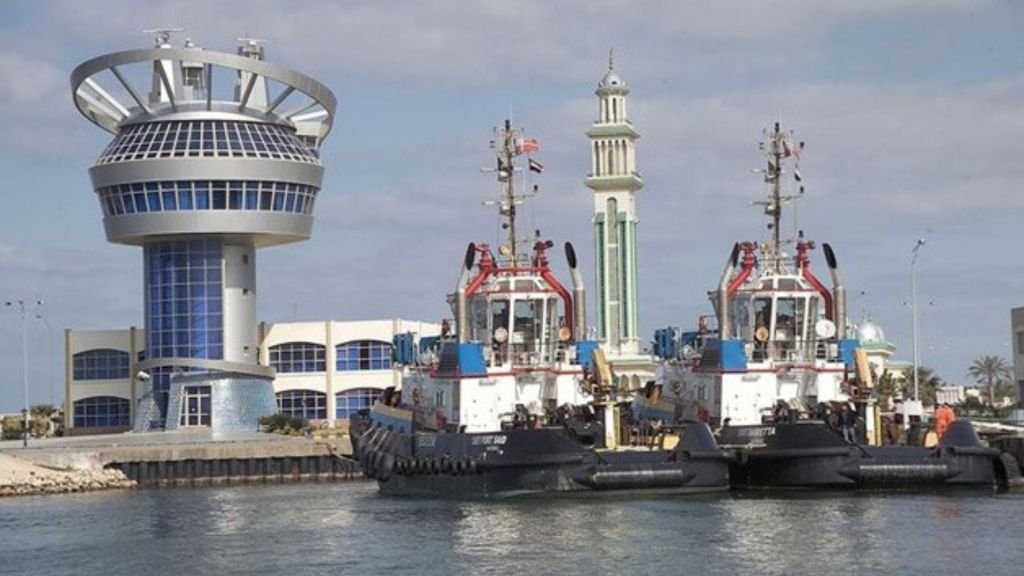
Recent years have witnessed ambitious efforts to expand and develop the Port of Damietta. The aim is to accommodate larger vessels and increase its overall capacity, thereby reinforcing its status as a global trade powerhouse. The port isn’t just evolving; it’s shaping the future of maritime commerce.
A Free Trade Oasis – Attracting Investment
Within the port’s premises lies a free trade zone, a haven that encourages investment and industrial development. It entices companies with enticing tax incentives and a plethora of benefits, fostering economic growth and vitality. It’s not just a zone; it’s an economic engine.
Navigating Competition – Thriving Amidst Challenges
Even as it stands tall, the Port of Damietta is not without competition. It faces formidable rivals in other Egyptian ports like the Port of Alexandria and the Port of Port Said, as well as from other ports dotting the Mediterranean region. Yet, its prominence remains unshaken. It doesn’t just compete; it excels.
Environmental Initiatives – Sustainability and Responsibility
The Port of Damietta is committed to sustainability and environmental responsibility. It implements measures to minimize its ecological footprint, ensuring that growth goes hand in hand with preserving the natural environment. It’s not just about commerce; it’s about responsible stewardship.
Cultural Significance – A Tapestry of Heritage
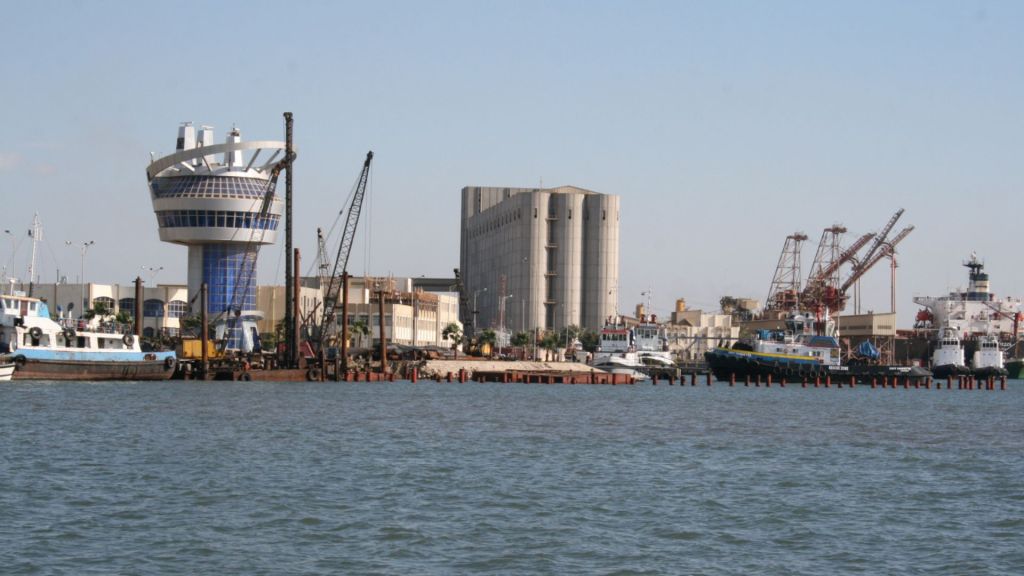
Beyond its economic role, the Port of Damietta holds a special place in Egypt’s cultural heritage. It’s a testament to centuries of maritime traditions and a living museum of the region’s history. It’s not just a port; it’s a cultural treasure.
The Port of Damietta stands as a vital cornerstone of Egypt’s trade infrastructure. Its influence extends far beyond national borders, as it continues to be an indispensable hub for international trade and commerce, anchoring Egypt firmly on the global maritime map. It’s not just a port; it’s a testament to human ingenuity and maritime excellence, a beacon of sustainability, and a custodian of culture.