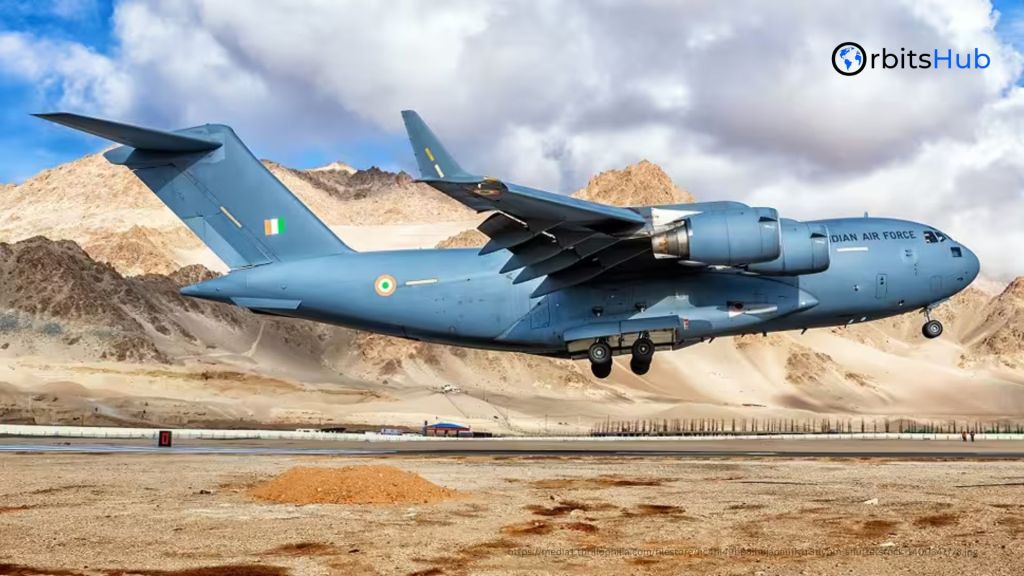
The C-17 Globemaster III, a high-wing, four-engine, T-tailed military transport aircraft, has been a game-changer in strategic airlift and army operations. This formidable aircraft, operated by the Indian Air Force (IAF), has provided India with a significant boost in its strategic and tactical airlift capabilities. Here, we will explore the features, abilities, and impact of the C-17 Globemaster III on the IAF and its missions.
The C-17 Globemaster III: A Brief Overview
The C-17 Globemaster III is a familiar aircraft, with its maiden flight taking place over 20 years ago. Since then, it has become a crucial asset for military forces around the world. The United States Air Force (USAF) was the first to declare its C-17s operational in January 1995, and since then, over 200 aircraft have been delivered to the USAF alone. Other countries, including the United Kingdom, Australia, Canada, and the United Arab Emirates, have also acquired this versatile aircraft.
Modernizing the Indian Air Force
The Indian Air Force recognized the need to modernize its fleet and enhance its strategic airlift capabilities. In 2011, India signed a contract with Boeing, the manufacturer of the C-17 Globemaster III, to acquire 10 of these heavy-lift military transport aircraft. This $4.1 billion deal marked a significant milestone in India’s efforts to transform into a full-spectrum strategic capability.

The induction of the C-17s into the Indian Air Force has been a game-changer. These aircraft, which gradually replaced the aging IL-76 fleet, have a maximum payload capacity of 77 tonnes, significantly higher than the IL-76’s 45 to 47-tonne power. The C-17’s enhanced fuel capacity upgraded avionics, and additional lighting systems make it a formidable asset for the IAF.
Operational Flexibility and Versatility
Discuss how the C-17’s ability to operate in austere and challenging terrains has enhanced the Indian Air Force’s operational flexibility. Also, explore how the aircraft’s versatile cargo handling systems and advanced avionics contribute to its effectiveness in different mission scenarios, including military operations and humanitarian aid missions.
Strategic Importance and Global Partnerships
Highlight the role of the C-17 Globemaster III in supporting international collaborations and partnerships, such as joint military exercises and relief missions with allied nations. Additionally, discuss how the aircraft’s strategic airlift capabilities contribute to global mobility and interoperability, enabling the Indian Air Force to participate effectively in global security initiatives.
The C-17’s Impact on Indian Operations
The C-17 Globemaster III has been essential in many Indian activities, showing how powerful, flexible, and able to work in harsh conditions. One notable example is its involvement in quickly deploying troops, tanks, combat vehicles, and air defense weapons to forward areas in eastern Ladakh in response to increased tensions with China in 2020. The C-17s enabled the Indian Air Force to swiftly transport personnel and equipment to the region, reinforcing India’s defense capabilities.
During the ongoing tensions in eastern Ladakh, the C-17s have been instrumental in deploying many soldiers and equipment. These aircraft have flown men, armored personnel carriers, and even tanks into Ladakh, demonstrating their ability to operate in austere and challenging terrains.
Key Features and Capabilities of the C-17 Globemaster III
Payload Capacity and Range
The C-17 Globemaster III boasts an impressive payload capacity of 77 tonnes, allowing it to transport large combat equipment, troops, and humanitarian aid directly to small airfields in remote locations. It can fly about 2,400 nautical miles without stopping to refuel in the air. Its starting cruise altitude is 28,000 feet. Its ability to take off and land on runways as short as 3,500 feet further enhances its versatility in challenging terrains.

Advanced Avionics and Flight Control Systems
The C-17 is safe and efficient because it has modern avionics and flight control systems. The cockpit features two full-time all-function head-up displays (HUD) and four multi-function active matrix liquid crystal displays (AMLCD). Its quadruple-redundant electronic flight control system (EFCS) provides precise control and maneuverability with a mechanically actuated backup system for added safety.
The C-17 has advanced communication and navigation systems, enhancing its operational capabilities. The aircraft’s avionics suite includes state-of-the-art radar systems, GPS navigation, and secure communication channels, ensuring reliable performance in various mission scenarios. Moreover, the C-17’s design incorporates redundancy and fault-tolerant features, contributing to its high safety and dependability in military and humanitarian operations. Integrating modern technologies in the C-17’s avionics and flight control systems exemplifies its commitment to maintaining a cutting-edge and efficient transport aircraft.
Versatile Cargo Handling and Delivery Systems
The C-17’s cargo handling systems are designed for efficient and rapid loading and unloading of cargo. It can accommodate up to 54 passengers on sidewall seats and has 18 pallet positions, including four on the ramp. The aircraft’s cargo handling systems require only a single loadmaster, enabling immediate offloading without special equipment. This capability allows quick response times in humanitarian aid missions and military operations.
The C-17’s usefulness in various operational contexts is not limited to the cargo it can carry; the plane can also take off and land on very small runways, making it incredibly adaptable. Furthermore, its advanced avionics and communication systems ensure reliable and safe missions, enhancing its effectiveness in various scenarios. Overall, the C-17’s combination of payload capacity, adaptability, and rapid deployment capabilities solidify its status as a critical asset in both civilian and military endeavours.
Short Takeoff and Landing Capabilities
One of the remarkable features of the C-17 is its ability to take off and land on short runways. It can take off from a 7,000-foot airfield and land on a small, austere airfield of 3,000 feet or less. This capability makes it ideal for accessing remote areas with limited infrastructure, allowing for efficient delivery of personnel and equipment to even the most challenging locations.
The C-17 Globemaster III’s versatile design enables it to operate from short runways and facilitates rapid and strategic airlift missions. With its oversized cargo bay and impressive payload capacity, the C-17 can transport a wide range of military equipment, including vehicles, helicopters, and ample supplies. This makes it a critical asset for military operations, humanitarian efforts, and disaster response, as it can quickly deploy and sustain forces in diverse and demanding environments. The C-17’s adaptability and reliability underscore its significance in addressing global challenges and providing essential logistical support in various scenarios.
Aerial Refueling Capability
The C-17 Globemaster III also possesses in-flight refueling capability, enabling it to extend its range and endurance. This feature allows for extended missions without the need to land for refueling, enhancing the aircraft’s operational flexibility and responsiveness. By refueling in the air, the C-17 can cover greater distances and remain functional for longer durations, making it a valuable asset in long-range missions.
The in-flight refueling capability of the C-17 Globemaster III enhances its strategic airlift capabilities by enabling it to support operations across vast distances and in remote regions. This capability reduces the reliance on ground-based refueling infrastructure and enhances its versatility in various mission scenarios, including humanitarian aid, disaster relief, and military deployments. Furthermore, the ability to refuel in-flight enables the C-17 to adapt to dynamic operational requirements, ensuring continuous support to missions with minimal downtime. This feature underscores the aircraft’s crucial role in providing rapid and sustained airlift support, contributing significantly to global mobility and operational effectiveness.

The IAF’s C-17 Fleet and Future Plans
The Indian Air Force operates a fleet of 10 C-17 Globemaster III aircraft, making it the largest overseas customer for Boeing. These aircraft are based at Air Force Station Hindon near Delhi but are deployed to various regions, including the remote and austere north and north-eastern Himalayan areas. With its impressive performance and capabilities, the C-17 fleet has significantly enhanced the IAF’s strategic airlift capabilities.
C-17 Globemaster III: Enhancing Tactical Airlift Capabilities
- Rapid Deployment: The C-17 Globemaster III is pivotal in tactical airlift operations, enabling rapid deployment of troops, vehicles, and equipment to various locations.
- Adaptability: The C-17’s ability to operate in diverse environments, from established airbases to remote and austere locations, makes it an invaluable asset for tactical missions.
- Advanced Navigation Systems: Equipped with state-of-the-art avionics and navigation systems, the C-17 ensures precise and reliable delivery of cargo and personnel, enhancing mission effectiveness.
- Support for Special Operations: The aircraft’s capabilities also extend to supporting special operations forces, providing them with the necessary logistics and airlift support to accomplish their missions.
Technological Advancements in the C-17: A Closer Look
- Cutting-Edge Avionics: The C-17 features modern avionics, including digital flight control systems and advanced communication suites, which enhance situational awareness and safety.
- Enhanced Fuel Efficiency: The aircraft incorporates fuel-efficient engines, which extend its operational range and reduce the need for frequent refueling.
- Upgraded Defensive Systems: The C-17 is equipped with advanced defensive countermeasures, such as radar warning receivers and flares, to protect against potential threats.
- Improved Cargo Handling Technology: Technological advancements in cargo handling systems allow for more efficient and secure transportation of various types of cargo, from heavy vehicles to medical supplies.
- Environmental Adaptations: The aircraft’s design includes features to operate in extreme weather conditions, ensuring mission continuity regardless of ecological challenges.
Comparing the C-17 with Other Strategic Airlift Aircraft
- Payload Capacity: The C-17 boasts a maximum payload capacity of 77 tonnes, surpassing many other strategic airlift aircraft in its class.
- Operational Versatility: Unlike some airlift aircraft that require extensive infrastructure, the C-17 can operate from short and unpaved runways, offering greater operational flexibility.
- Range and Endurance: The C-17’s range and in-flight refueling capability allow it to undertake long-distance missions without frequent stops, which is advantageous for global operations.
- Cost Efficiency: While the C-17’s operational costs are competitive, its versatility and capabilities offer significant value for strategic airlift missions, often justifying the investment.
- Comparative Analysis: Compared to aircraft like the C-130 Hercules and the Antonov An-124, the C-17 balances payload capacity, range, and versatility, making it a preferred choice for many air forces.
C-17’s Role in Humanitarian and Disaster Relief Operations
- Rapid Response: In times of humanitarian crisis, the C-17 is frequently sent to provide much-needed supplies, medical equipment, and people to the places that need them the most.
- Aerial Delivery Systems: Its ability to perform airdrops ensures that aid reaches even the most inaccessible regions, which is crucial during natural disasters or conflicts.
- Versatility in Cargo Types: The aircraft can transport a wide range of cargo, including food, water, temporary shelters, and rescue vehicles, supporting comprehensive relief efforts.
- Medical Evacuation: The C-17 is equipped to conduct medical evacuations, with facilities to transport patients, medical staff, and necessary equipment.
- International Aid Collaboration: The C-17’s capabilities enable international cooperation in relief efforts, as it can quickly mobilize and deliver aid from multiple countries to a single disaster zone.
Future Prospects and Potential Upgrades for the C-17 Fleet
- Modernization Programs: Future upgrades for the C-17 fleet may include advanced avionics systems, improved communication suites, and enhanced defensive measures to maintain technological edge.
- Increased Payload Capacity: Potential structural modifications could further improve the aircraft’s payload capacity, enabling it to carry even more cargo.
- Sustainability Initiatives: There are plans to incorporate more sustainable technologies, such as fuel-efficient engines and eco-friendly materials, to reduce the aircraft’s environmental impact.
- Enhanced Interoperability: Upgrades to improve interoperability with other military assets and systems will ensure the C-17 remains a crucial player in joint operations.
- Life Extension Programs: Given its critical role, there are ongoing discussions about life extension programs to extend the operational lifespan of the C-17, ensuring its continued service in future decades.
Recognizing the effectiveness and performance of the C-17s, the Indian Air Force has expressed interest in acquiring additional aircraft. In 2018, the IAF proposed the purchase of three more C-17s from Boeing. However, as manufacturing of the C-17s has ceased, obtaining other aircraft may prove challenging. Nevertheless, the existing fleet of C-17s continues to serve the IAF with distinction, providing vital support in various missions.
FAQ’s
1. What is the C-17 aircraft?
The C-17 aircraft, also known as the C-17 Globemaster III, is a versatile cargo aircraft used for strategic delivery of troops and various types of cargo. It can also perform airdrop missions, aeromedical evacuations, and tactical airlifts.
2. What are the capabilities of the C-17 Globemaster III?
The C-17 Globemaster III is capable of rapid strategic troop delivery, airdrop missions, aeromedical evacuations, and tactical airlift. It can operate in short runways and has a large payload capacity. The aircraft is reliable, maintainable, and can accommodate various types of cargo.
3. How far can the C-17 aircraft fly?
The C-17 aircraft has a range of approximately 2,400 nautical miles, allowing it to cover significant distances during missions.
4. How many C-17 aircraft are there in the fleet?
The final fleet of C-17 aircraft includes 223 units. The Air Mobility Command and Pacific Air Forces operate these aircraft.
5. When was the first C-17 aircraft delivered?
The first C-17 aircraft was delivered in 1993.
6. Does the Indian Air Force use the C-17 Globemaster III?
The Indian Air Force operates the C-17 Globemaster III for various military transport operations.
7. What are the key features of the C-17 Globemaster III?
The C-17 Globemaster III is known for its long length, large payload capacity, ability to operate in short runways, and capability to tackle heavy, oversized payloads in unpredictable conditions. It is a sturdy, long-haul aircraft used for various military missions.
The C-17 Globemaster III has undoubtedly transformed the Indian Air Force’s strategic airlift capabilities. With its impressive payload capacity, range, and short takeoff and landing capabilities, this versatile aircraft has become a force multiplier for the IAF. Its role in quick deployments, humanitarian aid missions, and operations in challenging terrains has solidified its position as a vital asset in India’s defense capabilities. As the IAF continues to leverage the power and versatility of the C-17, it stands ready to meet future challenges with confidence and ability.