Submerged in the endless seas of the globe are the Scorpene-class submarines, an ominous and silent presence. These advanced diesel-electric attack submarines, jointly developed by the French Naval Group and the Spanish company Navantia, have become a symbol of naval power and technological prowess. With their superior stealth capabilities, impressive range, and cutting-edge weaponry, Scorpene-class submarines play a crucial role in protecting sovereignty, exercising deterrence, and gathering intelligence. An in-depth analysis of these extraordinary undersea vessels’ features, operators, and strategic significance is presented in this article.
Unveiling the Scorpene-Class Submarines
Scorpene Characteristics
The Scorpene class of submarines comprises various subtypes, each designed for specific missions and capabilities. The conventional diesel-electric version, CM-2000, measures 61.7 meters in length. Its air-independent propulsion (AIP) derivative, the AM-2000, features an extended length of 70 meters. Additionally, there is a downsized version called CA-2000 for coastal missions. The Brazilian Navy variant, S-BR, stretches to 70.62 meters to accommodate more batteries. These submarines are equipped with advanced sonar systems, such as the TSM 2233 Mk 2 sonar and the ‘S-Cube’ sonar suite from Thales, enhancing their detection capabilities.
Air-Independent Propulsion
One of the standout features of the Scorpene-class submarines India is their air-independent propulsion (AIP) system. The French shipyard Naval Group offers the Module d’Energie Sous-Marine Autonome (MESMA) system, which uses ethanol and oxygen to generate steam and power a conventional turbine plant. This unique system allows the submarines to operate underwater for extended periods, with some models capable of more than 21 days of autonomy. Naval Group is also developing second-generation hydrogen fuel cell AIP modules for future Scorpene models, further improving their endurance and operational capabilities.
Advancements in Underwater Warfare Technologies
This section could delve into the latest technological advancements in underwater warfare, focusing on how innovations like the Scorpene-class submarines’ stealth capabilities, AIP systems, advanced sonar, and communication arrays are shaping the future of naval operations.
Geopolitical Impact and Strategic Alliances
Here, you could explore the geopolitical implications of countries acquiring and operating Scorpene-class submarines, highlighting how these vessels contribute to regional stability, defence strategies, and international alliances in maritime security and naval cooperation efforts.
Operators of the Scorpene-Class Submarines
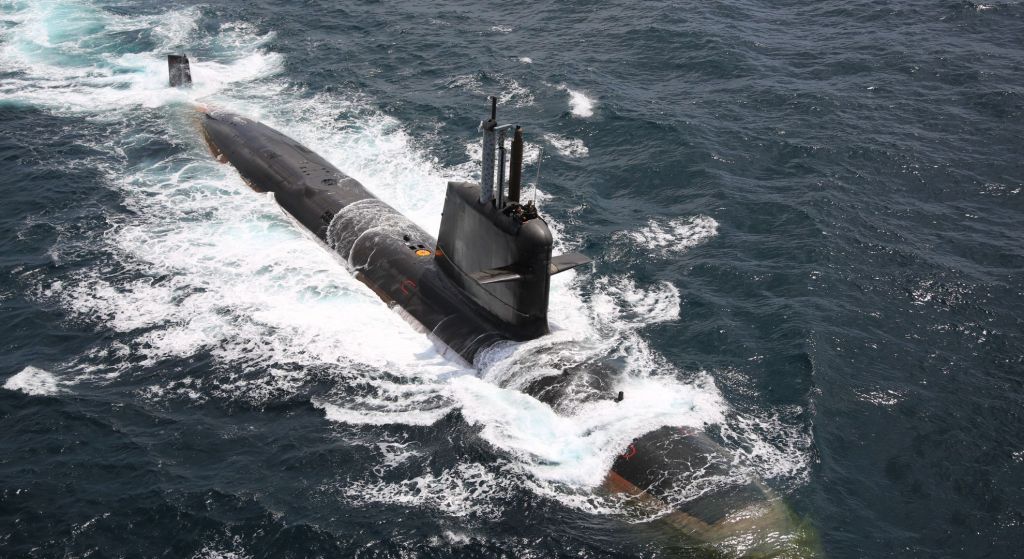
The Scorpene-class submarines have garnered interest and trust from naval forces worldwide. Let’s take a closer look at the current operators and their deployments.
Current Operators
Chile
The Chilean Navy operates two Scorpene-class submarines, the O’Higgins and Carrera. These submarines replaced the retired Oberon-class submarines and have been in service since 2005 and 2006, respectively. The Chilean boats are equipped with the TSM 2233 Mk 2 sonar, enhancing their detection and surveillance capabilities.
Malaysia
In 2002, Malaysia acquired two Scorpene-class submarines, the Tunku Abdul Rahman and Tun Abdul Razak. These submarines, commissioned in 2009, bolster the capabilities of the Royal Malaysian Navy and contribute to maritime security in the region.
India
India’s naval forces have also embraced the Scorpene-class submarines. The Indian Navy chose the Scorpene design in 2005 and ordered six submarines for $3 billion. Under a technology transfer agreement, these submarines are constructed at the Mazagon Docks in Mumbai. The lead submarine, INS Kalvari, was commissioned in December 2017, with the remaining submarines scheduled for delivery in the coming years. The Scorpene submarines significantly enhance India’s naval capabilities, enabling it to protect its maritime interests and project power in the region.
Brazil
The Brazilian Navy has made a significant investment in the Scorpene-class submarines. They purchased four enlarged Scorpènes for $10 billion, with a technology transfer agreement and the development of a French/Brazilian nuclear-powered submarine. The lead submarine, Riachuelo, was launched in December 2018, and the remaining three submarines are expected to be commissioned in the early 2020s. These submarines will enhance Brazil’s naval capabilities and safeguard its vast maritime borders.
Potential Operators
Apart from the current operators, several countries have expressed interest in acquiring Scorpene-class submarines for their naval forces. Let’s explore these potential operators and their plans.
Philippines
The Philippines has shown interest in acquiring Scorpene-class submarines to bolster its maritime defence capabilities. These submarines would enhance the country’s ability to safeguard its vast territorial waters and protect its national interests.
Poland
Poland has also expressed interest in acquiring Scorpene-class submarines as part of its efforts to modernize its naval fleet. These submarines would provide Poland with enhanced offensive and defensive capabilities, ensuring its maritime security in the Baltic Sea region.
Indonesia
With its extensive archipelagic nature, Indonesia has identified the need for advanced submarines to protect its maritime interests. The Scorpene-class submarines have emerged as potential candidates to bolster Indonesia’s naval power and secure its vast territorial waters.
Romania
Romania, situated on the Black Sea, seeks to strengthen its naval capabilities. Scorpene-class submarines have attracted Romania’s attention, offering advanced stealth features and a potent underwater offensive capability.
Failed Bids
While the Scorpene-class submarines (list) have garnered significant interest, several countries’ bids to acquire them have failed. Let’s take a look at these failed bids.
Spain
Spain’s attempt to acquire Scorpene-class submarines was ultimately unsuccessful. Despite their interest, the negotiations and procurement process did not materialize into an acquisition.
Norway
Norway, known for its robust naval capabilities, also considered the Scorpene-class submarines. However, the country pursued alternative options for modernizing its submarine fleet.
Scorpene-Class Submarines: A Technological Marvel
General Characteristics
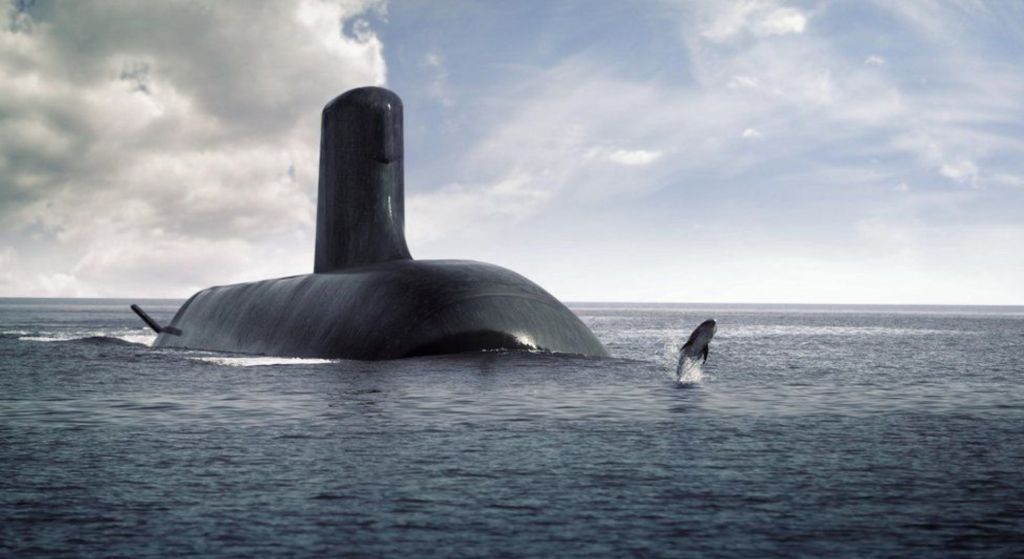
The Scorpene-class submarines boast impressive specifications and cutting-edge technologies. Let’s delve into their general characteristics:
- Displacement: The submarines have a displacement ranging from 1,565 to 1,900 tons, depending on the subtype.
- Length: The length of the submarines varies from 61.7 meters to 70.62 meters, accommodating different mission requirements.
- Propulsion: The submarines feature diesel-electric propulsion systems, batteries, and air-independent propulsion (AIP) systems, providing extended underwater endurance.
- Speed and Range: The submarines can achieve up to 20 knots submerged and have a range of 6,500 nautical miles at 8 knots on the surface.
- Armament: The submarines are equip with six 533 mm torpedo tubes capable of launching Whitehead Alenia Sistemi Subacquei Black Shark heavyweight torpedoes, SM-39 Exocet anti-ship missiles, and A3SM (MICA) anti-air missiles. They can also carry up to 30 mines.
Superior Stealth and Acoustic Discretion
One of the defining features of the Scorpene-class submarines is their superior stealth capabilities. Advanced acoustic silencing techniques and low radiated noise levels make these submarines exceptionally difficult to detect. Their hydro-dynamically optimized shape further reduces the chances of detection, ensuring their effectiveness in covert operations.
Cutting-edge sensor and Communication Systems
Scorpene-class submarines are equip with state-of-the-art sensor and communication systems to maintain situational awareness and communicate effectively. These submarines feature advanced sonar, periscope, and communication arrays, allowing for effective surveillance, target detection, and communication with other naval assets.
Operational Superiority and Redundancy
The Scorpene-class submarines prioritize operational superiority and redundancy to ensure mission success. The redundancy of onboard equipment and systems minimizes the risk of critical failures, enhancing the overall reliability and effectiveness of the submarines.
The Scorpene-class submarines boast advanced stealth capabilities, enabling them to operate undetected in various environments. Their sophisticated sensor suites and communication systems further augment their situational awareness and tactical advantage, solidifying their position as formidable assets in naval operations.
The Strategic Importance of Scorpene-Class Submarines
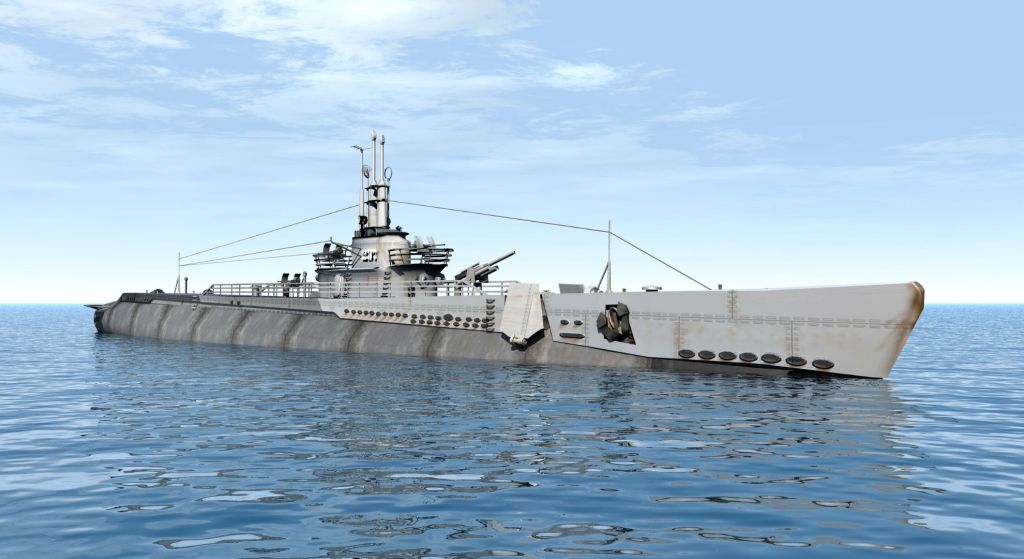
Protecting Economic Zones and Exercising Deterrence
As tensions rise in various regions worldwide, Scorpene-class submarines play a vital role in protecting economic zones and exercising deterrence. These submarines can operate covertly, monitoring and safeguarding vital economic zones, ensuring the uninterrupted flow of trade and commerce.
Intelligence Gathering and Special Operations
The Scorpene-class submarines are well-equip to conduct intelligence-gathering missions and support special operations. Their stealth capabilities allow them to gather valuable information discreetly, contributing to national security and strategic decision-making.
Inter-Ally Operations and Coalitions
The Scorpene-class submarines are valuable for global operations in an era of international cooperation and coalition operations. These submarines can seamlessly integrate into multinational naval forces, enhancing their capabilities and strengthening alliances.
The Scorpene-class submarines represent the pinnacle of technological achievement in underwater warfare. These submarines are crucial for naval forces worldwide with their advanced capabilities, including superior stealth, extended endurance, and cutting-edge weaponry. Whether protecting economic zones, conducting intelligence operations, or participating in international operations, the Scorpene-class submarines continue to shape the future of maritime warfare. As countries like India, Brazil, and Malaysia invest in these remarkable vessels, they strengthen their naval capabilities and secure their interests in an ever-changing geopolitical landscape. The Scorpene-class submarines embody the power and potential of maritime forces beneath the waves.
FAQ’s
1. What are Scorpene-class submarines?
In partnership with Navantia of Spain, the French shipbuilding firm Naval Group (formerly DCNS) created the Scorpene class of diesel-electric attack submarines. They are known for their stealth capabilities and advanced technology.
2. Which countries operate Scorpene-class submarines?
Several countries operate or have ordered Scorpene-class submarines, including India, Malaysia, Brazil, and Chile. Each country’s submarines may have variations in specifications based on their requirements and customizations.