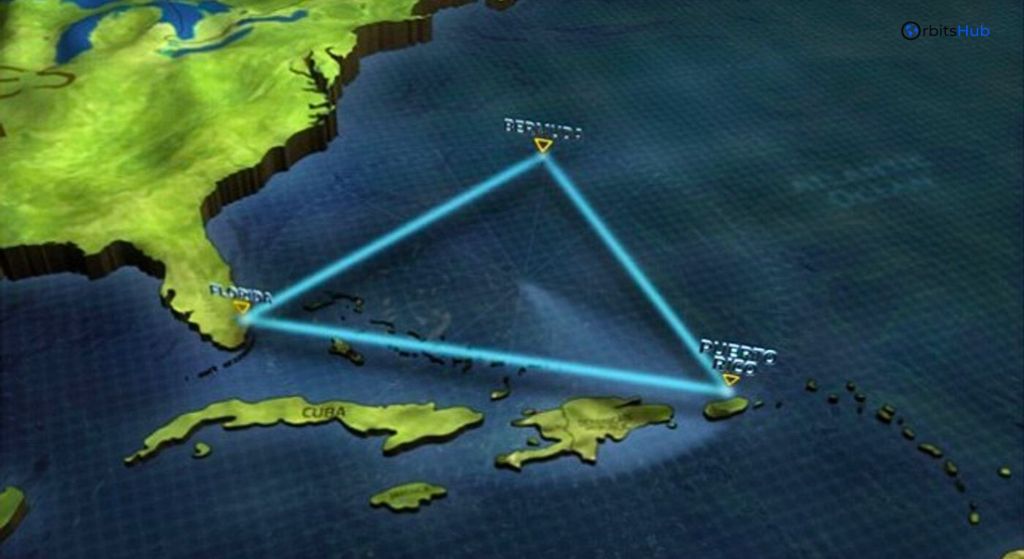
Millions have been interest in the Bermuda Triangle, a vague western North Atlantic Ocean area, for many years. Enshroud in mystery and legend, this area is often associated with unexplain disappearances of ships and aircraft. But beyond the sensational headlines, is there a real connection between boats and the Bermuda Triangle? This blog dives deep into the intriguing stories and explores the science behind the enigmatic reputation of this maritime region.
A Sea of Disappearances: Fact or Fiction?
Tales of ships and aircraft vanishing without a trace within the Bermuda Triangle have swirled for centuries. News reports and sensationalize stories fuel this mystique, often highlighting the lack of distress signals or wreckage ever being found. However, reputable maritime organizations like the US Coast Guard downplay the notion of a mysterious Bermuda Triangle.
Here’s a critical perspective to consider:
- High Traffic Zone: The Bermuda Triangle is a heavily trafficked shipping lane, with numerous vessels crossing the region daily. Statistically, the number of disappearances within the Bermuda Triangle is comparable to other large, busy maritime areas.
- Search and Rescue Challenges: The vastness of the ocean and the ever-changing weather conditions can make search and rescue operations in any naval region challenging. This might contribute to the perception of more disappearances within the Bermuda Triangle.
- Modern Technology: Technological advancements in navigation and communication have significantly improved maritime safety in recent decades. Modern ships are equip with sophisticated distress beacon systems, making it less likely for disappearances to go unnoticed.

Finding Out How Really Dangerous the Bermuda Triangle Is
While the Bermuda Triangle might not be a supernatural anomaly, the region does present some genuine maritime hazards that can threaten ships.
- Unpredictable Weather: The Bermuda Triangle is known for sudden and violent weather changes, including tropical storms, waterspouts, and rogue waves. These weather phenomena can be dangerous for unprepared vessels.
- Shallow Shoals and Reefs: The seabed within the Bermuda Triangle is not uniformly flat. Shallow shoals and underwater reefs can threaten ships, especially those that stray from designated shipping lanes.
- The Gulf Stream: The robust Gulf Stream current flows through the Bermuda Triangle. This strong current can be challenging to navigate and cause unexpected changes in a ship’s course.
Navigating with Knowledge: Ensuring Maritime Safety in any Waters
The key to safe navigation in any maritime region, including the Bermuda Triangle, lies in knowledge, preparation, and respect for the power of the sea. Here are some essential practices for maritime safety:
- Meticulous Planning: Ships venturing into the Bermuda Triangle, or any other naval region, should meticulously plan their route, considering weather forecasts and potential hazards.
- Staying Updated: Mariners must stay updated on the latest weather conditions and navigational advisories to ensure safe passage.
- Modern Equipment: Equipping ships with modern navigation and communication equipment, including emergency beacons, is crucial for maritime safety.
- Experienced Crew: A well-trained and experienced crew plays a vital role in handling emergencies and navigating challenging naval conditions.

Exploring the Origin of the Bermuda Triangle Myth
While the exact origin of the Bermuda Triangle myth remains unclear, several theories attempt to explain its emergence. Some point to early navigational errors and the inherent challenges of navigating the open seas before the advent of modern technology. Others highlight sensationalized news reports from the early 20th century focusing on regional disappearances.
Here’s a peek into some potential factors that might have contributed to the myth:
- Christopher Columbus’s Encounters: Some accounts mention that Christopher Columbus, during his first voyage to the New World, encountered unusual compass readings near the Bermuda Triangle. However, these accounts might be exaggerated or misinterpreted.
- The USS Cyclops Disappearance: The disappearance of the large US Navy collier USS Cyclops in 1918 within the Bermuda Triangle further fueled the mystique. However, various explanations exist, including encountering a powerful storm or a structural failure.
- The Thrill of the Unexplained: The human fascination with the unknown and unexplained likely played a role in perpetuating the Bermuda Triangle myth. The lack of definitive answers creates a breeding ground for speculation and sensationalized stories.
Modern Investigations and the Focus on Science over Speculation
With technological advancements and a more scientific approach to maritime investigations, the Bermuda Triangle has lost some mystique. Modern ships are equip with sophisticated communication and navigation tools, making disappearances less likely to go unnoticed. Detailed weather forecasting and a better understanding of ocean currents allow for safer navigation.
Here’s how scientific inquiry is shedding light on the mysteries of the Bermuda Triangle:
- Focus on Search and Rescue: Modern search and rescue capabilities are far more advanced than in the past. This allows for more thorough investigations and a better understanding of what might have transpired in cases of disappearances.
- Detailed Oceanographic Studies: Scientific studies of the Bermuda Triangle’s underwater geography and weather patterns are ongoing. These studies help to identify potential hazards and improve navigation safety.
- Debunking Sensationalized Stories: Reputable maritime organizations and scientific communities actively work to debunk sensationalized stories surrounding the Bermuda Triangle, promoting a fact-based understanding of the region.
Demystifying the Bermuda Triangle and the Importance of Maritime Safety
While not a mythical vortex that swallows ships whole, the Bermuda Triangle reminds us of the inherent respect we owe to the vastness and power of the ocean. Understanding the dangers lurking beneath the surface and prioritizing maritime safety practices are paramount for vessels navigating this region or any other naval area.
Are you ready to learn more about the exciting world of maritime safety and the best ways to travel through rough seas? OrbitsHub, a leading marine and aviation consultancy, can be your trusted partner. The professionals on our team are very knowledgeable about the rules of the sea, how to navigate, and safety measures. OrbitsHub can give you the information and skills you need, whether you work in the Navy or are interest in general safe maritime activities. Learn more about our many services on our website, and then you can confidently sail the high seas.