The F18F Super Hornet, a global mainstay of the U.S. Navy and air forces, continues to be a powerful and versatile fighter jet. First introduced in the late 1990s, the Super Hornet has undergone several upgrades throughout its service history to stay ahead of evolving threats. As we move through 2024, let’s look at the latest enhancements keeping this iconic aircraft relevant in the modern battlespace.
Block III F18F Super Hornet: A Leap Forward in Capability
The most significant upgrade for the Super Hornet in recent times is the introduction of the Block III variant. This advanced version boasts a suite of improvements designed to enhance its capabilities across various aspects. Here’s a breakdown of some key features:
- Enhanced Networked Warfare: The Block III features a robust new data link system allowing seamless communication and information sharing between Super Hornets, other aircraft, and ground forces. This improved connectivity facilitates coordinated strikes and a more efficient overall battlespace operation.
- Advanced AESA Radar: Block III incorporates the latest Active Electronically Scanned Array (AESA) radar technology. This powerful radar provides superior detection and tracking capabilities at long ranges, allowing the Super Hornet to identify and engage even the most challenging targets with greater precision.
- Improved Situational Awareness: The pilot’s cockpit in Block III receives a significant upgrade by incorporating a new large-area display and enhanced processing power. This translates to better situational awareness for the pilot, allowing for quicker decision-making during critical combat situations.
- Increased Payload Capacity: The Block III boasts a strengthened airframe to carry a heavier payload. This translates to a more excellent range of weapons and equipment that the Super Hornet can carry, making it more adaptable to diverse mission requirements.

Beyond Block III: Additional Advancements – F18F Super Hornet
While Block III is the most significant upgrade program, other ongoing efforts contribute to the Super Hornet’s continued evolution. These include:
- Improved Engine Performance: Ongoing research into engine upgrades aims to enhance the Super Hornet’s fuel efficiency and overall performance. This can lead to increased operational range and better fuel economy, translating into cost savings and extended mission capabilities.
- Advanced Avionics and Weapon Integration: Continuous advancements in avionics and weapon systems are being integrated into the Super Hornet. This includes incorporating new sensors, countermeasure systems, and next-generation weaponry, ensuring the aircraft remains at the forefront of aerial combat technology.
- Autonomous Technologies: The future of aerial warfare might involve greater autonomy. Research is underway to explore the potential integration of autonomous capabilities into the Super Hornet, such as autonomous aerial refuelling or drone wingmanship.
Block II Upgrades and Service Life Extension Programs
While Block III represents the cutting-edge Super Hornet technology, a significant portion of the existing fleet comprises Block II variants. These earlier models are still competent aircraft, and various upgrade programs ensure they remain relevant for years.
- Block II Upgrades: The upgrade programs focus on improving specific aircraft functionalities. This might involve incorporating advanced radar systems, integrating new weapon capabilities, or upgrading communication and navigation suites. These targeted enhancements keep Block II Hornets competitive in the modern battlespace.
- Service Life Extension Programs (SLEPs): As airframes age, their structural integrity and operational life can diminish. SLEPs address this by conducting inspections, repairs, and component replacements. These programs effectively extend the operational lifespan of Block II Hornets, allowing them to continue serving alongside their Block III counterparts.
The Future of the F18F Super Hornet: Beyond 2024
The Super Hornet’s story continues in 2024. With its robust airframe and adaptable design, the platform has the potential for further advancements and integration of next-generation technologies. Here’s a glimpse into what the future might hold:
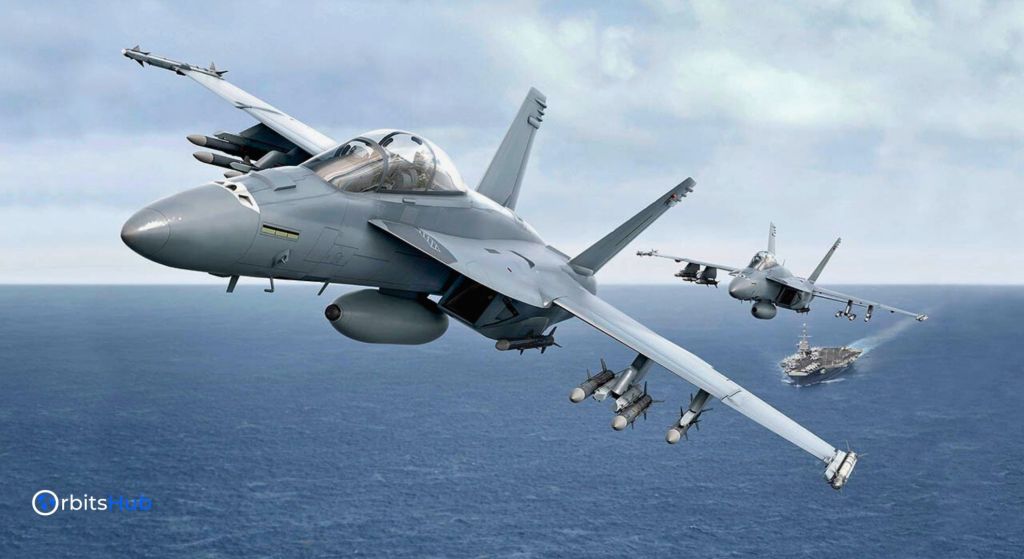
- Directed Energy Weapons Integration: Research is ongoing into developing directed energy weapons, such as high-powered lasers, for aerial combat applications. With its upgradeable architecture, the Super Hornet could be adapted to integrate these futuristic weapons, revolutionizing air warfare tactics.
- Unmanned Teammate Integration: The concept of Loyal Wingman drones, uncrewed aerial vehicles (UAVs) that can accompany human-crewed aircraft and provide combat support, is gaining traction. The Super Hornet’s potential integration with such UAVs could significantly enhance its capabilities and survivability in future battlefields.
- International Partnerships and Continued Production: The Super Hornet remains a popular choice for air forces around the globe. Continued international partnerships and potential production line extensions beyond 2027 could ensure the Super Hornet’s presence in international skies for years.
A F18F Super Hornet Soaring High
The F18F Super Hornet, with its ongoing upgrades and advancements, remains a formidable force in the skies. With its enhanced capabilities, the Block III variant marks a significant leap forward in the aircraft’s evolution. Looking ahead, continuous improvements in engine performance, avionics, and potential autonomous features promise to solidify Super Hornet’s position as a dominant player in modern air combat.
Innovations in Avionics: Enhancing the F18F Super Hornet’s Capabilities
The 2024 upgrades to the F18F Super Hornet include significant advancements in avionics, ensuring this aircraft remains at the cutting edge of military aviation technology.
- Enhanced Radar Systems: One of the most notable upgrades is integrating next-generation radar systems. These new radars provide superior detection and tracking capabilities, allowing pilots to identify and engage threats efficiently.
- Advanced Communication Suites: The avionics package includes updated communication systems that enhance aircraft and ground control connectivity. These systems ensure seamless and secure data transfer, improving mission coordination and execution.
- Improved Navigation Systems: Upgrades to the navigation systems offer greater precision and reliability. With enhanced GPS and inertial navigation technologies, pilots can navigate more accurately in all conditions, reducing the risk of mission errors.
These innovations collectively boost the F18F Super Hornet’s operational effectiveness, making it a formidable asset in modern air combat scenarios.
Engine Overhauls: Boosting Performance and Efficiency
The 2024 enhancements to the F18F Super Hornet extend to its propulsion systems, focusing on improving engine performance and efficiency.
- Increased Thrust: The new engines provide higher thrust, allowing for better takeoff performance and faster acceleration. This boost in power enhances the aircraft’s agility and responsiveness during combat operations.
- Fuel Efficiency Improvements: Upgraded engines are designed with fuel efficiency in mind, incorporating advanced materials and technologies that reduce fuel consumption. This efficiency extends the aircraft’s operational range and allows longer missions without refueling.
- Enhanced Durability: The engine overhauls also include improvements in durability and maintenance. The F18F Super Hornet can achieve higher operational readiness and lower downtime with more robust components and streamlined maintenance processes.
These engine upgrades ensure that the F18F Super Hornet remains a robust and reliable platform for military missions, capable of performing at its peak in various operational environments.
The Impact of Advanced Weapon Systems on the F18F Super Hornet
The latest upgrades to the F18F Super Hornet include state-of-the-art weapon systems, significantly enhancing its combat capabilities.
- Precision-Guided Munitions: Integrating advanced precision-guided munitions allows the F18F Super Hornet to engage targets accurately. These weapons minimize collateral damage and increase mission success rates.
- Expanded Weapons Compatibility: Upgraded weapon systems expand the range of munitions the aircraft can carry, from air-to-air missiles to ground-attack bombs. This versatility enables the F18F Super Hornet to perform various mission types.
- Improved Targeting Systems: Enhanced targeting systems, including advanced laser designators and infrared sensors, provide pilots with better-targeting information. This improvement ensures more effective engagement of both stationary and moving targets.
These weapon system upgrades make the F18F Super Hornet a more formidable adversary, capable of carrying out complex and varied missions with greater precision and effectiveness.
How Upgrades are Transforming Cockpit Comfort and Usability
The 2024 upgrades to the F18F Super Hornet also focus on improving the pilot’s experience, with enhancements designed to boost comfort and usability.
- Ergonomic Cockpit Design: The aircraft cockpit has been redesigned with ergonomics in mind, ensuring that controls are within easy reach and that the layout reduces pilot fatigue. This design allows pilots to maintain peak performance during extended missions.
- Advanced Display Systems: New high-resolution displays provide pilots with more precise and comprehensive information. These displays integrate flight data, targeting information, and mission parameters into a cohesive interface, enhancing situational awareness.
- Enhanced Ejection Seats: Upgraded ejection seats offer better safety and comfort. These seats are designed to withstand higher G-forces and provide improved support, reducing the risk of injury during ejection.
By focusing on the pilot’s experience, these upgrades ensure that the F18F Super Hornet remains a user-friendly and efficient platform, enabling pilots to operate more effectively and safely.
Strategic Importance of the F18F Super Hornet in Modern Air Combat
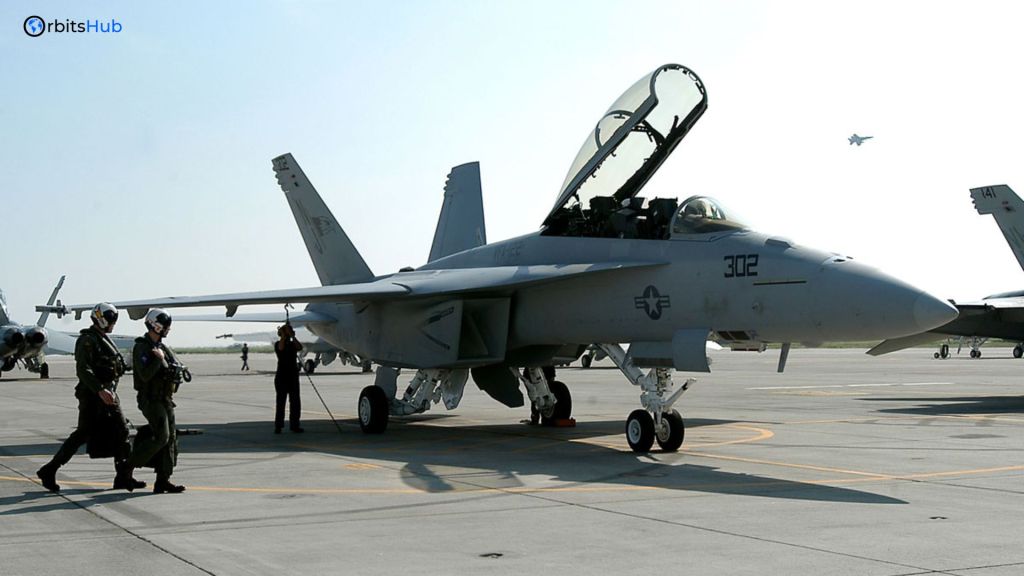
The 2024 upgrades reaffirm the strategic importance of the F18F Super Hornet in modern air combat, ensuring its continued relevance and superiority.
- Versatility in Missions: The upgraded F18F Super Hornet can perform various missions, from air superiority to ground attack and reconnaissance. This versatility makes it a critical asset in any military operation.
- Enhanced Survivability: With improvements in stealth and electronic warfare capabilities, the F18F Super Hornet can effectively evade detection and counter enemy defenses. These enhancements increase the aircraft’s survivability in contested environments.
- Force Multiplier: The F18F Super Hornet acts as a force multiplier, enhancing the overall effectiveness of military forces. Its advanced capabilities allow it to support and amplify the impact of other assets in the fleet.
These factors underscore the strategic value of the F18F Super Hornet, positioning it as a critical component in maintaining air superiority and ensuring mission success in the modern battlefield.
Considering Upgrading Your Fleet?
Are you curious about the potential advantages of the most recent F18F Super Hornet improvements for your aviation operations? Regarding aircraft modernization and upgrade initiatives, the experts at OrbitsHub can help you make sense of all the moving parts. At OrbitsHub, we have a team of seasoned experts who can listen to your problems and develop personalized solutions. Contact OrbitsHub today and explore how we can help your fleet soar to new heights!