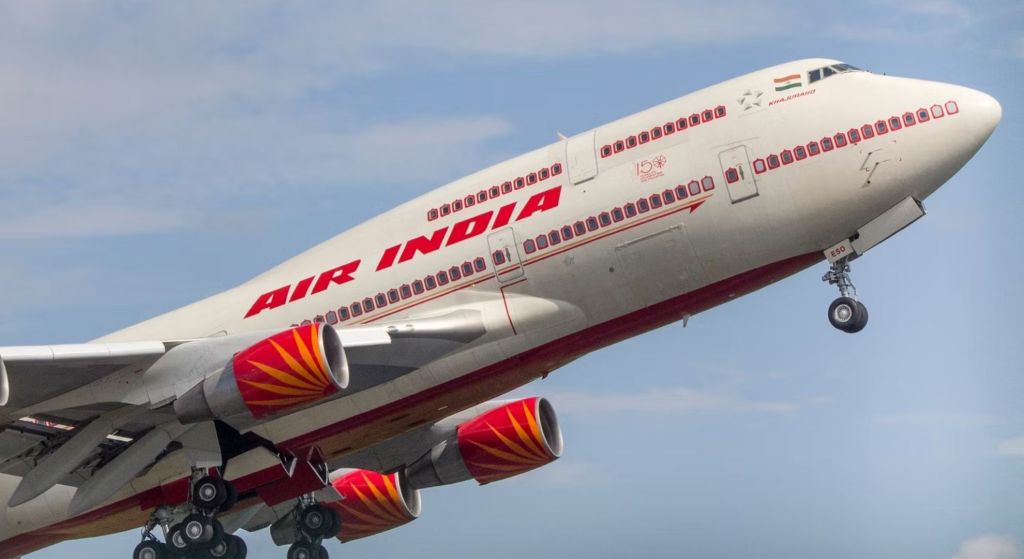
The Boeing 747, affectionately known as the “Queen of the Skies,” holds a special place in the hearts of aviation enthusiasts and has left an indelible mark on the history of Air India. Once the face of the airline, the Air India fleet has undergone significant changes over the years, with fuel-efficient twin-engine jets replacing the older planes. However, the legacy of the Boeing 747 still lingers, evoking nostalgia and admiration for the golden age of aviation. Here, we will journey through time to explore the fascinating story of Air India’s Boeing 747 aircraft.
The Early Days of Air India’s 747 Fleet
Air India’s affair with the Boeing 747 began in 1971 when the airline acquired its first jumbo jet. The introduction of the Boeing 747 marked a significant milestone for Air India, propelling it into the league of the world’s best airlines. The early planes, with their iconic first-class decks, showcased the opulence and grandeur that Air India was renowned for. Each aircraft had a name, reflecting India’s rich cultural heritage. The interiors of these planes were meticulously designed by the art department of Air India, ensuring a seamless fusion of luxury and tradition.
The Impressive Variants of the Boeing 747
Air India operated 31 Boeing 747 aircraft, with 28 bearing the Indian registration number starting with “VT.” These included 12 Boeing 747-200, two 747-300, and 14 747-400 variants. The 747-200s and 747-300s were gradually phased out, making way for the more advanced 747-400 version with its stretched upper deck. The introduction of the 747-400 brought enhanced features and capabilities, further elevating Air India’s status as a premium carrier.
Cultural Significance and Passenger Experience
How Air India’s Boeing 747 jets affect culture and how passengers feel about them. You could discuss the unique design elements, onboard amenities, cultural motifs incorporated into the aircraft interiors, and the role of these planes in shaping passengers’ perceptions of Air India as a carrier embodying Indian hospitality and heritage.
Active and Retired: The Journey of Air India’s 747s
As time passed, most of Air India’s Boeing 747 plane was retire and either scrap or placed in storage. However, a few of these iconic aircraft still continue to make their presence felt. One former Boeing 747-400, which served Air India from 2004 to 2007 as VT-AIE, now operates for Kalitta Air as a cargo aircraft. Another aircraft is currently in service with the Dubai Air Wing, flying for the government of the United Arab Emirates. These active planes testify to the durability and versatility of the Boeing 747.
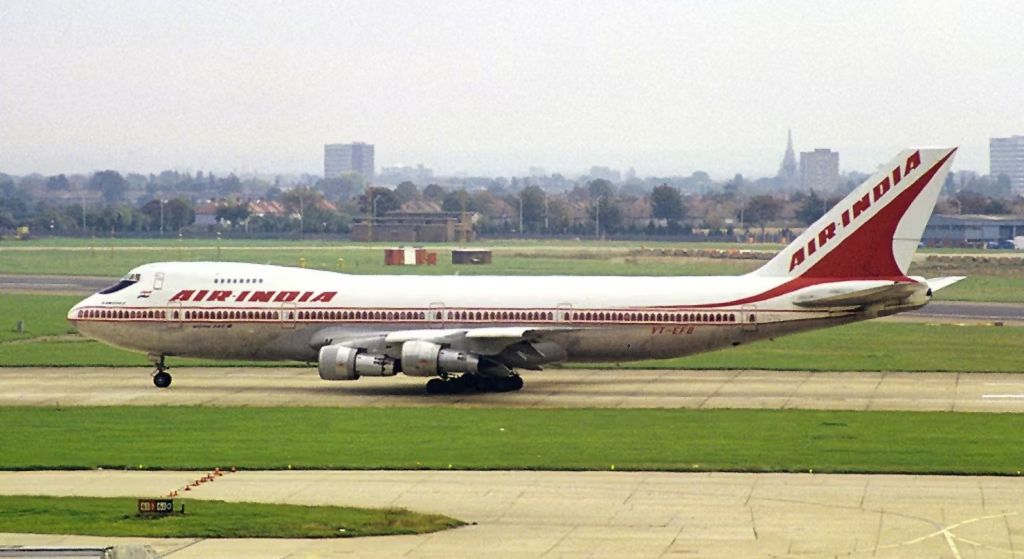
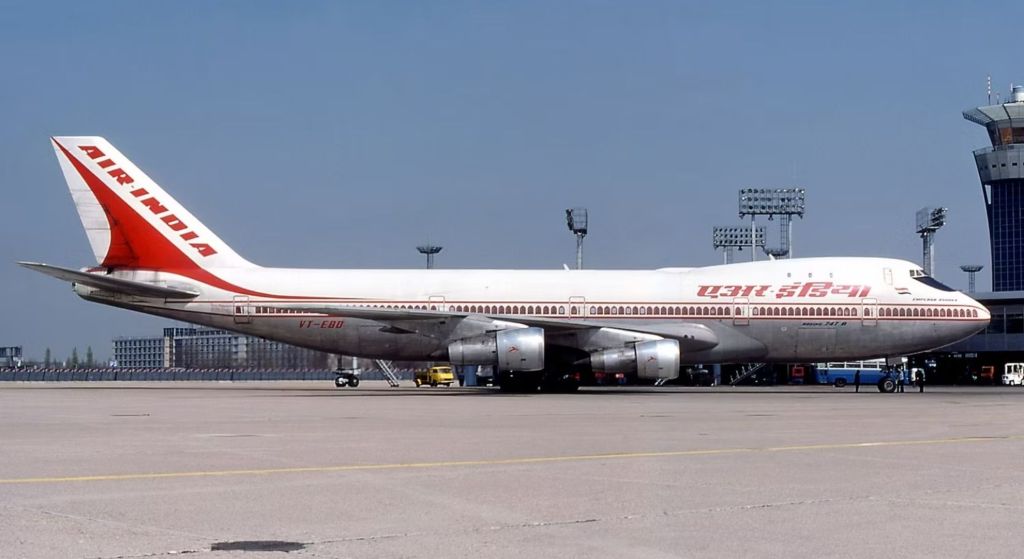
Unfortunately, three of Air India’s 747s met with tragic accidents over the years. The first crash involved the airline’s inaugural jumbo, a 747-200 registered as VT-EBD and named Emperor Ashoka. In 1978, an instrument malfunction led to the plane crashing off the coast of Mumbai. Another 747-200, VT-EFO, was destroy in 1985 when a bomb planted by Sikh militants exploded near the Irish coast. In 1990, a Boeing 747-200 registered as VT-EBO suffered engine damage and caught fire upon landing in Delhi. Despite these unfortunate incidents, the safety record of the Boeing 747 remained commendable.
The End of an Era: Retirement and Deregistration
Air India’s Boeing 747 fleet, once the pride and joy of the airline, has now reached the end of its journey. The deregistration of the last remaining Boeing 747s from the civil aviation register of India marked the retirement of these magnificent aircraft. This signifies the official closure of the 747 aircraft program for Air India. While some may have wished for a grand farewell, the retirement of these planes was relatively quiet. However, the memories and legacy of the Boeing 747 will forever be etched in the history of Air India.
Preserving the Legacy: The Fate of Air India’s 747s
The Boeing 747 fleet is being retire, which raises the question of what will happen to these famous planes. Most of them are likely to be thrown away, but there is a chance that one could be kept to honor Air India’s history. The Tata Group, which recently acquired Air India, could potentially retain one of these planes as a symbol of the airline‘s rich heritage. Moreover, there is an opportunity to explore creative ways of upcycling these aircraft, transforming them into unique art pieces, or repurposing them for educational purposes.
The Boeing 747: A Timeless Symbol of Aviation Excellence
The Boeing 747, with its unmistakable hump and graceful silhouette, will forever hold a special place in the hearts of aviation enthusiasts worldwide. Its remarkable engineering and pioneering design revolutionized the way people travel. The Air India Boeing 747s, in particular, significantly shaped the airline’s identity and reputation. From the opulent interiors and renown service to unforgettable flights and cherish memories, the B747 aircraft will always be remember as a symbol of Air India’s commitment to excellence.
Technological Innovations: The Boeing 747’s Advanced Features
The Boeing 747 introduced numerous technological advancements that set new standards in aviation:
- Four-Engine Power: Equipped with four powerful engines, the 747 was capable of long-haul flights with impressive range, reducing the need for frequent stops.
- Wide-Body Design: As one of the first wide-body jets, it featured a spacious cabin with multiple aisles, allowing for greater passenger comfort and higher capacity.
- Upper Deck: The distinctive hump allowed for an upper deck, originally used as a first-class lounge and later converted into additional seating.
- Sophisticated Avionics: Advanced avionics systems improved navigation, safety, and fuel efficiency, making flights smoother and more reliable.
- In-Flight Entertainment: The 747 pioneered in-flight entertainment systems, enhancing the passenger experience with movies, music, and more.
These features combined to make the Boeing 747 a marvel of engineering, admired by pilots, passengers, and aviation enthusiasts alike.
Iconic Routes: Air India’s Global Reach with the 747
Air India’s Boeing 747s were pivotal in establishing the airline’s global presence:
- Non-Stop Long-Haul Flights: The 747 enabled Air India to offer non-stop flights on long-haul international routes, connecting India with major cities worldwide.
- Popular Destinations: Iconic routes included Mumbai to New York, Delhi to London, and Chennai to Sydney, enhancing connectivity and convenience for travelers.
- Transcontinental Travel: The 747’s range allowed for transcontinental travel, opening new markets and destinations for Air India.
- Cultural Exchange: These routes facilitated cultural exchange and tourism, bringing people and cultures closer together.
- Cargo Capacity: In addition to passenger services, the 747’s cargo capacity enabled Air India to transport goods efficiently across continents.
The 747’s versatility and range were instrumental in Air India’s expansion and success on the global stage.
Crew Experiences: Stories from the Flight Deck and Cabin
The crew members who operated Air India’s Boeing 747s have countless memorable experiences:
- Pilot’s Perspective: Pilots enjoyed the advanced flight systems and the aircraft’s reliability, often sharing stories of smooth flights and challenging weather conditions.
- Cabin Crew Tales: Flight attendants recall the luxurious service provided to first-class passengers, including gourmet meals and personalized attention.
- Cultural Showcases: The unique cultural elements onboard, such as traditional Indian decor and hospitality, left a lasting impression on passengers and crew alike.
- Emergency Training: Crew members were trained for various emergencies, highlighting their professionalism and dedication to passenger safety.
- Celebrity Encounters: Many famous personalities flew on the 747, creating memorable moments and stories for the crew.
These experiences reflect the dedication and passion of the crew, contributing to the iconic status of Air India’s 747s.
The Transition: From Boeing 747 to Modern Fleet
The transition from the Boeing 747 to a modern fleet marked a significant shift for Air India:
- Fuel Efficiency: Newer aircraft, like the Boeing 787 and Airbus A350, offered greater fuel efficiency, reducing operational costs and environmental impact.
- Advanced Technology: Modern planes feature advanced avionics, improved safety systems, and enhanced passenger amenities.
- Passenger Comfort: Enhanced seating, in-flight entertainment, and quieter cabins improved the overall passenger experience.
- Operational Flexibility: Twin-engine jets provided more operational flexibility, allowing Air India to optimize routes and schedules.
- Future Growth: The transition enabled Air India to remain competitive in the evolving aviation market, ensuring future growth and sustainability.
This evolution reflects Air India’s commitment to innovation and excellence in service.
Celebrating Milestones: Key Moments in Air India’s 747 History
Several key milestones define Air India’s history with the Boeing 747:
- First Acquisition: In 1971, Air India acquired its first 747, marking a new era of luxury and long-haul travel.
- Iconic Flights: Memorable flights included inaugural services to major international destinations, showcasing Air India’s global ambitions.
- Cultural Representation: The naming of each aircraft after Indian emperors and cultural icons highlighted the airline’s pride in its heritage.
- Safety Records: Despite a few tragic incidents, the 747 maintained a commendable safety record, demonstrating its reliability.
- Final Retirement: The deregistration of the last 747s in Air India’s fleet marked the end of an iconic chapter, celebrated by aviation enthusiasts and former crew members.
These milestones celebrate the legacy and achievements of Air India’s Boeing 747s, honoring their place in aviation history.
The Boeing 747, cherished as the “Queen of the Skies,” made an unforgettable impact on the aviation sector and rose to cultural icon status. Its spacious and luxurious interiors and unparalleled views from its iconic upper deck provided passengers with a unique and memorable flying experience. The Air India Boeing 747s, adorned with the distinctive Maharaja logo, became ambassadors of the airline’s dedication to providing a regal and world-class travel experience. As these majestic aircraft gracefully took to the skies, they carried with them the aspirations and dreams of generations, leaving an enduring legacy in the annals of aviation history.
FAQ’s
1. What is the seating capacity of the Air India Boeing 747?
The Air India Boeing 747 has a seating capacity of approximately 400 passengers, depending on the configuration.
2. What are the main features of the Air India 747?
The Air India Boeing 747 is known for its spacious interiors, comfortable seating, advance in-flight entertainment systems, and excellent cabin crew service.
3. Does the Air India Boeing 747 have Wi-Fi onboard?
Yes, the Air India Boeing 747 has Wi-Fi services, allowing passengers to stay connected during their flight.
4. Does the Air India 747 offer business and economy class seating options?
Yes, the Air India 747 offers both business class and economy class seating options, providing passengers with a choice based on their preferences and budget.
5. What are some popular routes serve by the Air India 747?
The Air India 747 operates on various domestic and international routes. Some popular courses include Mumbai to New York, Delhi to London and Chennai to Singapore.

As we bid farewell to Air India’s Boeing 747 fleet, we reflect upon the remarkable journey of these magnificent aircraft. From their grand debut in the early 1970s to their retirement in recent years, the 747s have left an indelible mark on the history of Air India. These planes represented a golden era of aviation, where luxury, innovation, and impeccable service reign supreme. While the physical presence of the 747 may fade away, its legacy will continue to soar high in the hearts of aviation enthusiasts worldwide. People will always remember the 747 as a valid symbol of Air India’s long history and its service to the world of aviation.