Most of the work that keeps the U.S. aviation business safe and running smoothly is done by the Federal Aviation Administration (FAA). Established in 1958, the FAA has evolved into a comprehensive regulatory body that oversees all aspects of civil aviation. From setting safety standards to regulating air traffic, the FAA’s responsibilities are vast and critical to maintaining the highest levels of safety in air travel.
Overview of the Federal Aviation Administration’s Core Responsibilities
The FAA’s responsibilities can be broadly categorized into several key areas:
- Regulating civil aviation safety
- Managing air traffic
- Certifying aircraft and personnel
- Overseeing commercial space transportation
Each of these areas is crucial to maintaining the integrity of the aviation system in the United States.
Regulating Civil Aviation Safety
One of the FAA’s primary responsibilities is to ensure civil aviation safety. This includes making and following safety rules for all flight parts, from designing and building planes to maintaining and flying them. The FAA’s safety regulations cover a wide range of areas, including:
- Aircraft Certification: The FAA certifies new designs and modifications to meet safety standards before commercial service use.
- Airworthiness Directives: These are legally enforceable rules issued by the FAA to address safety issues identified in specific aircraft models. They require operators to perform particular inspections, repairs, or modifications to maintain safety.
- Safety Inspections: The FAA conducts regular inspections of airlines, repair stations, and other aviation-related entities to ensure compliance with safety regulations.
Managing Air Traffic
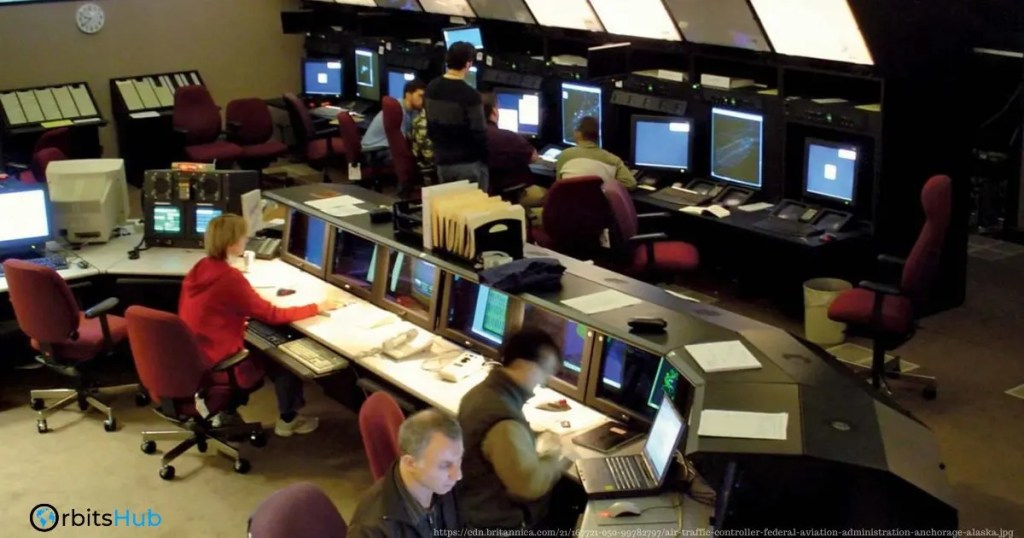
The FAA manages the nation’s air traffic to ensure aircraft’s safe and efficient movement. This involves operating air traffic control (ATC) facilities across the country, which monitor and guide aircraft during all phases of flight. The FAA’s air traffic management duties include:
- Air Traffic Control Operations: ATC personnel work in control towers, approach control facilities, and en route centers to direct aircraft, prevent collisions, and ensure air traffic flows smoothly.
- NextGen Implementation: The FAA is modernizing the U.S. air traffic system through the Next Generation Air Transportation System (NextGen). This project aims to improve air traffic control by replacing old radar systems with space-based technology.
Certifying Aircraft and Personnel
The FAA is also tasked with certifying aircraft, pilots, and aviation personnel to ensure they meet stringent safety standards. This certification process is vital for maintaining safety and competency within the aviation industry.
- Pilot Certification: The FAA sets pilot training, testing, and licensing standards. It ensures that all pilots, from private aviators to airline captains, have the necessary skills and knowledge to operate aircraft safely.
- Aircraft Certification: Beyond initial design approval, the FAA certifies the ongoing airworthiness of aircraft through regular inspections and mandatory maintenance schedules.
- Maintenance Personnel Certification: Aviation maintenance technicians are also certified by the FAA, ensuring that those responsible for upkeep are qualified and adhere to the highest safety standards.
The Federal Aviation Administration’s Role in Environmental Protection
Beyond its direct responsibilities in aviation safety and efficiency, the FAA also plays a significant role in environmental protection. The agency’s efforts in this area include reducing the environmental impact of aviation and promoting sustainability within the industry.
Noise Regulation and Mitigation
A primary environmental concern associated with aviation is noise pollution. The FAA has taken several steps to help towns near airports deal with plane noise. These measures include:
- Noise Standards: The FAA sets noise certification standards for aircraft, ensuring that new aircraft designs produce less noise than older models.
- Noise Abatement Procedures: The FAA works with airports to develop procedures that reduce noise during takeoff and landing, such as optimized flight paths that minimize noise exposure to residential areas.
- Community Outreach: The FAA engages with communities affected by aircraft noise to address concerns and implement effective noise mitigation strategies.
Reducing Aviation’s Carbon Footprint
As part of its environmental protection efforts, the FAA is committed to reducing the aviation industry’s carbon footprint. This includes initiatives to promote more fuel-efficient aircraft and sustainable aviation fuels (SAF).
- NextGen and Fuel Efficiency: The NextGen program improves air traffic management and reduces fuel consumption and emissions by enabling more direct flight routes and efficient air traffic flows.
- Sustainable Aviation Fuels (SAF): The FAA supports the development and use of SAF, which can significantly reduce the lifecycle carbon emissions of aviation compared to traditional jet fuel.
The Federal Aviation Administration’s International Influence and Collaboration
The FAA’s responsibilities extend beyond the borders of the United States. The agency works closely with international groups and foreign civil aviation officials to make flying safer and more secure worldwide.
Collaboration with the International Civil Aviation Organization (ICAO)
Regarding the United Nations specialized body responsible for establishing aviation standards worldwide, the Federal Aviation Administration (FAA) plays a pivotal role. Through this collaboration, the FAA helps shape international aviation policies and practices that promote safety and efficiency worldwide.
- Standardization of Safety Practices: The FAA contributes to developing international safety standards, ensuring consistency across global aviation operations.
- Technical Assistance and Training: The FAA provides technical assistance and training to other countries’ aviation authorities, helping them build capacity and improve their aviation safety oversight.
Bilateral Aviation Safety Agreements (BASA)
The FAA has established Bilateral Aviation Safety Agreements (BASA) with various countries to facilitate mutual recognition of safety certifications and streamline international aviation operations. These agreements promote global trade and travel while maintaining high safety standards.
- Mutual Recognition: BASAs allow for the mutual recognition of aviation certifications, such as aircraft type certificates and pilot licenses, between the U.S. and other countries.
- Harmonization of Standards: These agreements help harmonize safety standards between the U.S. and its international partners. This reduces regulatory duplication and fosters international cooperation.
The Federal Aviation Administration is a cornerstone of the aviation industry in the United States. It is responsible for many critical areas. The FAA ensures the safety of aircraft and personnel. It also manages air traffic and protects the environment. The work of the FAA is essential to maintaining the integrity and efficiency of civil aviation. As the industry continues to evolve, the FAA’s role becomes increasingly important. This is particularly true with the advent of commercial space travel and ongoing efforts to reduce aviation’s environmental impact.
For those interested in exploring aviation services, including maritime expertise, visit Orbitshub. Orbitshub offers comprehensive consultancy services tailored to meet the unique needs of the marine industries.