Military aviation legend Panavia Tornado flew for nearly four decades. Three European powerhouses—the UK, Italy, and Germany—collaborated to create this renowned swing-wing aircraft. The Tornado’s design stressed adaptability and was called the Multi-Role Combat Aircraft (MRCA) throughout development. From deadly ground attacks to intercepting enemy aircraft and gaining critical intelligence, it sought excellence. This enormous effort produced the Panavia Tornado, a magnificent airliner that will forever be remembered in military history. Let’s explore this international aeronautical engineering accomplishment’s revolutionary technology, mission-specific modifications, and legacy.
A Tri-Nation Triumph: The Birth of the Tornado
The story of the Tornado begins in the 1960s amidst the Cold War. Recognizing the need for a versatile combat aircraft, the United Kingdom, Italy, and Germany joined forces to create the Multi-Role Combat Aircraft (MRCA). This ambitious project aimed to develop a single aircraft capable of fulfilling multiple roles, including ground attack, air interception, and surveillance.
The brainchild of this collaboration, Panavia Tornado Aircraft GmbH, a consortium formed by the three nations, unveiled the Tornado prototype in 1974. The aircraft boasted a unique variable-sweep wing design. This ingenious feature allowed the wings to adjust their sweep angle, optimizing high-speed flight and low-level maneuvering performance.
A Multifaceted Performer: Variants of the Tornado
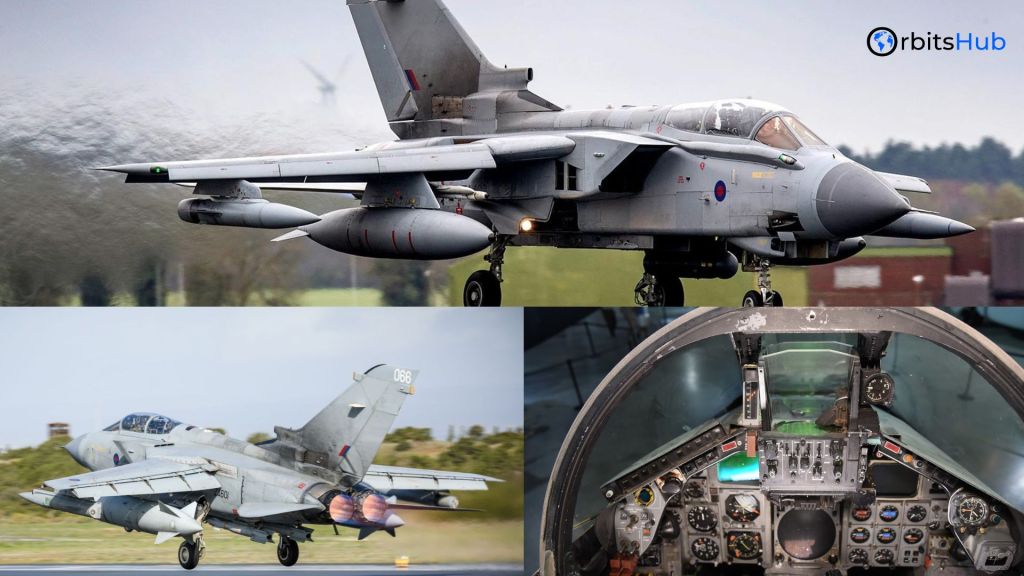
The Tornado wasn’t a one-size-fits-all solution. Instead, it came in distinct variants, each tailored to specific missions:
- Tornado GR (Ground Attack): This variant, the backbone of the RAF’s Tornado fleet, excelled in ground attack missions. Equipped with a potent armament array, it could deliver a devastating punch on enemy positions.
- Tornado ADV (Air Defence Variant): Designed for air interception, the ADV variant was the RAF’s answer to fast-moving enemy aircraft. It boasted a powerful radar system and air-to-air missiles for aerial combat.
- Tornado ECR (Electronic Combat/Reconnaissance): This specialized variant was crucial in disrupting enemy electronic communications and gathering vital intelligence.
Taking Flight: The Tornado’s Operational History
The Panavia Tornado entered operational service in the early 1980s. It quickly became a mainstay of the United Kingdom, Italy, and German air forces. Over its illustrious career, the Tornado saw action in numerous conflicts, including:
- The Falklands War: During the 1982 Falklands War, the Tornado GR was pivotal in attacking Argentine positions and defending British forces.
- The Gulf War: The Tornado GR and ECR variants were instrumental in the 1991 Gulf War, delivering precision strikes and disrupting Iraqi communications.
- Kosovo War: The Tornado remained a potent force in the 1999 Kosovo War, providing air support for NATO operations.
A Legacy of Innovation and Collaboration- Panavia Tornado Aircraft
The Panavia Tornado story is one of remarkable innovation and international cooperation. The aircraft’s success is a testament to the combined engineering prowess of the three nations. Its variable-sweep wing design was a technological marvel, offering exceptional versatility in combat situations. The Tornado’s long and distinguished service record speaks volumes about its durability and effectiveness.
The final Tornado was retired from service in 2019, marking the end of an era. However, its legacy continues to inspire. The aircraft’s development paved the way for future international collaborations in aerospace projects.
Unpacking the Technology: Inside the Tornado’s Arsenal
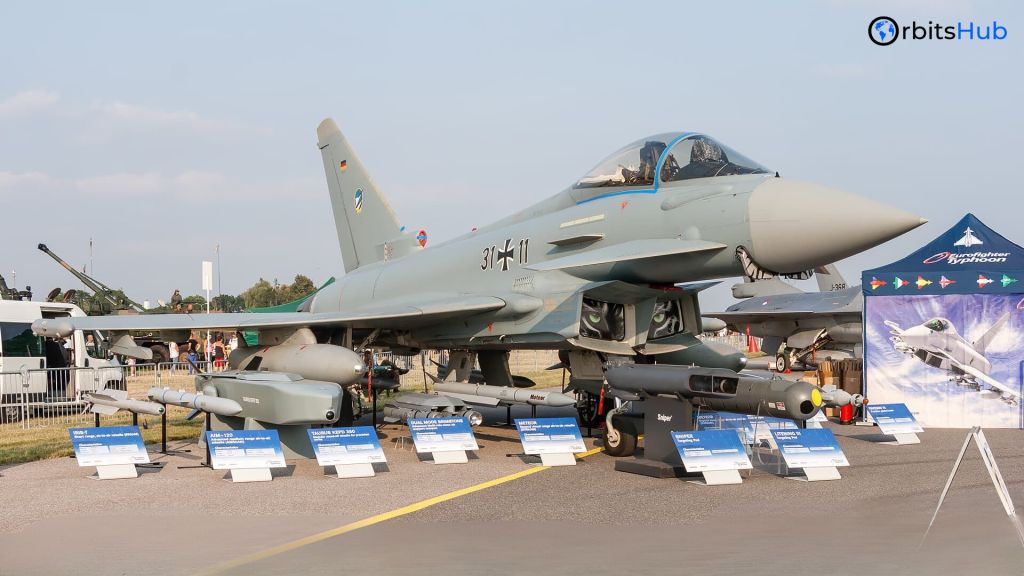
This section can delve into the technologies that made the Tornado a formidable aircraft. Here are some details you can explore:
- Variable-Sweep Wing Design: Explain how the wings’ ability to adjust sweep angle provided advantages during different flight phases. Discuss the benefits of high-speed travel (reduced drag) and low-level maneuvers (improved lift and stability).
- Avionics and Weapon Systems: Talk about the advanced avionics suite that equipped the Tornado, including its radar systems, navigation tools, and communication capabilities. Briefly mention the various weapon systems the Tornado could carry depending on the variant (e.g., bombs, missiles, targeting pods).
- Engine Performance: Touch upon the Tornado’s twin turbofan engines and their role in delivering exceptional power and efficiency.
Beyond Europe: The Tornado’s Global Reach
This section explores the Tornado’s impact beyond the European nations that developed it. Here are some interesting points to consider:
- Export Success: Discuss how the Tornado’s capabilities attracted international interest. Briefly mention the export of the Tornado to the Royal Saudi Air Force and their role in regional conflicts.
- International Collaboration: Highlight how the Tornado project was a successful model for future international collaborations in aerospace development. Briefly mention other examples of such collaborations (e.g., Eurofighter Typhoon).
- The Human Element: Training and Teamwork: Acknowledge the critical role of highly trained pilots and crews in maximizing the Tornado’s potential. Briefly discuss the rigorous training programs and teamwork required to operate such a complex aircraft effectively.
The Panavia Tornado’s retirement signifies a changing landscape in military aviation. Newer, more advanced aircraft are entering the fray. However, the lessons learned from the Tornado’s design and operational history remain valuable. The importance of international collaboration, technological innovation, and versatility in combat aircraft remains relevant.
Are you considering a career in the maritime or aviation industry? OrbitsHub, a leading consultancy services company, can help you navigate the exciting world of marine and aviation. Explore OrbitsHub to learn more about their services and how they can assist you in achieving your career goals.