A Glimpse into the Port’s Operations
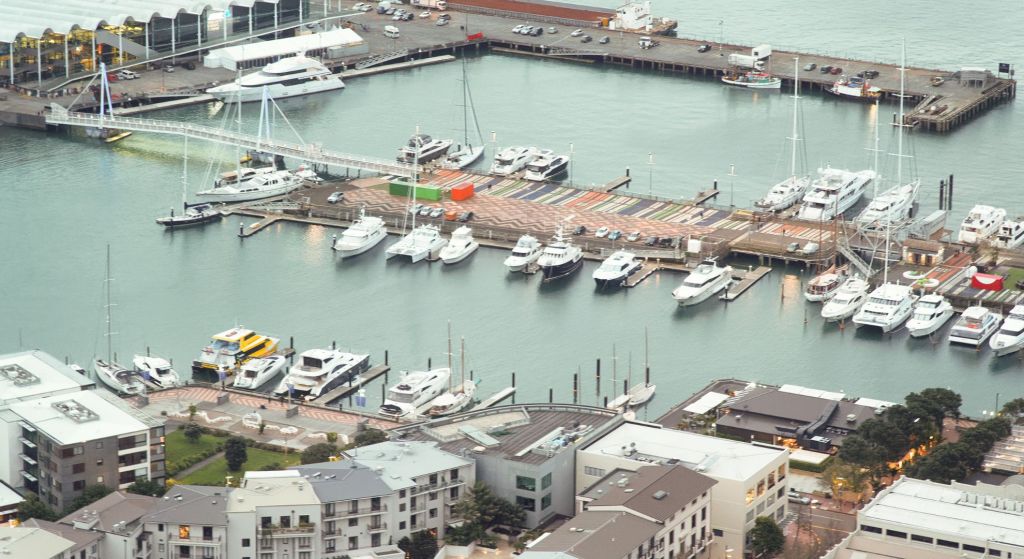
The Port of Auckland is not merely a docking point for ships but a bustling hub that facilitates trade and growth. The port’s operations encompass a wide range of services, from container terminal handling to bulk cargo handling and freight hubs. Its marine services include pilotage, towage, hydrography, and bunkering services, ensuring seamless shipping operations. Additionally, it serves as an essential gateway for cruise ships, offering various facilities and services.
Container Terminal Handling
The port’s container terminal handling services handle a diverse range of import and export cargo, ensuring their safe transit and shipment. Modern infrastructure and technology, such as strong cranes and lifts, allow the port to process cargo of varying sizes.
Bulk Cargo Handling
Apart from containers, the port also handles bulk cargo, including phosphates, sulfur, iron, and steel. It employs efficient methods and equipment to handle these bulk materials, ensuring their safe and swift transportation.
Freight Hubs
The Port of Auckland maintains freight hubs in several locations, including south Auckland, Waikato, the Bay of Plenty, and Manawatu. These hubs serve as vital links between the port and the national road and rail freight networks, enabling efficient cargo transportation.
Cruise Industry Facilities
The port also serves as an essential hub for the cruise ship industry, offering various services and facilities. It caters to numerous cruise ships each year, providing facilities for passengers and ensuring smooth operations.
A Snapshot of the Port’s History
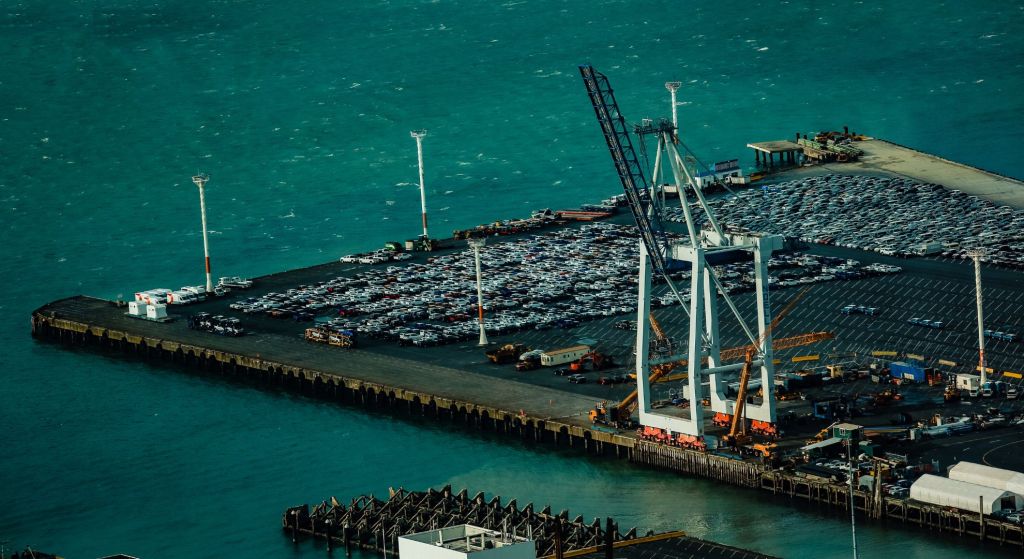
The Port of Auckland’s history is as diverse and vast as the city itself, with the port’s development reflecting Auckland’s growth and transformation over the years. The port experienced significant growth in the early 20th century, with commercial and passenger traffic increasing exponentially.
The Second World War necessitated the further expansion of the harbor facilities, leading to the establishment of new wharves and the creation of the Overseas Passenger Terminal. The late 1960s marked the beginning of the container trade era, prompting the construction of Fergusson Wharf, a large, deep-draught wharf.
In 1988, the Auckland Harbour Board handed over the port’s operations to the newly formed company, Ports of Auckland. This transition resulted in increased productivity and significant workforce restructuring. Today, the port continues to expand and evolve, keeping pace with future needs and plans for a more accessible Auckland waterfront.
Economic Impact and Contribution
The Port of Auckland plays a significant role in driving Auckland’s and New Zealand’s economy. It handles a substantial volume of the country’s imports and exports, contributing to New Zealand’s trade and growth.
The port’s operations have a direct impact on job creation, with thousands of jobs in the Auckland Region relying on trade through the ports. Furthermore, the port contributes significantly to the local economy, with its operations affecting a third of the local economy.
Future Plans: Towards Zero Emission
The Port of Auckland is not just focused on maintaining its operations; it is also committed to sustainable practices. It has pledged to achieve Zero Emissions by 2040 and has taken concrete steps towards this goal. The port recently signed a contract with Dutch company Damen Shipyards to purchase the world’s first full-size, fully electric port tug. This move underlines the port’s commitment to sustainability and its role as a leader in green practices.
Highlighting Local Talent: The Wāhine of Port of Auckland
The Port of Auckland is also known for its diverse workforce and its recognition of the talent of its wāhine (women). Women are represented across various areas of the port’s operations, from Pilots to Customer Service. The sport prides itself on being an inclusive employer and is committed to hiring women across all areas and at every level of leadership.
The Port as a Cultural Hub: The Lightship Project
In addition to its economic and operational roles, The Port of Auckland also serves as a cultural hub. In 2020, the port launched The Lightship, a contemporary art platform designed to raise the profile of emerging artists and provide a unique visual spectacle for the people of Tāmaki Makaurau.
Safety Measures and Industrial Disputes
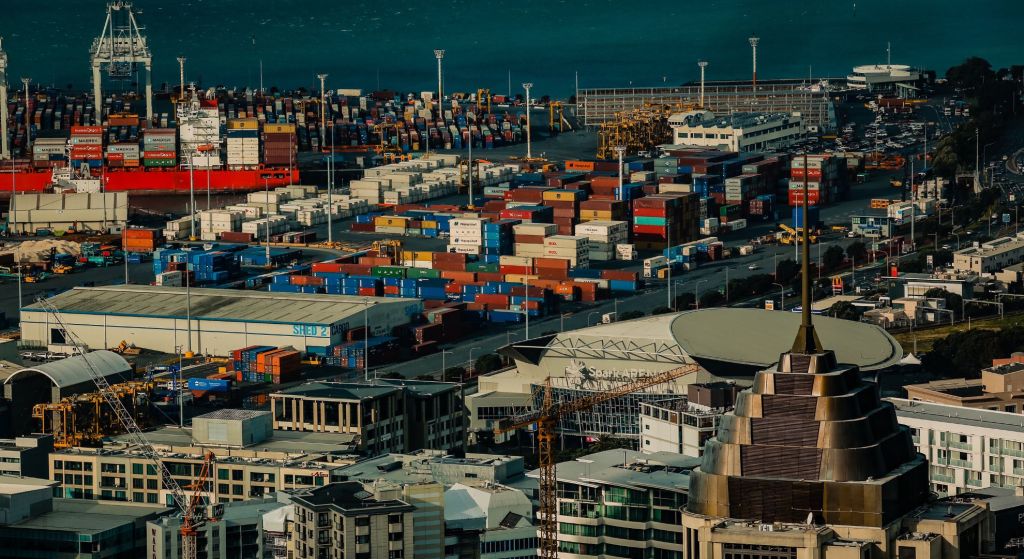
The Port of Auckland is mindful of its workers’ safety and wellbeing. However, like any major industrial hub, it has faced its share of industrial disputes and safety concerns. The port management has always prioritized resolving these issues promptly and ensuring the safety of its workers.
The Port of Auckland is more than just a docking point for ships; it is a vibrant hub that drives the city’s economy, supports its growth, and contributes to its cultural life. With its diverse operations, commitment to sustainability, and recognition of local talent, the port is truly a remarkable asset to Auckland and New Zealand. As it continues to expand and evolve, one can expect it to keep playing a vital role in shaping Auckland’s future.