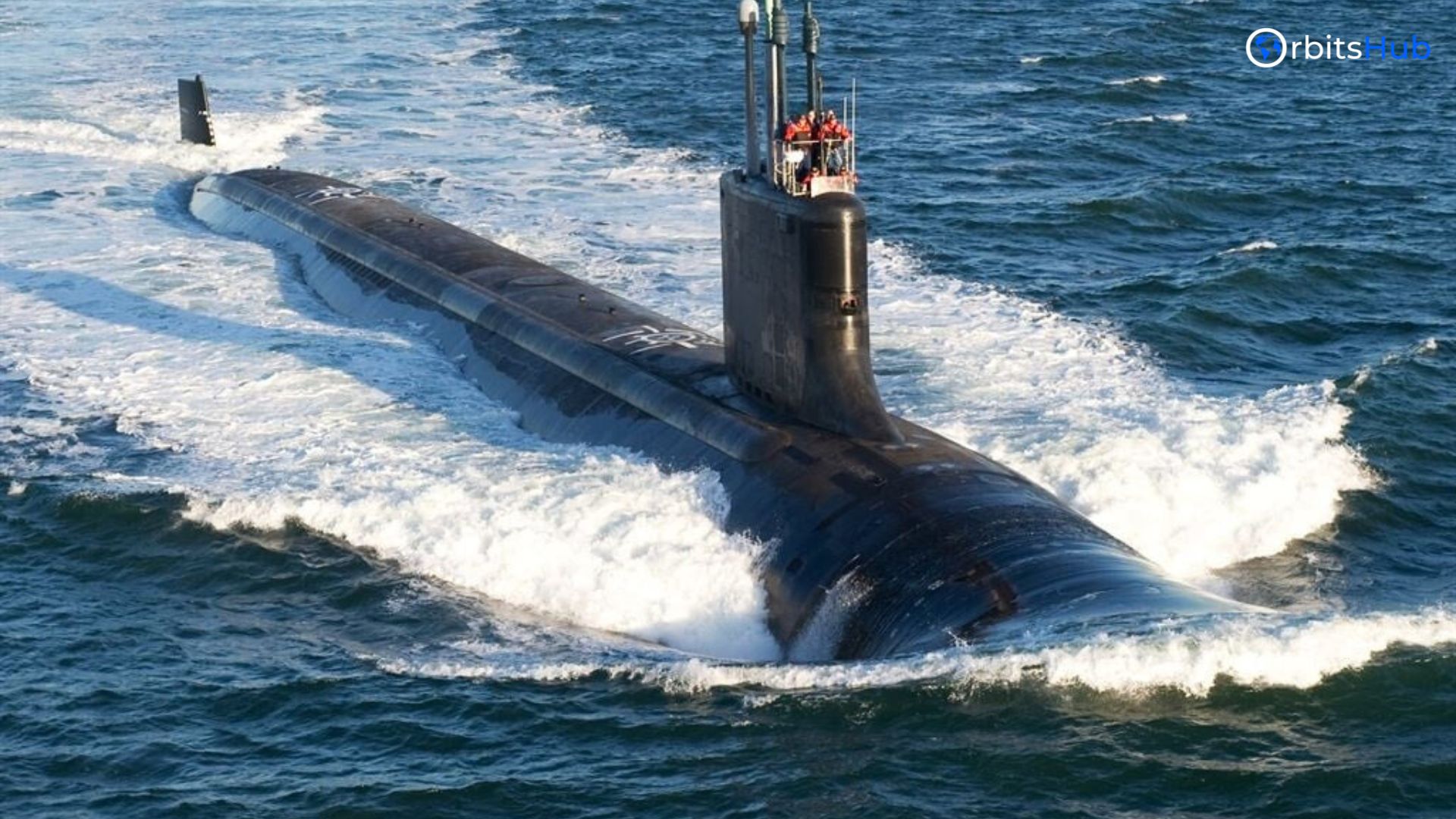
Imagine a vessel cloaked in inky darkness, gliding silently beneath the ocean waves. This isn’t a scene from science fiction; it’s the reality of nuclear submarines. Powered by the immense potential of nuclear energy, these underwater giants redefine underwater exploration and military might. We’ll delve into the world of nuclear submarines, exploring their unmatched capabilities, the fascinating technology behind them, and their impact on the global maritime landscape. We’ll also peer into the future, uncovering the cutting-edge advancements that promise to make these silent titans even more formidable.
Underwater Endurance: How Nuclear Power Makes a Difference
Unlike conventional diesel-electric submarines that require frequent surfacing for refuelling, nuclear-powered submarines boast an unmatched operational edge. Their secret lies in a compact nuclear reactor onboard. This reactor splits atoms in a controlled chain reaction, releasing tremendous heat. This heat boils water to create high-pressure steam, which then spins turbines to generate electricity and propel the submarine.
Here’s how nuclear power elevates a submarine’s capabilities:
- Unmatched Range and Endurance: Nuclear reactors are incredibly efficient, allowing submarines to operate underwater for months, limited only by crew provisions and maintenance needs. This extended range makes them ideal for long-distance patrols, covert operations, and strategic deployments.
- Unwavering Stealth: Diesel engines require air intake, forcing conventional submarines to surface regularly, compromising their stealth. On the other hand, nuclear subs can remain submerged for extended periods, maintaining their invisibility – a crucial advantage in modern warfare.
- Unmatched Power: The immense energy output of a nuclear reactor translates to formidable propulsion. Nuclear submarines can achieve incredible underwater speeds and maintain them for long durations, giving them a tactical edge during manoeuvres and pursuits.
Beyond Military Might: The Broader Applications of Nuclear Submarines
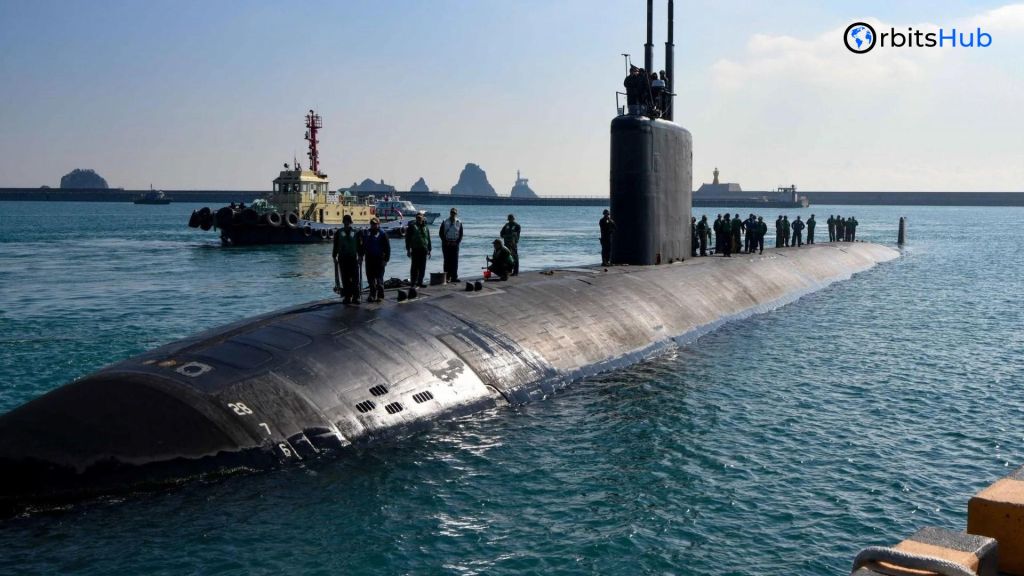
Nuclear submarines aren’t just potent military tools but vital in scientific exploration and research. Their extended range allows them to access remote regions of the ocean depths, gathering valuable data on marine life, geography, and oceanographic phenomena.
Furthermore, nuclear submarines can be instrumental in undersea search and rescue operations. Their manoeuvrability and ability to operate at great depths make them well-suited for locating and assisting distressed vessels.
Nuclear Power: Balancing Benefits and Concerns
While the advantages of nuclear-powered submarines are undeniable, concerns regarding nuclear safety and environmental impact exist. The potential for reactor accidents and the safe disposal of spent nuclear fuel are significant issues requiring constant vigilance and strict safety protocols.
However, advancements in nuclear technology have significantly improved safety features and waste management practices. Because of their many safety features and redundant systems, modern atomic reactors are far less likely to have accidents. Additionally, robust regulations govern the handling and disposal of spent nuclear fuel to ensure minimal environmental impact.
The Global Landscape of Nuclear Submarines
Nuclear submarines are a powerful strategic asset, and several nations possess or are developing these underwater giants. Here’s a glimpse into the key players:
- The United States: The US Navy boasts the world’s largest fleet of nuclear submarines, with attack and ballistic missile submarines (SSBNs) forming the backbone of their underwater deterrence strategy.
- Russia: Russia maintains a significant force of atomic submarines, focusing on modernizing its ageing fleet and developing next-generation vessels.
- China: China’s nuclear submarine program has rapidly expanded in recent years, developing advanced attack submarines and SSBNs to bolster its naval power.
- The United Kingdom and France: The UK and France possess nuclear-powered ballistic missile submarines, playing a crucial role in their nations’ nuclear deterrence capabilities.
- India: India’s indigenous nuclear submarine program has made significant strides, with the Arihant-class submarines marking a major milestone in the country’s quest for nuclear deterrence.
The Future of Nuclear Submarines: Technological Advancements

The world of nuclear submarines is constantly evolving, with new technologies on the horizon promising even greater capabilities:
- Quieter Propulsion Systems: One of the critical areas of development is silent propulsion systems. These advanced technologies aim to minimize noise signatures, making nuclear submarines even stealthier.
- Nuclear Reactors with Higher Efficiency: Research into more efficient reactor designs is ongoing. These next-generation reactors offer longer operational ranges and potentially reduce refuelling intervals.
- Integration of Artificial Intelligence: The potential for incorporating artificial intelligence (AI) into submarine operations is being explored. AI could assist with navigation, target identification, and even tactical decision-making, enhancing overall mission effectiveness.
- Underwater Drones and Uncrewed Vehicles: Seamlessly integrating underwater drones and uncrewed vehicles with nuclear submarines is another exciting development. These unmanned platforms can extend a submarine’s reach and capabilities, allowing for enhanced surveillance and intelligence gathering.
Nuclear submarines remain a cornerstone of modern naval power and a marvel of technological innovation. Their extended range, unparalleled stealth, and formidable power make them invaluable assets for maritime security and scientific exploration. As advancements in nuclear technology continue, we can expect even safer and more efficient atomic submarines to navigate the depths in the years to come.
Orbitshub has a wide range of maritime and aviation consultancy services, from technical expertise to strategic planning. Visit Orbitshub today and explore how we can help you navigate the exciting world of maritime and aviation!