The development of hydrogen-powered aircraft is a step toward a more environmentally friendly aviation industry. Airline companies are under pressure to find greener ways to fly as a result of the worldwide effort to curb carbon emissions and combat climate change. The green revolution is being led by hydrogen, a fuel with zero carbon emissions and a high energy density. This dives into the technology, advantages, disadvantages, and future of hydrogen-powered aircraft in aviation, which have recently increased.
The Technology Behind Hydrogen-Powered Aircraft
Understanding Hydrogen Fuel
Hydrogen has tremendous promise as a sustainable energy source since it is both the most common element and plentiful in the cosmos. The aviation industry has two primary uses for hydrogen.:
- Hydrogen Combustion Engines: Similar to traditional jet engines, they are modified to burn hydrogen instead of kerosene.
- Hydrogen Fuel Cells: These generate electricity through a chemical reaction between hydrogen and oxygen, powering electric motors to drive the aircraft’s propellers or fans.
Both methods significantly reduce greenhouse gas emissions, with fuel cells having the added benefit of producing only water vapour as a byproduct.
Technological Advancements
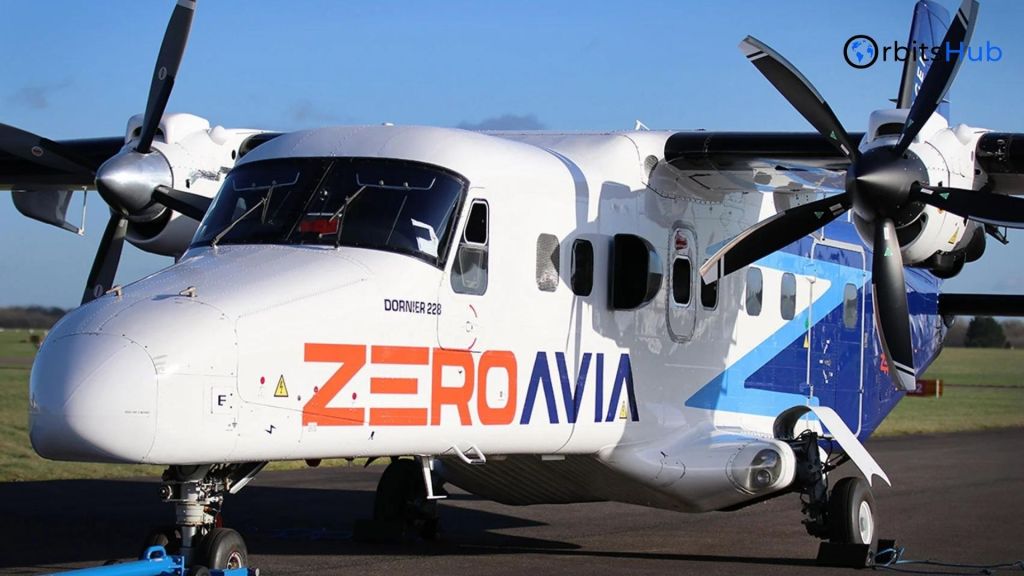
Recent hydrogen storage and fuel cell technology advancements are paving the way for practical hydrogen-powered aircraft. Lightweight, high-strength tanks are being developed to store hydrogen at high pressures, addressing one of the main challenges of hydrogen’s low energy density by volume. Additionally, fuel cell efficiency and power output improvements are making them more viable for use in larger aircraft.
Benefits of Hydrogen-Powered Aircraft
Environmental Impact
The most compelling advantage of hydrogen-powered aircraft is their potential to reduce the aviation industry’s carbon footprint drastically. Unlike conventional jet fuel, hydrogen combustion produces no carbon dioxide. When used in fuel cells, the only byproducts are water and heat, making hydrogen an immaculate fuel source.
Energy Efficiency
Hydrogen has a higher energy content per kilogram than traditional aviation fuels. This means that pound-for-pound hydrogen can provide more energy, allowing longer flight ranges and more efficient fuel usage. Furthermore, hydrogen fuel cells can be more efficient than internal combustion engines, converting a higher percentage of the fuel’s energy into usable power.
Noise Reduction
Because hydrogen fuel cells are far less noisy than conventional Jet engines, they have the potential to lessen significantly airport noise pollution and enhance the living conditions of individuals residing in the vicinity. This can potentially loosen night-flight regulations, giving airlines more leeway.
Challenges and Considerations
Infrastructure Development
There has to be more preexisting infrastructure for hydrogen-powered aircraft, which is a significant obstacle. Airports need to develop new hydrogen storage, production, and refuelling facilities. Governments, airports, and airlines must put much money into this and work together.
Cost Implications
Hydrogen is more costly to generate and transport than regular jet fuel. New planes, engines, and refuelling stations all cost a significant penny upfront. Hydrogen in aircraft is still expensive, but that should change as technology improves and economies of scale kick in.
Safety Concerns
Handling and storing hydrogen cautiously is essential due to its severe flammability. Developments in materials science and engineering are tackling problems like these. There must be strict safety regulations and guidelines before broad adoption can occur.
The Future of Hydrogen-Powered Aviation

Industry Initiatives
Several major aerospace companies are actively developing hydrogen-powered aircraft. Airbus, for example, has announced plans to have a hydrogen-powered commercial aircraft ready by 2035. Their ZEROe concepts include three different hydrogen-powered aircraft designs, showcasing the versatility and potential of this technology.
Government Support
Governments throughout the globe are beginning to see hydrogen’s promise as a sustainable energy source and are providing financial and regulatory assistance for research and development. The Clean Aircraft Joint Undertaking is a European initiative to hasten the creation of environmentally friendly aircraft technology, such as hydrogen propulsion.
Long-Term Vision
While hydrogen-powered aircraft are still in the early stages of development, the long-term vision is promising. As technology improves and infrastructure is developed, hydrogen has the potential to become a mainstream fuel source for aviation, contributing significantly to the industry’s sustainability goals.
Pioneering Projects and Case Studies
Airbus ZEROe Concepts
Airbus is leading the charge with its ambitious ZEROe project, which includes three hydrogen-powered aircraft concepts: a turbofan, a turboprop, and a blended-wing body. These designs aim to demonstrate the feasibility of hydrogen as a fuel for commercial aviation. The turbofan and turboprop concepts are based on conventional aircraft designs, while the blended-wing body represents a more radical departure, offering greater fuel efficiency and reduced emissions. Airbus plans to have a hydrogen-powered aircraft ready for commercial service by 2035, setting a bold precedent for the industry.
Other Notable Projects
Several other companies and research institutions are also exploring hydrogen-powered flight. For instance, ZeroAvia, a California-based startup, completed test flights of its hydrogen-electric aircraft, showcasing the potential for short-haul regional flights. Additionally, Boeing is investing in hydrogen research, exploring combustion and fuel cell technologies for future aircraft designs. These pioneering projects highlight the growing interest and investment in hydrogen aviation.
The Role of Renewable Energy in Hydrogen Production
Green Hydrogen
Hydrogen must be produced eco-friendly for aircraft powered by it to add to sustainability. One option that doesn’t contribute to climate change is green hydrogen, which is made by electrolyzing water using renewable energy sources like wind, sun, and hydropower. There will be no emissions if the power that divides water into hydrogen and oxygen originates from renewable sources. Building a reliable, environmentally friendly hydrogen supply system is crucial to the widespread adoption of hydrogen-powered aircraft.
Integrating Renewable Energy and Aviation

To facilitate hydrogen generation, airports and airlines are investigating the possibility of incorporating renewable energy sources into their operations. For instance, several airports are contemplating installing solar panels and wind turbines to produce hydrogen on-site. This leads to fewer carbon emissions from hydrogen production and more reliable energy sources. The aviation industry may accomplish its environmental goals by utilizing renewable energy.
In the fight for environmentally friendly aviation, the proliferation of hydrogen-powered planes is a giant leap forward. One exciting prospect for the aviation industry’s long-term future is hydrogen-powered planes, which could drastically reduce pollution, energy waste, and carbon emissions. A new age in aviation is on the horizon, thanks to persistent improvements in infrastructure and technology and robust support from both the private and public sectors.
To learn more about the latest developments in hydrogen-powered aircraft and other aviation innovations, explore our website, OrbitsHub, a maritime and aviation consultancy.