Aerodynamics is the science of how air interacts with solid objects, and when it comes to aircraft, it plays a crucial role in their efficiency and performance. Whether you’re a seasoned pilot or simply an aviation enthusiast, understanding the influence of aerodynamics on how planes fly can provide valuable insights. From fuel efficiency to speed, aerodynamics directly impacts an aircraft’s operation.
The design and engineering of aircraft consider numerous factors related to aerodynamics. These include lift, drag, thrust, and weight, all of which influence how an aircraft behaves in the sky.
The Fundamentals of Aerodynamics and How It Affects Aircraft
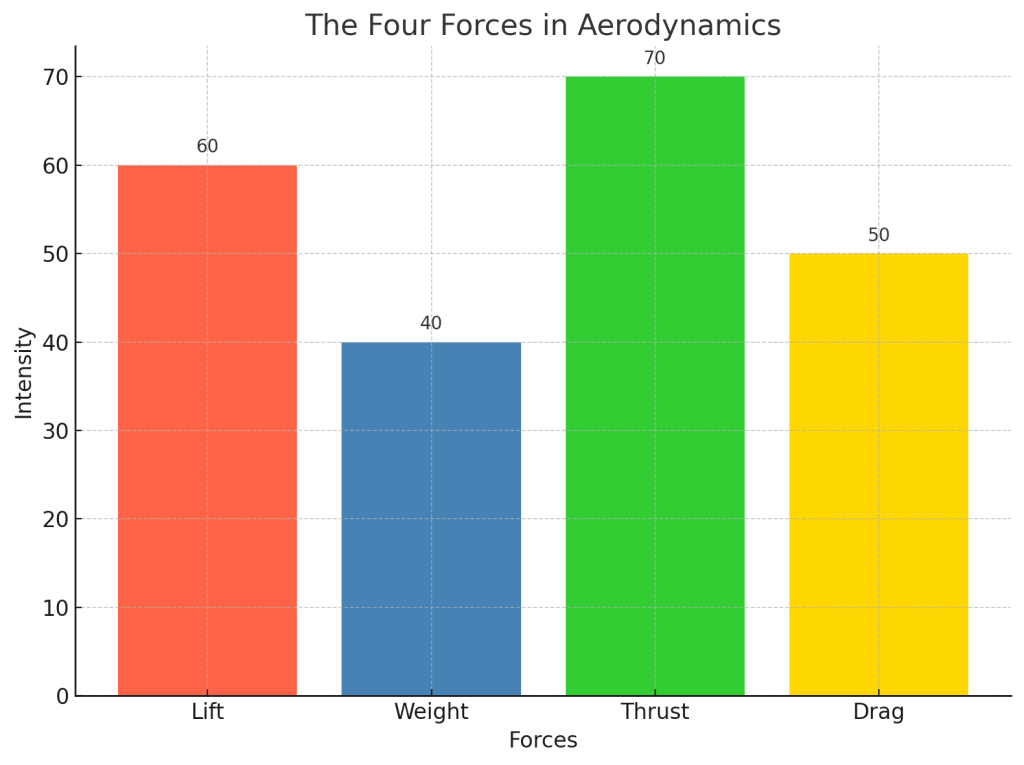
At its core, aerodynamics involves understanding the forces that affect an aircraft as it moves through the air. These forces are vital in determining how efficiently the plane operates. The four fundamental forces acting on an aircraft are:
- Lift – the force that pushes the plane upwards, counteracting gravity.
- Weight – the force pulling the aircraft downward due to gravity.
- Thrust – the forward force generated by engines, propelling the aircraft forward.
- Drag – the resistance the aircraft faces as it moves through the air.
For any aircraft to be efficient, these forces must be carefully balanced. The role of aerodynamics is to design an aircraft that minimizes drag while maximizing lift. By doing so, an aircraft can maintain better fuel efficiency and a higher level of performance.
How Aerodynamics Influences Aircraft Speed and Fuel Efficiency
One of the primary reasons aerodynamics is such a key factor in aircraft design is its impact on speed and fuel consumption. Let’s break this down further.
Minimizing Drag for Improved Fuel Efficiency
Drag is the mechanical force that makes the plane move backward. Cutting down on drag is a key part of making fuel use more efficient. There are two main types of drag that aircraft face:
- Parasite Drag: This type of drag increases with the aircraft’s speed and is caused by the friction between the air and the aircraft’s surfaces.
- Induced Drag: This type of drag is related to the aircraft’s lift and increases when the aircraft’s angle of attack is higher.
Efficient aerodynamic designs work to reduce both types of drag. For instance, the sleek, smooth shape of an aircraft minimizes parasite drag. Engineers also carefully design wings to reduce induced drag.
Improved Speed with the Right Aerodynamics
The relationship between aerodynamics and speed is just as vital. To achieve high speeds, aircraft need to have a design that reduces resistance while maximizing thrust. By creating an aircraft with a streamlined design, drag is minimized, allowing the plane to cut through the air more effectively.
A well-designed wing, which is one of the most critical components of an aircraft, plays a huge role in this. The curvature and angle of the wing can reduce drag, allowing the aircraft to reach higher speeds with less effort. Additionally, the use of modern materials such as composites helps reduce weight while maintaining strength, contributing to higher speeds.
The Role of Wing Design and Materials in Aircraft Performance
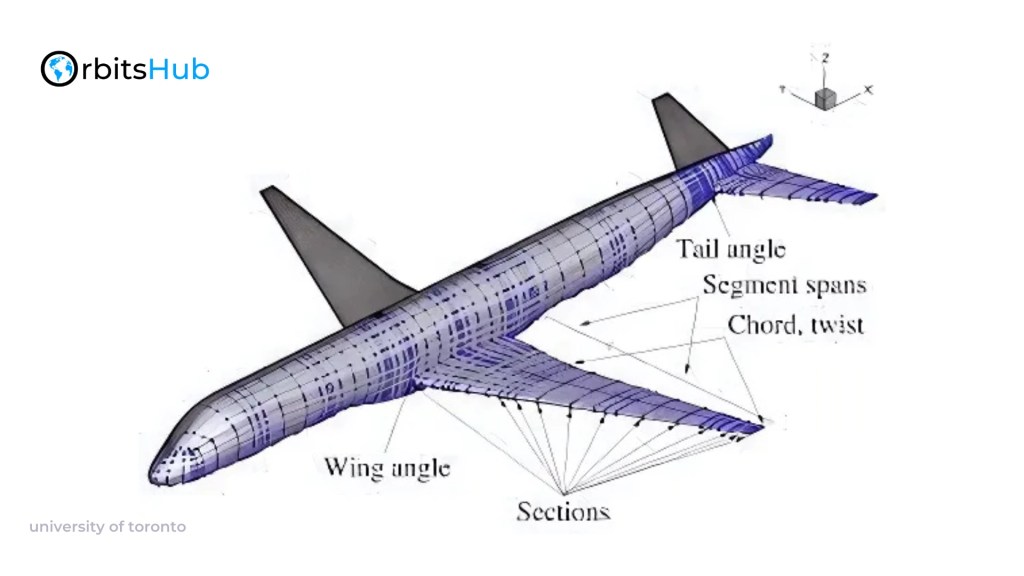
Wing design is an integral part of optimizing an aircraft’s aerodynamic performance. The wings of an airplane change the flow of air to create lift, and the form and size of the wings directly affect how well the plane works as a whole.
The Significance of Wing Shape
The shape of the wing, also known as the airfoil, is designed to take advantage of the Bernoulli principle, which states that an increase in the velocity of air over the wing generates lower pressure. This pressure difference creates lift. The angle at which the airfoil meets the airflow, known as the angle of attack, also plays a key role in how the aircraft generates lift.
Aircraft manufacturers continuously study and tweak wing designs to create shapes that optimize lift and reduce drag. Modern aircraft often have wings with a slightly curved upper surface, known as a cambered wing, which further aids in improving aerodynamic efficiency.
Materials for a More Efficient Aircraft
Materials used in aircraft construction are also essential to achieving efficient aerodynamic performance. Traditional materials like aluminum are now being replaced by lighter, more durable composites such as carbon fiber. These materials reduce weight, which allows the aircraft to carry more passengers and cargo or use less fuel.
In fact, lighter aircraft experience less drag, and less weight means less fuel consumption for a given speed. These improvements in materials and wing design contribute to the development of fuel-efficient aircraft that are better equipped to meet environmental standards.
Technology and Computational Methods Advancing Aerodynamics
The role of technology in advancing aircraft aerodynamics cannot be overstated. In the past, engineers relied on physical wind tunnels to test their designs, but now computational methods and advanced simulations have revolutionized the way aerodynamics are studied and improved.
Computational Fluid Dynamics (CFD)
CFD is a branch of aerodynamics that uses advanced algorithms and computer models to simulate airflow around an aircraft. This technology enables engineers to virtually test their designs without the need for costly and time-consuming physical tests. Computational Fluid Dynamics (CFD) has allowed for more precise tweaks to aircraft design, leading to enhanced performance and greater fuel efficiency.
Wind Tunnel Testing
Although CFD is widely used, wind tunnels still serve as an important tool for validating aerodynamic designs. These controlled environments allow engineers to replicate real-life flight conditions and test various design modifications. With both CFD and wind tunnel testing, aircraft manufacturers are able to push the boundaries of aerodynamics to achieve the best performance possible.
The Future of Aerodynamics in Aircraft Design
As we look to the future of aircraft, aerodynamics will continue to play a central role in the design of more sustainable and efficient planes. The industry is increasingly focused on reducing emissions and fuel consumption to meet stringent environmental standards.
Electric Aircraft and Aerodynamics
The development of electric airplanes is one of the most exciting changes in aviation technology. These aircraft will need to be designed with aerodynamics in mind to ensure that they can fly efficiently, even with smaller, lighter engines. Engineers are working on creating designs that reduce drag and optimize lift, helping to improve the efficiency of electric aircraft.
Sustainable Aviation and Green Technologies
As the aviation industry moves towards sustainability, aerodynamics will be key to making that vision a reality. The design of new, greener aircraft will incorporate advanced aerodynamic principles to reduce fuel consumption and emissions. This includes optimizing wing shapes, using lightweight materials, and reducing drag to increase the efficiency of future planes.
Frequently Asked Questions
1. How does aerodynamics affect fuel efficiency in airplanes? Aerodynamics reduces drag and optimizes lift, which helps airplanes use less fuel to fly, making them more efficient.
2. What role do wing designs play in an aircraft’s performance? Wing designs help generate lift while minimizing drag, allowing the aircraft to fly efficiently at higher speeds.