Maritime history has always been a captivating journey into the past, revealing the evolution of ship design and the rich heritage associated with seafaring. One of the most intriguing aspects stern of a ship, a critical element that not only contributes to functionality but also holds historical significance. In this exploration of the stern of a vessel, we delve into its role in maritime heritage and design.

Understanding the Stern
Definition and Components
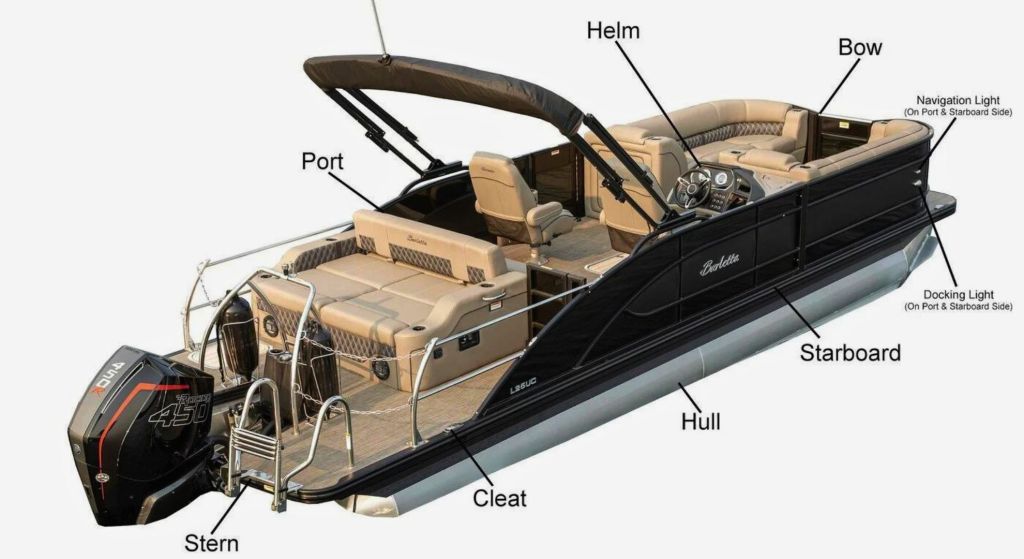
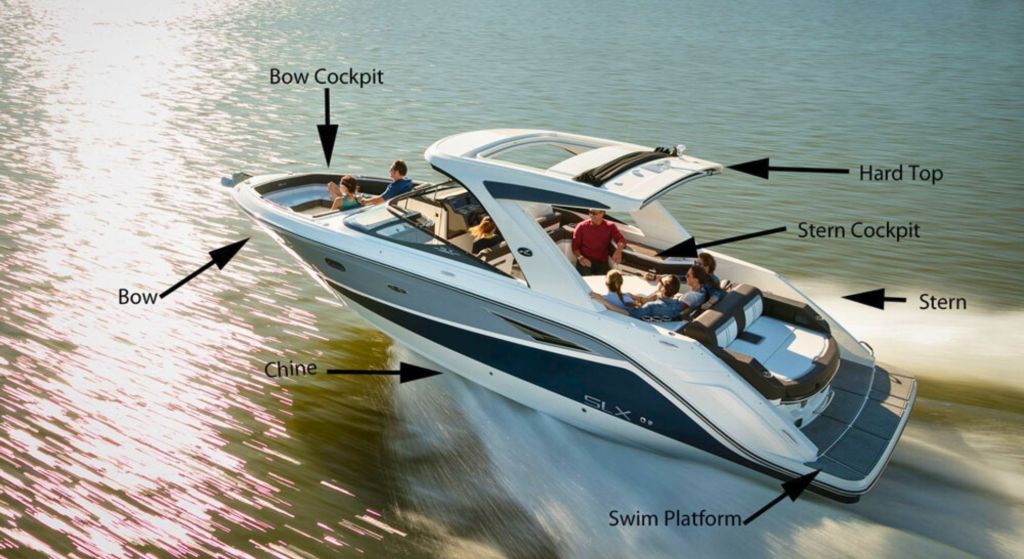
The stern of a ship refers to its rear section. Its function in stability and steering is vital. Understanding its components is essential to grasp its significance. The transom, rudder, and sternpost collectively shape the stern’s structure. The transom forms the back surface, the rudder controls direction, and the sternpost connects the rudder to the ship.
Historical Evolution
The evolution of the stern design is a fascinating journey through time. From early flat transoms to the iconic tuck sterns of the 19th century, each era brought innovations influenced by function and aesthetics. Exploring these changes unveils the technological advancements and cultural influences that shaped maritime history.
The Aesthetics of Stern Design
A Marriage of Form and Function
The stern of a ship is not merely a practical element; it is a canvas for artistic expression. Different shipbuilding cultures have contributed unique designs, combining functionality with aesthetic appeal. The sweeping lines of a clipper ship‘s elliptical stern or the grandeur of a galleon’s decorative transom showcase the intricate balance between form and function.
Cultural Influences
Cultural diversity is evident in stern designs worldwide. The ornate carvings on Chinese junks, the intricate scrollwork on Viking longships, and the sleek simplicity of Mediterranean galleys reflect the cultural nuances embedded in maritime heritage. Understanding these influences enriches our appreciation for the diversity in ship design.
The Significance of Stern in Maritime Heritage
Identifying Historical Vessels
The stern of a ship serves as a distinctive feature, aiding historians and enthusiasts in identifying vessels from different eras. Examining the stern’s style, ornamentation, and structural elements provides valuable clues about a ship’s origin, purpose, and historical context. This identification process is crucial for preserving and celebrating maritime heritage.
Symbolism and Traditions
Beyond its functional aspects, the stern carries symbolic significance. In many cultures, ships were adorned with symbols and figures on their sterns, representing beliefs, deities, or historical events. These symbolic elements contribute to the rich tapestry of maritime traditions, connecting the past with the present.
Notable Stern Designs in History
The Tuck Stern
In the 19th century, we witnessed the rise of the tuck stern, characterized by a concave shape elegantly curved inward. This design, popular in clipper ships, not only improved hydrodynamics but also became synonymous with speed and grace. The Flying Cloud, a renowned clipper ship, exemplifies the beauty and efficiency of the tuck stern.
The Counter Stern
The counter stern, prevalent in the 18th century, featured a flat transom with a slight overhang. This design provided a larger deck space and facilitated easier boarding. The HMS Victory, a legendary British warship, showcases the functionality and imposing presence of the counter stern.
Stern Ornamentation
The ornamental aspects of sterns have played a significant role throughout history. Elaborate carvings, often depicting mythical creatures, heraldic symbols, or national emblems, added a touch of grandeur to a ship’s stern. These intricate details reflected the era’s craftsmanship and conveyed the vessel’s and crew’s pride and identity.
Modern Applications and Innovations
Contemporary Stern Designs
Technological advancements in the modern maritime landscape have led to innovative stern designs. The plumb stern, characterized by a vertical transom, is commonly seen in contemporary vessels, emphasizing efficiency and stability. Understanding these modern adaptations helps bridge the gap between tradition and technology in ship design.
Sustainable Stern Design
As the world turns towards sustainability, shipbuilders are exploring eco-friendly stern designs. Hydrodynamic innovations like the Becker Marine Systems’ Flap Rudder enhance fuel efficiency and reduce environmental impact. The stern of a ship is now a window into history and a frontier for sustainable practices in maritime engineering.
Digital Reconstruction of Historical Sterns
Advancements in technology have enabled researchers to digitally reconstruct historical sterns, offering a virtual window into the past. Through 3D modeling and computer simulations, enthusiasts and scholars can explore the intricate details of stern designs from bygone eras, fostering a deeper understanding of maritime history.
The Future of Stern Design: Emerging Technologies and Trends
- Advanced materials and construction: Discuss how advancements in materials like composite structures or 3D-printed components could influence stern design and functionality.
- Propulsion innovations: Explore how alternative propulsion systems like electric or hybrid engines might necessitate changes in stern design.
Autonomous navigation: Discuss how the rise of autonomous ships could lead to sterns optimized for sensor placement, manoeuvrability in close quarters, and improved efficiency.
FAQ’s
1. What is the stern of a ship?
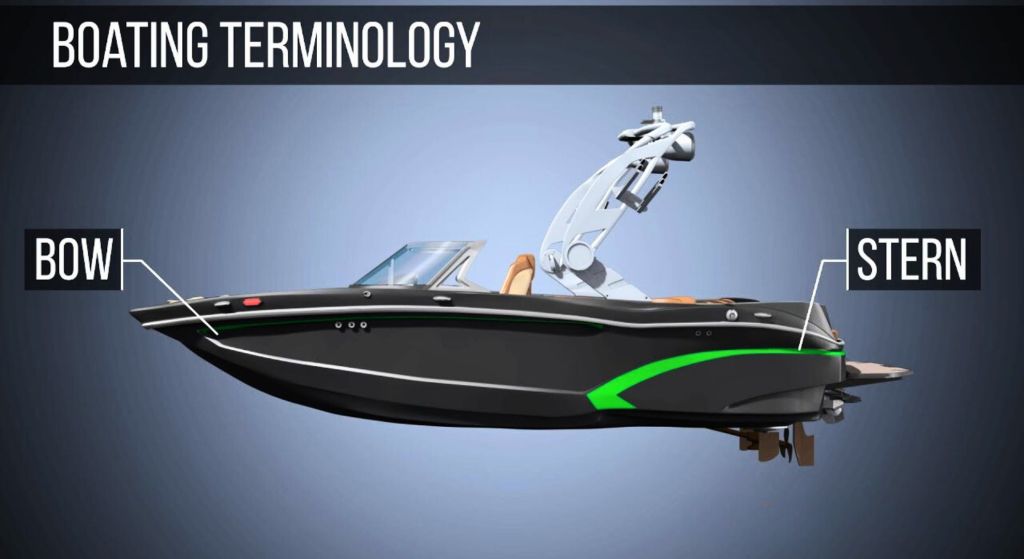
The stern of a ship refers to the rear or back part of the vessel. It is opposite to the bow, which is the front. The stern is essential for navigation and maneuvering, housing various components crucial for the ship’s operation.
2. What is the significance of the stern in ship design?
The stern, a pivotal component in ship design, significantly influences the vessel’s stability, maneuverability, and hydrodynamics. Its unique shape dictates the water flow around the ship, dictating its speed and efficiency.
3. What are some standard features found at the stern of a ship?
Standard features found at the stern include the rudder, which controls the ship’s direction, and the propeller, which provides propulsion. Additionally, navigation equipment, stern lights, and access points to lower decks or engine rooms may be present.
In the vast expanse of maritime history, the stern of a ship stands as a testament to human ingenuity, cultural diversity, and evolving design principles. From its humble beginnings as a functional component to its role as a canvas for artistic expression, the stern encapsulates the essence of maritime heritage. As we navigate the seas of the present and future, the stern continues to guide us, not just as a rudder but as a reflection of our journey through time and innovation.