Have you ever set sail on a grand cruise or admired a colossal cargo ship from afar? While these vessels appear monolithic from a distance, they are like intricate cities at sea, each with designated areas for specific purposes. The decks, essentially horizontal platforms running across the ship’s width, form the foundation of this organization. This ultimate guide dives deep into the deck of a ship, exploring its various types, functions, and unique experiences it offers. Whether you’re a seasoned sailor or a curious landlubber, this blog will equip you with the knowledge to navigate the different levels of a ship with confidence.
A Layered World: Different Types of Decks
Ships, especially larger ones, can have numerous decks, each serving a distinct purpose. Here’s a breakdown of some common types you’ll encounter:
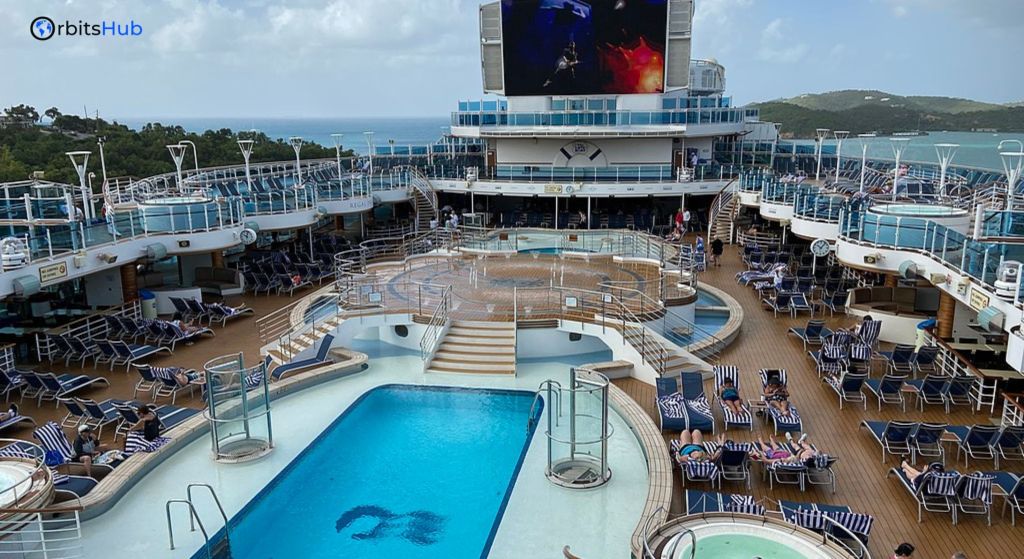
- Weather Deck: The weather deck is expose thematically to the elements. On passenger ships, it often houses amenities like swimming pools, sun loungers, and jogging tracks, offering passengers a space to soak up the sun and enjoy the sea breeze. Cargo ships utilize weather decks for essential equipment like lifeboats and cranes.
- Embarkation Deck: This deck is the passengers’ main entry and exit point. It usually houses the reception area, check-in counters, and passenger gangways for boarding and disembarking.
- Passenger Decks: These decks are dedicate to passenger cabins and public areas. They may include restaurants, bars, lounges, theatres, casinos, and children’s play areas. The number and configuration of passenger decks vary depending on the ship’s size and class.
- Cargo Decks: Locate towards the bottom of the ship, cargo decks are spaces specifically design to hold containers or bulk cargo on freight ships. These decks prioritize functionality and are often inaccessible to passengers for safety reasons.
- Navigation Bridge: Also known as the wheelhouse, this deck is the ship’s command centre. It houses essential navigation equipment like the helm, radar, and communication systems. Only authorized personnel, such as the captain and navigation officers, can access this critical area.
- Engine Room: Located in the lowermost sections of the ship, the engine room houses the powerful engines that propel the vessel. Due to complex machinery and potential safety hazards, this area is strictly off-limits to passengers.

A Deck for Every Activity: Exploring the Functionality
Beyond their classifications, decks also offer a diverse range of experiences for passengers:
- Sun Decks: Perfect for catching a tan, enjoying a refreshing drink, or simply relaxing with a book, sun decks provide ample space to bask in the sunshine and relish the sea views.
- Pool Decks: Take a refreshing pool, unwind on a poolside lounger, or participate in poolside activities – Pool decks are a hub for aquatic recreation and relaxation on cruise ships.
- Promenade Decks: Offering scenic walking paths along the outer perimeter of the ship, promenade decks are ideal for enjoying fresh air, capturing breathtaking ocean vistas, and indulging in a stroll.
- Lido Decks: Combining elements of pool decks and sun decks, lido decks often feature swimming pools, whirlpools, and plenty of space for sunbathing, creating a vibrant atmosphere for passengers to socialize and unwind.
- Observation Decks: Located on the highest accessible decks, observation decks provide passengers with panoramic views of the surrounding seascapes. They are perfect for spotting marine life, capturing stunning photos, and enjoying the ocean’s vastness.

Navigating Your Way Around: Deck Markings and Signage
While exploring the various deck of the ship, you’ll encounter a system of markings and signage to help you find your way around efficiently. Here’s a quick guide to understanding these visual cues:
- Deck Numbers and Names: Decks are typically identified by numbers (often starting from the top deck with number 1) or names that reflect their function (e.g., Sun Deck, Lido Deck). Look for prominent signage at stairwells and elevators displaying deck numbers or names for easy reference.
- Directional Signs: Arrows and directional signs are strategically place throughout the decks to guide passengers towards restaurants, lounges, theatres, exits, and emergency assembly points. Pay attention to these signs to avoid getting lost, especially on larger ships.
- Stairwell Markings: Stairwells are another crucial element for navigating between decks. Look for markings indicating the decks accessible from each staircase, allowing you to plan your route efficiently.
- Emergency Exits and Muster Stations: All passenger ships must have emergency exit signs with clear visual markings. Familiarize yourself with the location of these exits on your designated deck. Identify your muster station, the assembly point in an emergency.
- Colour Coding Systems: Some cruise lines implement colour-coding systems to differentiate between passenger decks. Each deck might be assigned a specific color. This color could be reflected in carpeting, wall accents, or signage. This makes it easier to identify your current location and desired destination deck visually.
Charting Your Course on the High Seas
The deck of a ship is more than just a platform. It is a microcosm of activity. Offering a unique blend of functionality and leisure. Understanding the different types of decks helps you navigate a ship more efficiently. Knowing the purposes of various decks enhances your onboard experience.
Ready to embark on your maritime adventure? OrbitsHub, a leading marine and aviation consultancy, can be your trusted partner. From helping you choose the perfect cruise itinerary to navigating complex port logistics, our team of experts can ensure a smooth and unforgettable voyage.
FAQ’s
1. What is the deck of a ship?
The deck of a ship refers to the flat surface area that covers the hull, providing structural support and serving various purposes onboard.
2. What are the different levels of decks on a ship?
Ships typically have multiple decks, including the main deck (or weather deck), upper deck, promenade deck, and sometimes additional decks like the bridge deck or poop deck.