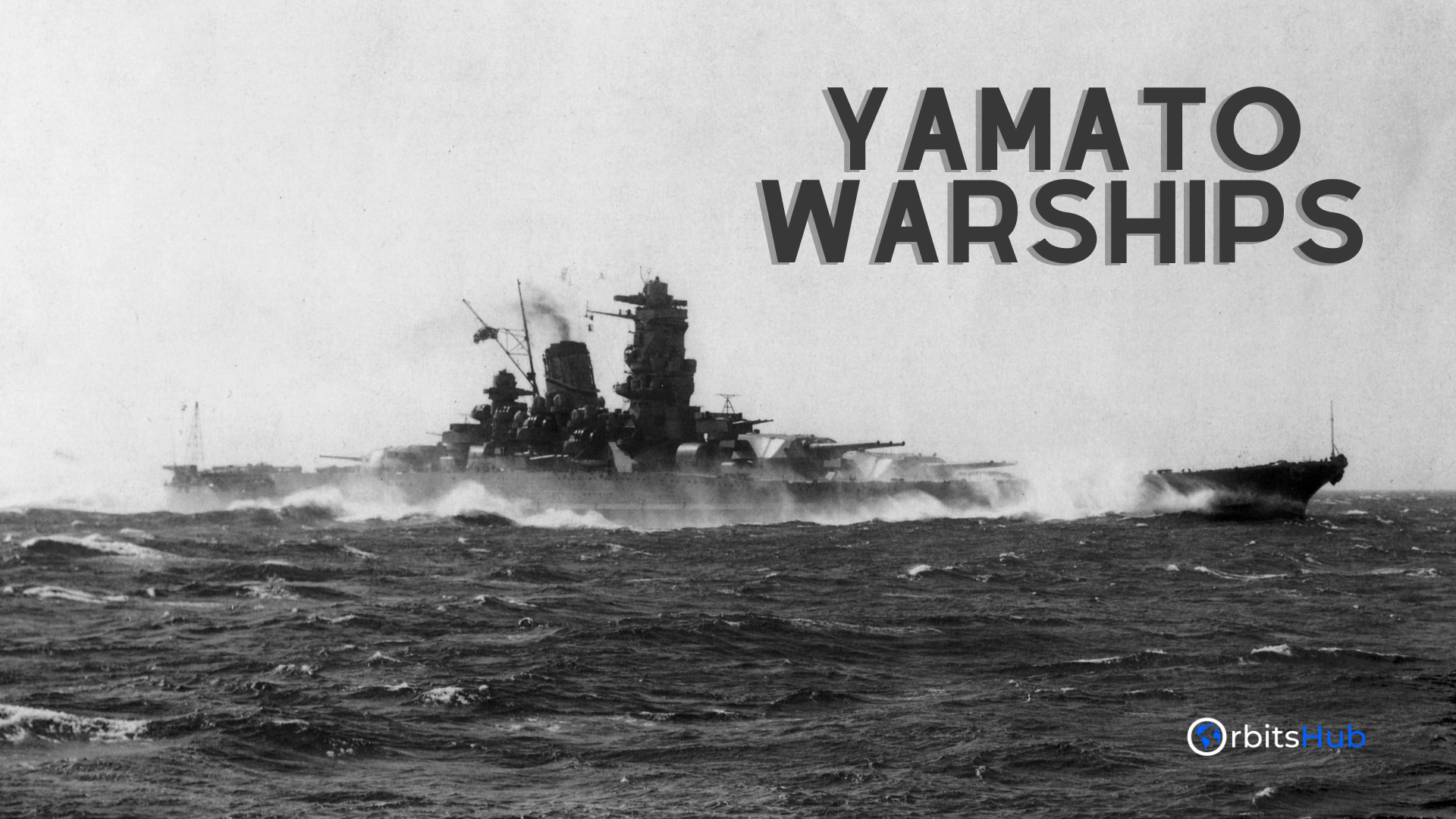
The Yamato Warship, a name that commands respect in naval history, remains one of the most impressive engineering feats of the 20th century. Built by Japan during the Second World War, the Yamato was a symbol of both the technological prowess and the immense pride of the Japanese Imperial Navy. With its sheer size, firepower, and advanced design, it was a force to be reckoned with. But despite its overwhelming power, the Yamato’s fate would serve as a reminder of the unpredictable nature of war.
The Birth of the Yamato Warship
In the late 1930s, the Japanese Imperial Navy began conceptualizing the idea of a battleship that could dominate the seas. The goal was clear – to create a ship that would surpass anything the world had ever seen, capable of carrying immense firepower, armour, and speed. The result was the Yamato Warship, which was launched in 1940.
The ship’s design focused heavily on increasing its firepower, with a main armament of nine 46cm (18.1 inch) guns. These massive cannons made the Yamato’s guns the largest ever mounted on any battleship in history. The decision to build such a colossal ship was driven by Japan’s growing military ambitions and the need to establish naval superiority in the Pacific.
A Titan on the Seas
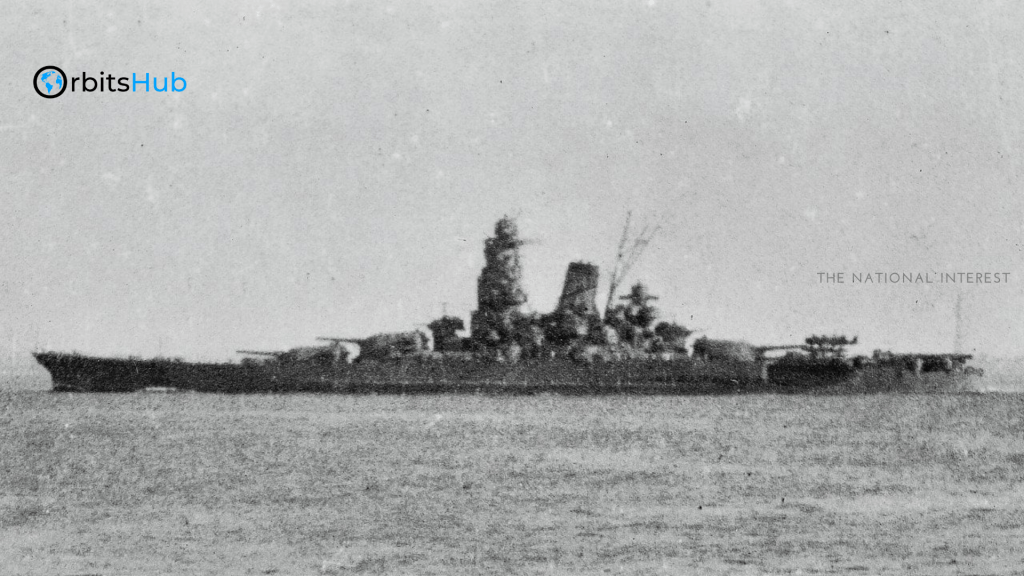
The Yamato was a titan of the seas, weighing in at an astounding 72,000 tons. It was longer than a football field, measuring 263 meters (863 feet) in length. Its beam stretched to 38 meters (125 feet), and it stood at 27 meters (89 feet) tall. Despite its enormous size, the ship was designed with a sleek, streamlined hull that gave it a relatively high speed for a ship of its size.
The ship’s armour was another remarkable feature. The Yamato boasted up to 410mm (16 inches) of steel armour on its belt, making it virtually invulnerable to most naval artillery of the time. Even its deck was armoured to withstand aerial bombing attacks. With a complement of over 2,500 officers and crew, the Yamato was both a marvel of military engineering and a floating city of sorts.
However, despite its overwhelming size and strength, the Yamato’s true test would come in battle.
Yamato’s Role in World War II
At the start of the war, the Yamato was intended to be a symbol of Japan’s naval supremacy, and it was often seen as the centrepiece of the Japanese Navy. However, its role in combat was limited. The ship’s first major engagement came during the Battle of Midway in 1942, though it did not participate directly in the battle. Instead, its size and power were meant to intimidate the enemy.
As the war progressed, Japan’s strategic situation became increasingly dire, and the Yamato’s role began to shift. It was deployed in several operations, including the Battle of Leyte Gulf in 1944, one of the largest naval battles in history. Here, the Yamato’s firepower was put to the test, but the ship found itself outgunned and outmatched by American aircraft and submarines.
The turning point for the Yamato came in 1945. By this time, Japan was on the brink of defeat, and the Yamato was tasked with a final, desperate mission: to sail to Okinawa and provide naval gunfire support for the Japanese army. However, this would be the last mission for the ship.
The Final Days of the Yamato

On April 7, 1945, as the Yamato made its way toward Okinawa, it encountered a fleet of American aircraft. Despite being heavily defended by its own anti-aircraft guns and escorts, the Yamato was bombed relentlessly by American bombers and torpedo planes. The Yamato started to sink after taking a few straight hits. At 2:23 PM, a huge blast in the ship’s forward magazine broke it apart and sent it to the bottom of the ocean.
The sinking of the Yamato was not just the loss of a ship; it was a symbol of Japan’s fading hopes of winning the war. The loss of such a powerful vessel in a futile mission underscored the harsh realities of war, where even the mightiest machines can fall to the power of technology and the unpredictability of battle.
Out of the 2,500 crew members aboard, only 280 survived the sinking. The Yamato’s final mission was a stark reminder of the changing nature of warfare, where air power, submarines, and new technologies would increasingly overshadow the traditional battleship.
The Legacy of the Yamato Warship
Though the Yamato Warship sank over 70 years ago, its legacy lives on. Today, the story of the Yamato is studied by naval engineers, historians, and enthusiasts alike. The ship’s construction was a remarkable achievement, showcasing the ingenuity and ambition of its creators. However, its tragic end also serves as a lesson about the limits of even the most advanced technology in the face of changing warfare tactics.
The Yamato remains a symbol of the strength and ambition of the Japanese Imperial Navy but also a reminder of the folly of putting all your hopes into a single, massive machine. The warship’s story is a blend of triumph and tragedy, of human innovation and the brutal realities of war.
Frequently Asked Questions
1. What was the Yamato Warship’s main armament?
The Yamato Warship’s primary armament consisted of nine 46cm (18.1 inch) guns, which were the largest ever mounted on a battleship.
2. Why was the Yamato Warship sunk?
The Yamato was sunk during a mission to Okinawa in 1945. It was attacked by American aircraft and ultimately sank after suffering multiple bomb and torpedo hits.