

Mitsubishi Heavy Industries (MHI)
Mitsubishi Heavy Industries is one of Japan’s leading shipyard companies, with a long-standing history dating back to the early 19th century. MHI’s shipbuilding division has been at the forefront of constructing various vessels, including commercial ships, tankers, and naval vessels. With its commitment to cutting-edge technology and environmental sustainability, MHI continues to deliver high-quality ships while reducing their carbon footprint.
Imabari Shipbuilding Co., Ltd.
Imabari Shipbuilding Co., Ltd., headquartered in Imabari City, is one of the largest shipyard companies in Japan. Known for its expertise in building bulk carriers, container ships, and LNG carriers, Imabari Shipbuilding has consistently achieved excellence in ship construction. The company is also actively involved in (R&D) research and development, exploring new materials and designs to enhance vessel efficiency and reduce fuel consumption.
Japan Marine United Corporation (JMU)
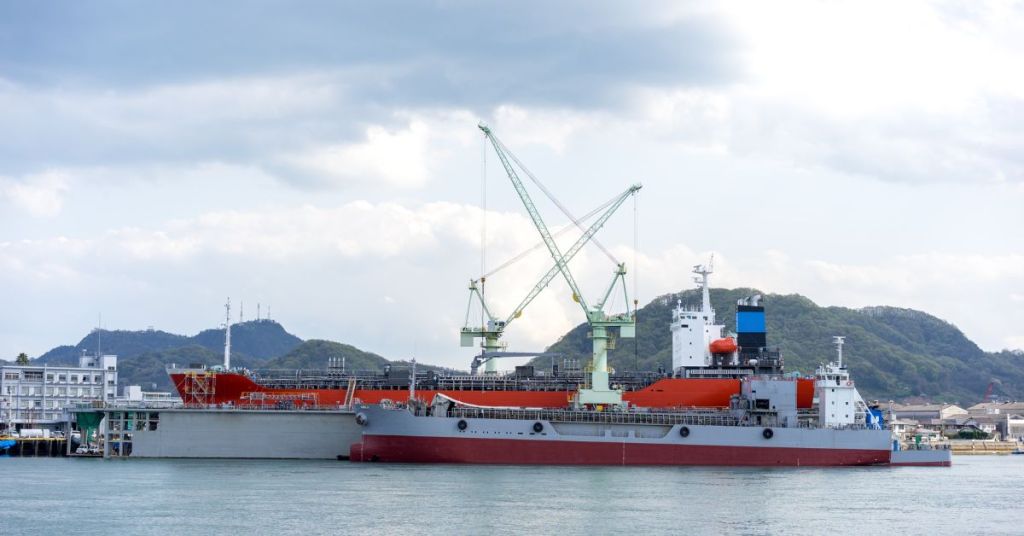
Japan Marine United Corporation is the result of a merger between three major shipbuilding companies in Japan. JMU’s shipyard facilities are spread across multiple locations and specialize in constructing advanced naval vessels, including destroyers and submarines. The company’s commitment to technological innovation and customer satisfaction has positioned it as a prominent player in the global defense industry.
Tsuneishi Shipbuilding Co., Ltd.
Tsuneishi Shipbuilding, based in Hiroshima, has established itself as a leading shipyard company specializing in building bulk carriers and container ships. With a strong focus on (E&E) efficiency and environmental sustainability, Tsuneishi Shipbuilding has introduced innovative designs, such as the Tsuneishi Economical Standard (TESS) series, which reduces fuel consumption and carbon emissions.
Kawasaki Heavy Industries, Ltd. (KHI)
Kawasaki Heavy Industries, a diversified multinational corporation, is involved in various industries, including shipbuilding. KHI’s shipyard division has a rich history of constructing technologically advanced vessels, such as liquefied natural gas (LNG) carriers and offshore support vessels. The company’s commitment to safety, quality, and environmental stewardship has earned it a prominent position in the global shipbuilding market.
Oshima Shipbuilding Co., Ltd.
Oshima Shipbuilding, located in Nagasaki, has gained recognition for its high-quality vessel construction, particularly in the bulk carrier segment. The company emphasizes energy efficiency and environmental protection, with a focus on developing eco-friendly ships. Oshima Shipbuilding’s dedication to technological advancements and collaboration with industry partners has contributed to its success in the global shipbuilding arena.
Universal Shipbuilding Corporation
Universal Shipbuilding Corporation, formed through the merger of two major shipbuilding companies, is a prominent player in Japan’s shipbuilding industry. The company specializes in constructing a wide range of vessels, including commercial ships, tankers, and ferries. Universal Shipbuilding Corporation’s commitment to safety, innovation, and customer satisfaction has garnered it numerous accolades and international recognition.
Mitsui E&S Holdings Co., Ltd.
Mitsui E&S Holdings, with its shipbuilding division Mitsui E&S Shipbuilding Co., Ltd., is actively engaged in constructing a diverse range of vessels, including container ships, bulk carriers, and defense vessels. The company’s shipyards are equipped with state-of-the-art facilities and employ cutting-edge technology to ensure the highest standards of quality and efficiency.
Shin Kurushima Dockyard Co., Ltd.
Shin Kurushima Dockyard is a renowned shipyard company known for its expertise in constructing various vessels, including car carriers, tankers, and LNG carriers. The company’s commitment to environmental sustainability is evident through its investment in research and development of alternative fuel technologies, contributing to the maritime industry’s transition towards cleaner energy sources.
Namura Shipbuilding Co., Ltd.

Namura Shipbuilding, established in 1884, is one of the oldest shipyard companies in Japan. Specializing in the construction of bulk carriers, tankers, and LNG carriers, Namura Shipbuilding has a strong focus on safety, quality, and timely delivery. The company’s long-standing reputation and commitment to customer satisfaction have positioned it as a reliable partner in the global shipbuilding market.
Innovative Shipyard Technologies in Japan 2023
Japan’s shipbuilding industry is renowned for adopting cutting-edge technologies that drive efficiency and innovation. In 2023, Japanese shipyards continue leading the way with advancements transforming ship construction and operations. These technologies enhance safety, reduce environmental impact, and improve vessel performance.
- Advanced Materials: Japanese shipyards use high-strength, lightweight materials like carbon fiber composites to improve vessel durability and fuel efficiency.
- Automated Systems: Integrating robotics and automation in shipyards streamlines production processes, reducing manual labor and increasing precision.
- Digital Twins: Digital twin technology allows real-time monitoring and simulation of ship performance, enabling predictive maintenance and better design optimization.
- Green Technologies: Shipyards are developing eco-friendly technologies, including energy-efficient engines and renewable energy solutions to minimize environmental impact.
Sustainable Practices Among Japan’s Leading Shipyards
Sustainability is a significant focus for Japan’s top shipyards in 2023, reflecting a global shift towards greener practices in maritime industries. These shipyards are implementing various strategies to reduce their environmental footprint and promote sustainable development.
- Energy Efficiency: Leading shipyards invest in energy-efficient technologies and practices to reduce fuel consumption and greenhouse gas emissions.
- Waste Management: Comprehensive waste management systems are in place to effectively handle by-products and scrap materials, minimizing environmental impact.
- Renewable Energy Integration: Several shipyards are incorporating renewable energy sources, like solar and wind power, to reduce their reliance on fossil fuels.
- Eco-Friendly Ship Designs: Innovative designs that focus on reducing drag and improving fuel efficiency are adopted, contributing to overall sustainability in shipbuilding.
How Japanese Shipyards Are Shaping Global Maritime Standards

Japanese shipyards are at the forefront of setting global standards in the maritime industry. Their influence extends beyond national borders, impacting international regulations and industry practices.
- Technological Leadership: By pioneering advanced technologies, Japanese shipyards set benchmarks that other international shipyards follow, influencing global maritime technology standards.
- Quality Assurance: Rigorous quality control measures and adherence to high safety standards ensure that Japanese shipyards produce some of the most reliable and efficient vessels worldwide.
- Regulatory Influence: Japanese shipyards actively participate in international maritime organizations, contributing to developing and refining global shipping regulations and standards.
- Innovative Practices: Their continuous research and development efforts lead to creative practices that shape global industry trends and set new standards in shipbuilding.
The Economic Impact of Top Japanese Shipyards in 2023
The economic influence of Japan’s leading shipyards is significant, with their activities contributing to both the domestic and global economies. In 2023, these shipyards play a crucial role in shaping economic outcomes.
- Employment Opportunities: Shipyards provide thousands of jobs, supporting local economies and contributing to workforce development in the maritime sector.
- Export Revenues: Exporting ships and related technologies generates substantial revenue, bolstering Japan’s trade balance and economic growth.
- Technological Advancements: Investments in advanced technologies and innovation drive economic benefits through increased productivity and competitive advantage in the global market.
- Infrastructure Development: The growth and expansion of shipyards contribute to infrastructure development, supporting other industries and enhancing regional economic prospects.
Comparing Shipyard Services: What Sets Japan’s Top Companies Apart
When comparing the services of Japan’s top shipyards, several distinguishing factors highlight what sets them apart in the global market. Each shipyard brings unique strengths and capabilities to the table.
- Service Diversification: Leading Japanese shipyards offer various services, including custom shipbuilding, repair, and maintenance, catering to various maritime needs.
- Technological Expertise: The advanced technological capabilities of Japanese shipyards provide them with a competitive edge, offering state-of-the-art solutions and high-quality craftsmanship.
- Customer Support: Excellent customer support and after-sales services ensure client satisfaction and long-term relationships, differentiating these shipyards from their global counterparts.
- Innovation and Adaptability: The ability to quickly adapt to industry changes and innovate in response to market demands sets Japan’s top shipyards apart from competitors worldwide.
Emerging Trends in Japanese Shipyard Design and Construction
In 2023, Japanese shipyards are embracing several emerging trends reshaping the ship design and construction landscape. These trends are driven by technological advancements, environmental concerns, and evolving industry needs.
- Modular Construction: Shipyards increasingly use modular construction techniques, where ships are built in separate sections that are assembled later. This approach improves efficiency, reduces construction time, and allows for better quality control.
- Smart Ship Technologies: Integrating intelligent technologies, including IoT (Internet of Things) sensors and advanced analytics, is becoming more common. These innovations improve operational efficiency and security by allowing for the optimization and real-time monitoring of ship performance.
- Hybrid and Electric Propulsion: The development of hybrid and entirely electric propulsion systems is gaining momentum to lessen dependence on fossil fuels and decrease pollution. Japanese shipyards are leading the way in incorporating these green technologies into new vessel designs.
- Advanced Simulation and Modeling: Utilizing sophisticated simulation and modeling tools allows shipyards to test and refine designs before physical construction begins. This helps identify potential issues early and optimize designs for better performance and efficiency.
Japan’s shipyard companies have consistently demonstrated their commitment to technological advancements, environmental sustainability, and customer satisfaction. The top 10 shipyard companies discussed in this article, including Mitsubishi Heavy Industries, Imabari Shipbuilding, and Japan Marine United Corporation, are leading the way in shaping the maritime industry in Japan and globally. With their expertise, innovation, and dedication, these shipyard companies are driving the growth and success of Japan’s shipbuilding industry in 2023 and beyond.



Comment(01)
Thank you so much for for shearing this is amazing. How can I be part of the company?