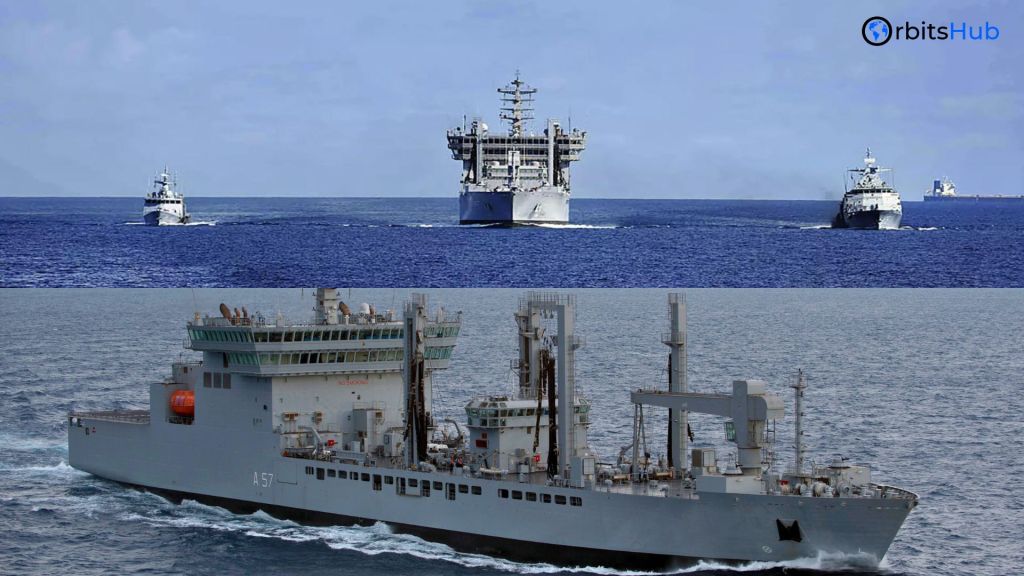
In a strategic move to bolster maritime cooperation and regional stability, the Indian Navy has dispatched three of its warships to the Philippines as part of an operational deployment to the South China Sea. This deployment, involving the guided-missile destroyer INS Delhi, fleet tanker INS Shakti, and anti-submarine warfare corvette INS Kiltan, aims to deepen the longstanding friendship and mutual understanding between the two nations.
India’s Commitment to the Indo-Pacific – Indian Navy Ships
The Indian Navy’s presence in the South China Sea is a testament to India’s growing commitment to the Indo-Pacific region. As a critical player in the geopolitical landscape, India has been actively strengthening its ties with Southeast Asian nations, including the Philippines, to promote maritime security and uphold the rules-based international order.
Aligning with the “Act East” Policy
This deployment is a part of India’s broader “Act East” policy, which has been a cornerstone of its foreign policy for over a decade. By expanding its maritime engagement in the region, India seeks to enhance regional connectivity, foster economic cooperation, and reinforce its strategic position as a regional power.
Countering China’s Assertiveness
The timing of this deployment also holds significant geopolitical implications. With China’s growing assertiveness in the South China Sea, the Indian Navy’s presence is a subtle reminder to Beijing about the importance of adhering to international norms and respecting maritime laws. This move is a strategic response to China’s attempts to assert its claims over the disputed waters.
Strengthening India-Philippines Maritime Cooperation
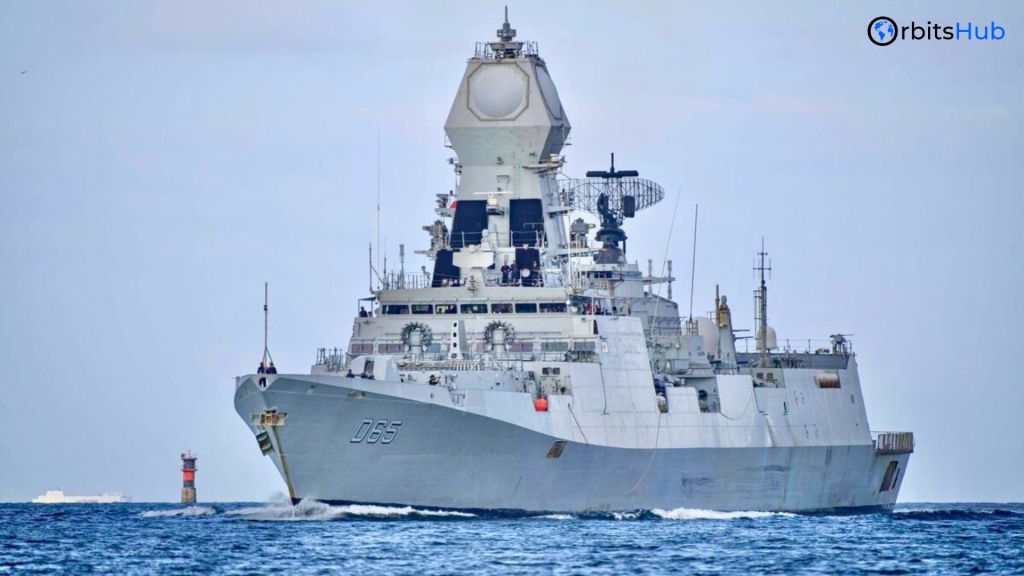
The Indian Navy ships’ visit to the Philippines is a testament to the growing defence and military cooperation between the two nations. This deployment is part of a broader effort to deepen existing ties and explore new avenues for collaboration.
Expanding Defense Partnerships
India and the Philippines have actively explored ways to enhance their defence and military cooperation in recent years. This includes signing an agreement to procure Indian-made anti-ship cruise missiles, a landmark deal that has paved the way for further defence collaborations.
Fostering Professional Interactions
During the visit, the Indian and Philippine navies will engage in various professional interactions, including subject matter expert exchanges, sports fixtures, cross-deck visits, cultural exchanges, and community outreach programs. These activities foster mutual understanding, share best practices, and strengthen the bonds between the two maritime forces.
Maritime Partnership Exercise (MPX): Indian Navy Ships
A vital deployment component is the planned Maritime Partnership Exercise (MPX) between the Indian Navy and the Philippine Navy. This joint exercise will provide an opportunity for the two navies to enhance their interoperability, share operational experiences, and strengthen their collective capabilities in the maritime domain.
Enhancing Regional Security: Indian Navy Ships
The MPX is a platform for military cooperation and a means to promote regional security and stability. The two navies can contribute to maintaining a free and open Indo-Pacific by engaging in such exercises. This shared goal aligns with the interests of the broader international community.
Expanding India’s Presence in the South China Sea
Deploying Indian Navy ships to the Philippines is part of a broader strategy to enhance India’s maritime presence in the South China Sea. This move is significant in India’s efforts to assert its influence and contribute to the regional security architecture.
Leveraging Strategic Partnerships
India has actively sought to strengthen its strategic partnerships with like-minded nations, such as the United States, Japan, Australia, and the Philippines, to create a more meaningful impact in the South China Sea. By coordinating their efforts, these countries can present a more unified front in countering China’s assertiveness in the region.
Diversifying Defense Cooperation: Indian Navy Ships
In addition to the Philippines, India has been expanding its defence cooperation with other Southeast Asian nations. This includes signing agreements for procuring Indian-made defence equipment, further solidifying India’s position as a reliable regional partner.
Promoting Regional Stability and Prosperity
Beyond the immediate strategic considerations, the Indian Navy’s deployment to the Philippines reflects a broader commitment to promoting regional stability and prosperity. By fostering maritime cooperation and enhancing regional security, India aims to contribute to the overall well-being of the Indo-Pacific.
Aligning with the Rules-Based International Order
India’s actions in the South China Sea are aligned with its support for the rules-based international order. By upholding international laws and norms, India seeks to create an environment where all nations can coexist peacefully and pursue their legitimate interests without fear of coercion or unilateral actions.
Enhancing Regional Connectivity: Indian Navy Ships
The Indian Navy’s presence in the region also complements India’s efforts to enhance regional connectivity through initiatives like the “Act East” policy. By strengthening maritime ties with the Philippines and other Southeast Asian nations, India aims to facilitate the free flow of trade, investment, and cultural exchanges, ultimately contributing to the region’s economic growth and development.
Navigating Potential Challenges: Indian Navy Ships
While the Indian Navy’s deployment to the Philippines is a significant step in strengthening regional maritime cooperation, it is not without its challenges. Policymakers and defence analysts have highlighted the need for a cautious approach to avoid potential escalation with China.
Mitigating the Risk of Confrontation
The presence of Indian warships in the South China Sea could potentially provoke an aggressive response from China, which has been increasingly assertive in the region. To mitigate this risk, India and its regional partners must engage in careful diplomacy and ensure that their actions are perceived as defensive and aimed at upholding international norms rather than directly challenging China’s claims.
Enhancing Coordination with Regional Allies
India must continue strengthening its coordination with regional allies and partners to create a more meaningful impact in the South China Sea. This includes aligning their strategies, sharing intelligence, and conducting joint exercises and patrols to present a united front against any potential aggression or violations of maritime laws.
India’s deployment of three Indian Navy Ships to the Philippines marks a milestone in its maritime cooperation with Southeast Asian nations and contribution to a free and open Indo-Pacific. India promotes regional stability and prosperity through professional exchanges, joint exercises, and defence cooperation. In the complex South China Sea geopolitics, India must balance defending its strategic interests and avoiding confrontation with China. By cooperating with regional allies and partners, India can use its rising naval capabilities to shape the Indo-Pacific area.
Do you want to learn more about cutting-edge aviation and maritime technology advancements? OrbitsHub, a leading consultancy service company specializing in these domains, can be your one-stop shop. Explore OrbitsHub to discover how their expertise can empower your organization.