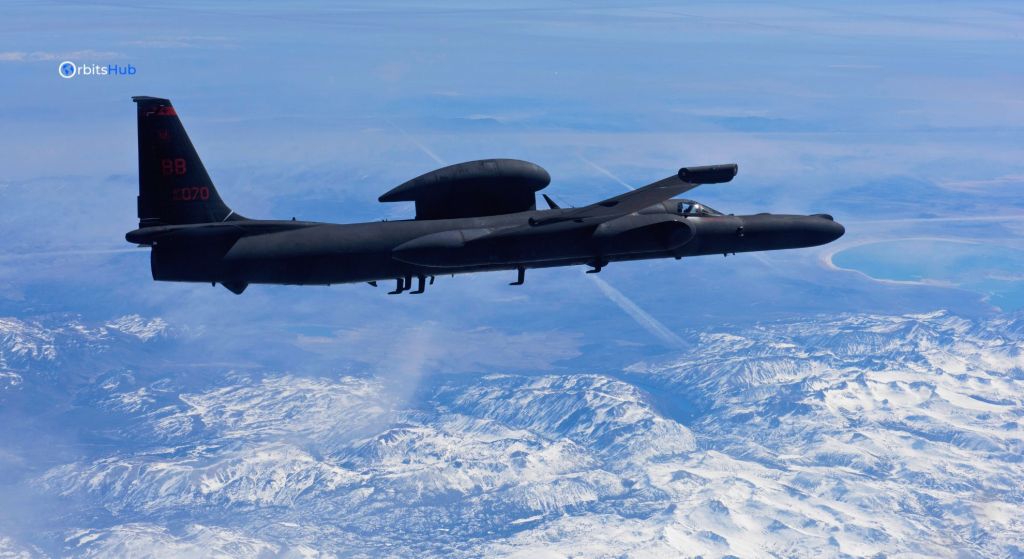
The U-2, a seemingly antiquated aircraft by modern standards, remains crucial in intelligence gathering. This iconic plane, soaring high above the reach of most air defences, has played a vital role in international affairs for over six decades. But how exactly does a relic from the Cold War era continue to shape global intelligence in the 21st century?
Unmatched High-Altitude Performance
The U-2’s primary strength lies in its ability to operate at altitudes exceeding 70,000 feet. This extreme flight ceiling places it far beyond the reach of most anti-aircraft missiles and fighter jets. This operational advantage allows the U-2 to gather sensitive information over hostile territories without risking pilot safety or compromising the aircraft.
Here’s a closer look at the U-2’s high-altitude advantage:
- Beyond Enemy Defenses: Traditional air defence systems are designed to counter threats at lower altitudes. The U-2 aircraft ‘s extreme flight path makes it virtually invisible to radar and inaccessible to most surface-to-air missiles.
- Unparalleled Coverage: Operating at such high altitudes allows the U-2 to capture vast swathes of territory in a single mission. This extensive coverage provides invaluable intel on troop movements, military installations, and potential threats.
- Superior Image Quality: The thin air at high altitudes creates exceptional clarity for the U-2’s advanced sensor systems. This translates into high-resolution imagery, crucial for detailed analysis of potential targets.
Evolving Technology Keeps the U-2 Relevant
While the U-2’s basic design remains unchanged, its capabilities have continuously been upgraded. Modern variants are equipped with sophisticated sensor packages, including:

- High-Resolution Cameras: These cameras capture detailed imagery of the ground below, providing analysts with sharp visuals for identification and target recognition.
- Advanced Signal Intelligence (SIGINT) Systems: SIGINT allows the U-2 to intercept and analyze electronic communications, offering valuable insights into enemy activities.
- Synthetic Aperture Radar (SAR): SAR can penetrate cloud cover and darkness, enabling the U-2 to gather intelligence even in challenging weather conditions.
These advancements ensure the U-2 aircraft remains a versatile and effective tool for modern intelligence gathering.
U-2 Reconnaissance Aircraft: A Valuable Asset in the Modern Era
The U-2’s unique capabilities make it a valuable asset in various intelligence-gathering scenarios:
- Monitoring Arms Control Agreements: The U-2 is crucial in verifying compliance with international nuclear weapons and missile proliferation treaties.
- Supporting Military Operations: U-2 flights provide vital intel on enemy troop movements, allowing for more strategic planning and safer operations for ground forces.
- Disaster Relief Efforts: Damage assessments following natural catastrophes can be aided by the U-2’s high-resolution images, which allows for more precise relief operations.
The U-2’s ability to operate discreetly at high altitudes, combined with its ever-evolving sensor technology, makes it a crucial tool for intelligence gathering in the complex geopolitical landscape of today.
U-2’s Impact Beyond Military Intelligence
The U-2 Reconnaissance Aircraft‘s influence extends far beyond military applications. Its high-altitude capabilities have proven valuable in various scientific and environmental fields:
- Mapping and Surveying: The U-2’s ability to capture vast swathes of territory makes it ideal for creating detailed topographical maps. This information is crucial for infrastructure development, resource exploration, and disaster response efforts.
- Environmental Monitoring: U-2 flights can track environmental changes, such as deforestation, pollution levels, and the spread of wildfires. This data is essential for environmental protection initiatives and policy development.
- Atmospheric Research: The U-2 can operate in the upper stratosphere, providing a unique platform for studying atmospheric phenomena like ozone depletion and weather patterns. More knowledge about climate change and its effects on Earth is a result of this study.
The U-2’s versatility highlights its ongoing contribution to scientific progress and environmental stewardship.
The Future of the U-2: Facing New Challenges
Despite its enduring relevance, the U-2 faces new challenges in the 21st century:
- Evolving Air Defense Systems: As technology advances, potential adversaries are developing sophisticated air defence systems that could threaten the U-2’s ability to operate undetected.
- Competition from Drones: The rise of high-altitude drones poses a potential threat to the U-2’s role in intelligence gathering. Drones offer similar capabilities at a lower cost.
- The Need for Modernization: While upgrades have kept the U-2 relevant, further modernization efforts might be necessary to ensure its effectiveness in the face of evolving threats.
The future of the U-2 hinges on its ability to adapt to these challenges. Continued upgrades and strategic deployment will likely be crucial for this iconic aircraft to remain a vital asset in the global intelligence landscape.
A Legacy of Intelligence Gathering: U-2 Reconnaissance Aircraft
The U-2’s story is a testament to the enduring value of well-designed and continuously upgraded technology. Despite its age, the U-2 remains a vital asset in the global intelligence community. As international security threats evolve, the U-2 will likely remain a key player in shaping global intelligence for years to come.
Ready to elevate your maritime or aviation operations? Explore the possibilities with orbitshub.com! Discover tailored consultancy services to navigate your industry challenges. To begin achieving greatness, contact us immediately.