For over six decades, the U-2 aircraft has been a whisper in the stratosphere, a silent observer collecting vital intelligence from the edge of space. Nicknamed the “Dragon Lady” for its sleek profile and high-altitude prowess, this iconic plane has played a crucial role in history’s most pivotal moments. Soaring above the reach of conventional defences and weather systems, the U-2 has captured classified photographs, tracked troop movements, and even aided in scientific discovery.
But what exactly makes this aircraft so unique? How does it function in the upper atmosphere’s thin air? And what role will it continue to play in the future of aviation? In this comprehensive exploration, we’ll delve into the fascinating world of the U-2, uncovering the secrets behind its design, capabilities, and enduring legacy. From the engineering marvels that allow it to fly so high to the real-world missions it has undertaken, this blog will shed light on this legendary aircraft and its place in the history of flight.
A Bird Built for the Thin Air: Design and Engineering Marvels
The U-2’s success hinges on its unique design, specifically built to operate in the stratosphere’s unforgiving environment, the atmosphere layer between 15 and 50 kilometres above Earth. Here, the air is skinny, presenting challenges for both lift and propulsion.
Glider Wings for Effortless Flight
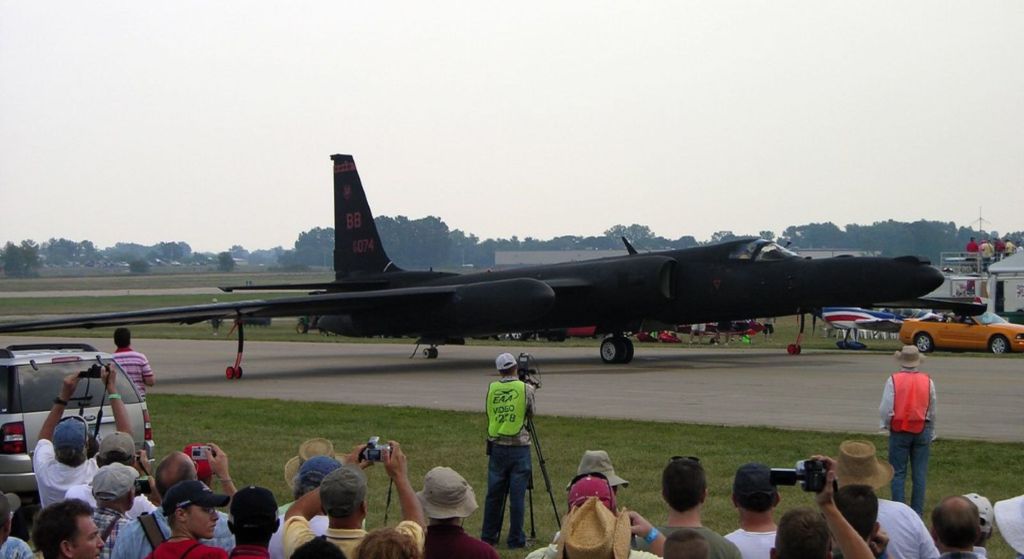
The U-2 boasts an enormous wingspan, often compared to a glider aircraft. This vast wing area generates enough lift even in thin air. Imagine a large kite catching a gentle breeze – the principle behind the U-2’s wings. The long, slender design also minimizes drag, enhancing its efficiency at high altitudes.
Powerful Aircraft Engines for Reaching the Edge of Space
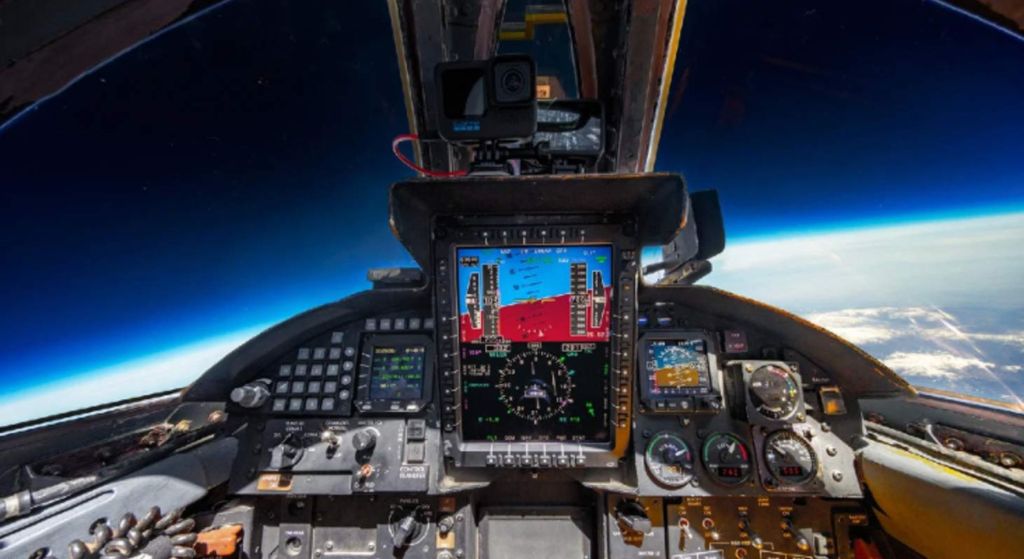
While the wings keep it aloft, the U-2 needs powerful engines to reach its operational height. It utilizes high-bypass turbofan engines, similar to those found in commercial airliners. These engines are specifically designed for fuel efficiency at high altitudes, allowing the U-2 to stay on mission for extended periods.
Unveiling the Mysteries: Capabilities and Applications
The U-2’s ability to soar above 70,000 feet makes it perfect for various critical missions. Let’s explore some of the ways this remarkable aircraft has been utilized.
The King of Reconnaissance
The U-2’s primary function lies in high-altitude reconnaissance. Equipped with sophisticated cameras and aircraft sensors, it can capture detailed images of vast areas, providing valuable information on troop movements, enemy positions, and potential threats. During the Cold War, U-2 flights played a pivotal role in gathering intelligence on the Soviet Union.
Beyond Military Might: Scientific Exploration
The U-2’s ability to reach the edge of space has also proven valuable for scientific research. It can carry specialized equipment to study the Earth’s atmosphere, ozone layer, and cosmic rays. This data has been instrumental in furthering our understanding of the planet and the universe beyond.
The Future of Flight: Evolution and Adaptations
The U-2 aircraft has been continuously upgraded and adapted over the years. Newer versions boast improved engine efficiency, advanced sensor technology, and even the ability to carry air-to-air refuelling systems, extending their operational range.
While newer technologies like drones are emerging in surveillance, the U-2 remains valuable due to its unique capabilities and pilot-operated control.
Facing the Challenges: Operational Hazards and Pilot Training
- Dive into the specific challenges pilots face when operating a U-2 aircraft at high altitudes.
- Discuss the physiological effects of thin air, the risks of rapid decompression, and the unique piloting skills required for such a specialized aircraft.
- Briefly touch on the rigorous training program U-2 pilots undergo to prepare them for these demanding missions.
A Glimpse into the Future: U-2 Replacements and Next-Gen Technologies
- Explore potential replacements for the U-2 in the future. This could involve discussing High-Altitude Long Endurance (HALE) drones or newer, next-generation manned aircraft concepts.
- Briefly compare and contrast the potential capabilities of these future platforms with the strengths of the U-2.
- Conclude by emphasizing the U-2’s continued relevance despite technological advancements, highlighting its unique role and potential for further upgrades.
By incorporating these additional sections, you can provide a more comprehensive picture of the U-2 aircraft, its challenges, and its place in the ever-evolving world of aviation.
The U-2 aircraft stands as a testament to human ingenuity. Its ability to operate at the fringes of the atmosphere has revolutionized aerial surveillance and scientific exploration. Even though technology constantly changes, the U-2 will be an essential part of aviation for a long time.
OrbitsHub a leading consultancy service company, can help you navigate the complexities of this dynamic industry. From regulations and compliance to technical expertise, OrbitsHub offers comprehensive services to ensure your operations run smoothly and efficiently. Explore their website today and discover how they can help your venture take flight!
FAQ’s
1. What is a Mirage aircraft?
A Mirage aircraft is a family of French-built, delta-wing fighter jets developed by Dassault Aviation. They are known for their sleek design and agility in combat.
2. What variants of Mirage aircraft are available?
Several variants of Mirage aircraft have been produced, including the Mirage III, Mirage 5, Mirage 2000, and Mirage 4000, each with specific features tailored for different roles and missions.