The Straight Bow
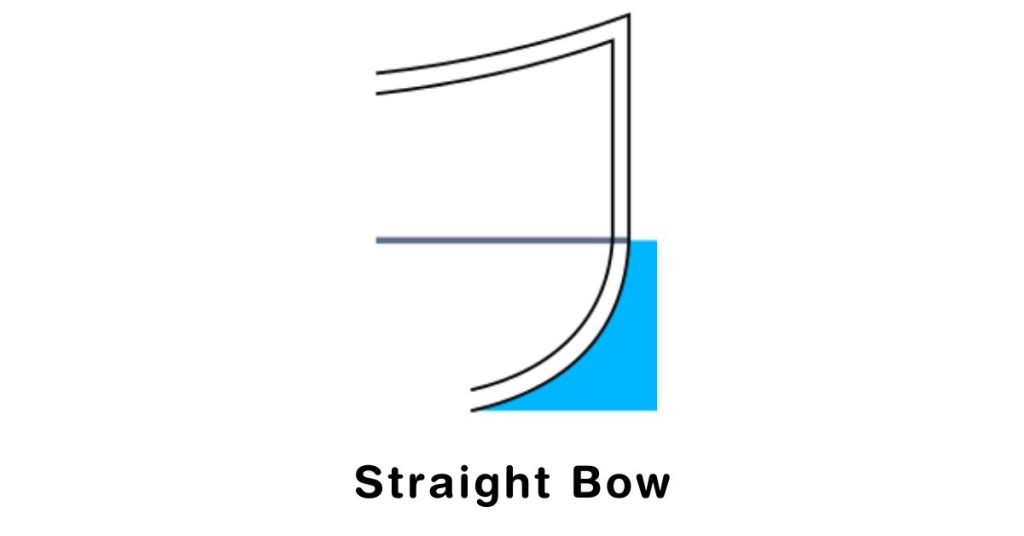
The straight bow design, also known as the transom bow, is one of the oldest and simplest forms. Its flat, vertical shape allows for easy construction and efficient use of space, making it ideal for smaller vessels such as fishing-boats and barges. However, it is less effective in rough seas as it tends to produce more drag.
The Clipper Bow
Developed during the golden age of sailing ships, the clipper bow features a sharp, sleek shape that enhances speed and maneuverability. This design was popularized by clipper ships known for their incredible speed and elegance. The clipper bow’s ability to cut through the water with minimal resistance made it a favorite among shipbuilders during the 19th century.
The Bulbous Bow
In the pursuit of increased fuel efficiency and reduced resistance, the bulbous bow design was introduced. This unique bow features a protruding bulb-shaped structure at the waterline, which alters the flow of water around the ship’s hull, reducing drag. The bulbous bow is commonly found in modern merchant vessels, cruise ships, and large tankers.
The Spoon Bow
With a curved and rounded shape, the spoon bow design enhances stability and minimizes the impact of rough seas. This bow design is often seen in offshore support vessels, ferries, and other ships that frequently navigate through turbulent waters. The spoon bow’s ability to deflect waves allows for a smoother journey, ensuring the comfort of passengers and crew.
The Raked Bow
Renowned for its sleek and modern appearance, the raked bow design slopes sharply backward, creating a distinctive V-shaped profile. This design is popular in high-speed vessels, including fast ferries, naval ships, and even some luxury yachts. The raked bow reduces resistance and enhances the ship’s hydrodynamics, allowing for greater speed and efficiency.
The Icebreaking Bow

Operating in icy waters demands a specialized bow design. Icebreakers employ a reinforced, heavily sloped bow with a rounded shape. This allows them to ride up on the ice, using their weight to break through. The icebreaking bow design is crucial in maintaining navigation routes in frozen regions, enabling transportation of goods and exploration in extreme conditions.
The Inverted Bow
Breaking away from traditional designs, the inverted bow, or X-bow, is a revolutionary concept. Its unique shape resembles an inverted V, reducing slamming and pitching motions caused by waves. This design has gained popularity in offshore vessels, as it improves safety, crew comfort, and fuel efficiency. The X-bow’s innovative shape also contributes to reduced noise and vibrations, benefiting both the environment and those on board.
The Canoe Bow
Taking inspiration from traditional canoe shapes, this bow design offers exceptional stability and seaworthiness. Commonly used in smaller recreational boats and kayaks, the canoe bow allows for easy maneuverability in calm waters. Its wide, rounded shape provides buoyancy and stability, ensuring a pleasant and safe boating experience.
The Wave Piercing Bow
With a focus on fuel efficiency and speed, the wave piercing bow design is commonly seen in high-performance catamarans and trimarans. This bow features a sharp, knife-like shape that slices through waves rather than riding over them. By reducing wave impact, the wave piercing bow minimizes drag and maximizes speed, making it ideal for competitive sailing and record-breaking attempts.
The Flared Bow
Designed to provide greater deck space and stability, the flared bow widens as it moves upwards, creating a distinctive flared shape. This bow design is commonly found in research vessels, fishing trawlers, and offshore supply ships. The flared bow design ensures better stability in rough seas, reducing the risk of capsizing and enhancing safety during operations.
The Dolphin Bow: Enhancing Hydrodynamic Efficiency
The Dolphin Bow is a distinctive ship bow design that prioritizes hydrodynamic efficiency. Its unique shape helps to minimize resistance and improve ship fuel efficiency, making it a popular choice for modern vessels. The design’s streamlined form aids in smooth water flow, reducing drag and enhancing overall performance.
- Design Features: The Dolphin Bow features a gently curved shape that allows water to flow more easily around the bow, minimizing turbulence.
- Hydrodynamic Benefits: The Dolphin Bow improves fuel efficiency and speeds up the vessel by reducing drag.
- Application: This bow design is commonly used in high-speed crafts and vessels where performance and fuel economy are crucial.
The Sheer Bow: Balancing Aesthetics and Functionality
The Sheer Bow combines aesthetic appeal with functional benefits, making it a versatile choice for various types of ships. Its elegant, slightly upward-arching design is visually appealing and effective in improving performance and stability.
- Visual Appeal: The Sheer Bow’s graceful curve adds a touch of elegance to ship designs.
- Functional Advantages: Its shape helps reduce water resistance and improve the vessel’s handling in different sea conditions.
- Everyday Use: Often found in luxury yachts and passenger ships where aesthetics and performance are valued.
The High Flare Bow: Adapting to Rough Seas
The High Flare Bow is engineered to excel in challenging sea conditions. Its prominent upward flare helps deflect waves and reduce the impact of heavy seas, making it ideal for ships operating in rough waters.
- Design Characteristics: The High Flare Bow features an exaggerated upward curve that directs waves away from the hull.
- Performance Benefits: This design minimizes the risk of water intrusion and enhances the ship’s stability in turbulent conditions.
- Typical Vessels: Commonly used in cargo ships and fishing boats that operate in rough maritime environments.
The Low Profile Bow: Improving Stability and Speed
The Low Profile Bow is designed to balance stability and speed. Its low, sleek design helps maintain a low center of gravity, contributing to improved stability and enhanced speed on the water.
- Design Attributes: The Low Profile Bow has a flattened shape that reduces the vessel’s overall height.
- Stability Enhancements: This design lowers the center of gravity, making the ship more stable and less prone to tipping.
- Speed Advantages: The streamlined shape reduces drag, allowing faster travel speeds and better fuel efficiency.
The Double-Ended Bow: Versatility in Ship Design
The Double-Ended Bow is characterized by its symmetrical design at both the front and rear of the ship. This unique feature allows the vessel to travel efficiently in both directions, making it versatile for various maritime applications.
- Symmetrical Design: The bow is mirrored at both ends, enabling the ship to move forward and backward equally efficiently.
- Operational Benefits: This design allows for easier maneuverability and flexibility, especially in confined spaces and busy ports.
- Typical Uses: Commonly found in ferries, cargo ships, and other vessels that require bidirectional navigation.
The Transom Bow: Maximizing Interior Space
The Transom Bow design is characterized by its flat, vertical stern that maximizes the interior space of the vessel. This design is particularly advantageous for ships and boats where space optimization is a priority.
- Design Features: The Transom Bow features a flat, vertical surface at the rear, which helps to create additional space within the vessel.
- Space Optimization: By extending the usable area, the Transom Bow design provides more room for cargo or passenger accommodations.
- Ideal Applications: This design is often used in cargo ships, houseboats, and recreational boats where maximizing interior space is essential.
The Wave Piercing Bow: Cutting Through High Waves
The Wave Piercing Bow is engineered to slice through high waves with minimal resistance, improving the vessel’s stability and comfort. This design is especially beneficial for ships operating in rough sea conditions.
- Design Characteristics: The Wave Piercing Bow features a sharp, tapered shape that allows it to cut through waves efficiently.
- Performance Benefits: This design reduces the impact of waves on the ship, enhancing passenger comfort and vessel stability in turbulent conditions.
- Common Uses: It is typically used in fast ferries and offshore vessels that must navigate high seas and heavy waves.
Shipbuilding has evolved significantly over the centuries, and bow designs have played a crucial role in this progress. From the elegant clipper bows of the past to the innovative inverted bows and wave piercing designs of today, each type of bow serves a specific purpose, meeting the unique demands of various vessels and environments. By constantly pushing the boundaries of design, shipbuilders continue to shape the future of maritime transportation, making sea journeys safer, more efficient, and more enjoyable for all.