A sizeable submerged ship. An enormous monster designed to balance the world. Typhoon-class sea titan submarines left this legacy. Known as “Akula” by the Soviets, meaning “shark,” these ocean giants ruled the Cold War, reminding us of their size. Typhoons were technological marvels designed for a specific function with unmatched operational advantages. These underwater monsters’ record-breaking size, devastating firepower, strategic importance in the Arctic, and lasting maritime influence will be discussed. Let Typhoon class submarines enchant you.
An Unmatched Presence: The Typhoon’s Record-Breaking Size
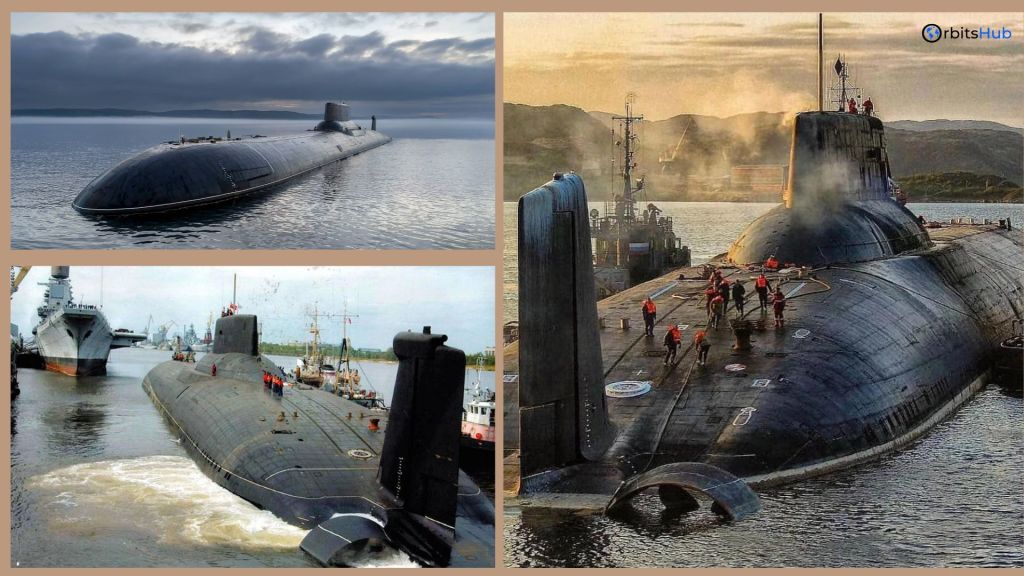
The Typhoon class holds the undisputed title of the largest submarine ever built. They dwarfed anything else sailing the seas with a staggering submerged displacement of 48,000 tonnes. To put that into perspective, these behemoths were nearly twice the size of the Ohio-class submarines, the current giants of the US Navy. Their immense size allowed for several unique features, including:
- Spacious Crew Quarters: Unlike most submarines known for their cramped conditions, Typhoons boasted ample living space for their crew of 160. This enabled them to stay submerged for extended periods, up to 120 days, in normal conditions, with a level of comfort unheard of in submarine life. Imagine bunk beds replaced with cabins and common areas designed for relaxation!
- Unconventional Design: Their sheer size necessitated an unusual design. The missile tubes of the central sail were placed forward, giving them a distinctive profile. Additionally, the sail sat atop a smaller pressure hull nestled within the main hull. This double-shelled design offered extra protection and redundancy in case of damage.
Beneath the Waves: The Typhoon Class Submarine Fearsome Firepower
While their size was awe-inspiring, the true purpose of these submarines lay in their devastating offensive capabilities. Typhoons were designed as ballistic missile submarines (SSBNs), the stealthy underwater arm of a nation’s nuclear arsenal. Their primary weapon system consisted of:
- 20 R-39 Ballistic Missiles (SS-N-20): These behemoths, codenamed “Streaker” by NATO, were amongst the most giant submarine-launched ballistic missiles ever built. Each missile could carry up to 10 MIRV (Multiple Independently Re-entry Vehicle) warheads, delivering multiple nuclear payloads with a single launch.
- Torpedo Tubes: Besides their missile arsenal, Typhoons packed six torpedo tubes capable of launching RPK-2 missiles or traditional torpedoes for close-quarters defence.
The size, endurance, and sheer firepower of Typhoon-class submarines made them a formidable force during the Cold War. Their presence in the oceans was a constant reminder of each vessel’s destructive power.
The End of an Era: The Typhoon Class Submarine Fate
The fall of the Soviet Union in 1991 marked a turning point for the Typhoon class. With the Cold War over, the need for such massive submarines diminished. The high maintenance cost and availability of more modern, albeit smaller, SSBNs led to their gradual retirement. The last operational Typhoon was decommission in 2023, ending an era of these underwater titans.
Perfect for the Arctic: The Typhoon’s Operational Advantages
The Typhoon class wasn’t just about brute force. It was meticulously design for a specific role. They were built specifically to operate in the frigid waters of the Arctic Ocean, a region crucial for Soviet strategic defence during the Cold War. Here’s how their design catered to this environment:
- Ice Navigation: Their double hull design offered exceptional strength, allowing them to navigate through broken ice and even surface through thin ice floes. This ability to operate beneath the ice pack made them incredibly difficult to detect and target.
- Quiet Operation: Despite their size, Typhoons incorporated advanced noise reduction technologies to minimize their acoustic signature. This stealth made them even more elusive to دشمن (dushman), the Hindi word for enemy, sonar detection systems.
- Long Range and Endurance: The massive size of the Typhoon class also translated into an impressive operational range and extended endurance. They could remain submerged for months, patrolling undetected vast stretches of the Arctic, ready to unleash their deadly payload if needed.
The Typhoon’s ability to thrive in the harsh Arctic environment presented a significant strategic advantage to the Soviet Navy during the Cold War.
Beyond the Threat: The Legacy of the Typhoon Class Submarine
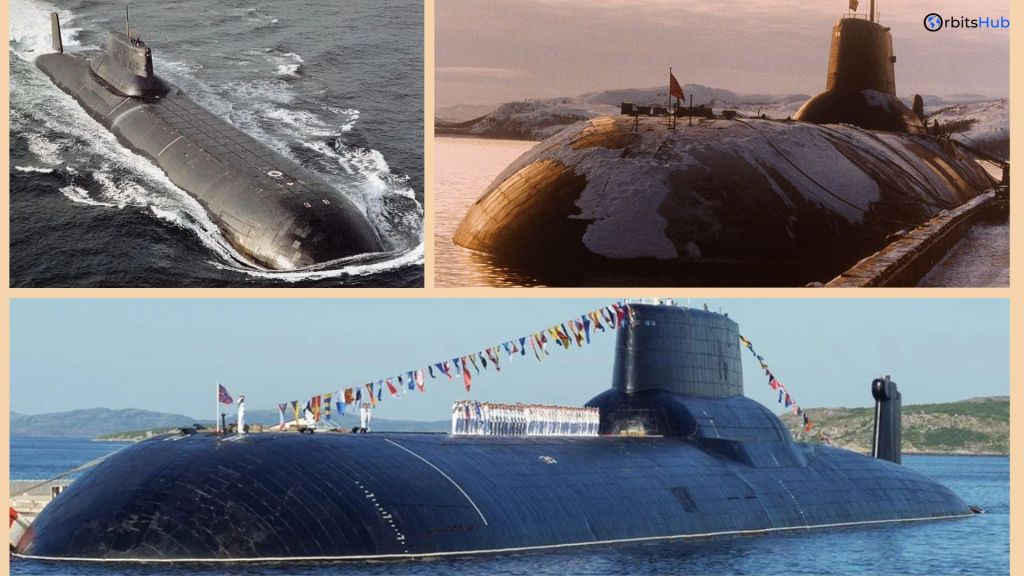
The Typhoon class may no longer be patrolling the oceans, but their legacy extends beyond their service years. Here’s how these underwater giants continue to influence the maritime world:
- Treaty Limitations: The immense size and destructive potential of the Typhoon class submarines shaped international arms control treaties. The Strategic Arms Reduction Treaty (START) negotiations factored in these behemoths when setting limitations on ballistic missile submarines.
- Submarine Design Evolution: The innovative features of the Typhoon class, like the double-hull design and noise-reduction technology, have influenced the development of subsequent generations of submarines. The lessons learned from these giants continue to contribute to modern submarine design principles.
- A Reminder of Cold War Tensions: The Typhoon class is a stark reminder of the Cold War era’s precarious nuclear balance. Their existence highlights the destructive potential of unchecked military escalation and the importance of diplomacy and arms control measures in maintaining global peace.
The Typhoon class submarines are a powerful symbol of human ingenuity, strategic thinking, and the ever-present need for peace in a world with such immense destructive capabilities.
Despite their retirement, the Typhoon class submarine remains a testament to human ingenuity and engineering marvel. Their size, innovative design, and formidable firepower continue to captivate imaginations. These underwater leviathans serve as a reminder of the immense power that lies beneath the ocean’s surface.
Are you considering a career in the maritime or aviation industry? OrbitsHub, a leading marine and aviation consultancy services company, can help you navigate the exciting world of sea and sky. Discover how they may fulfil your seafaring or aviation ambitions on their website.