Introduction: The Underwater Frontier
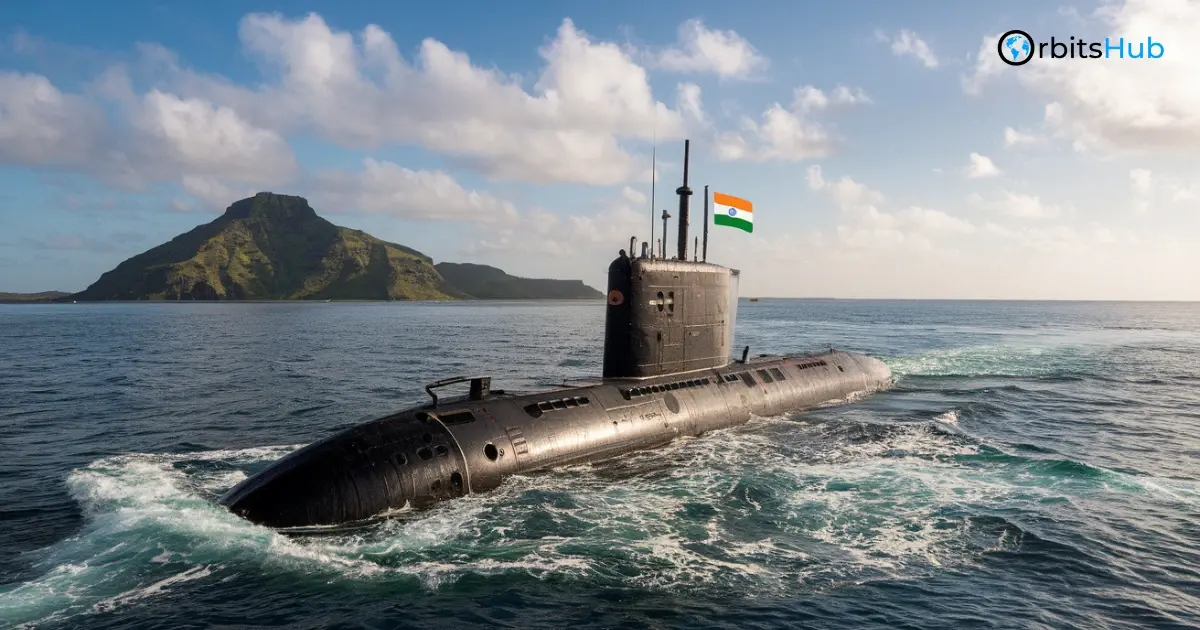
Beneath the vast expanse of the Indian Ocean, a silent force moves with stealth and precision. Indeed, India’s submarine fleet, integral to its naval arsenal, is crucial in safeguarding the nation’s maritime interests. These underwater sentinels, hidden from sight yet ever-vigilant, represent the cutting edge of India’s naval capabilities and its commitment to securing its extensive coastline.
The Evolution of India’s Submarine Force
Early Beginnings
India’s journey into submarine warfare began in the late 1960s. Recognizing the strategic importance of underwater capabilities, the Indian Navy acquired its first submarines from the Soviet Union. India’s submarine arm began with the commissioning of the INS Kalvari, a Foxtrot-class submarine, in 1967.
Growing pains and lessons learned.
Challenges marked the early years. Operating and maintaining these complex machines required specialized skills and infrastructure. The Indian Navy invested heavily in training programs and facilities to build a cadre of skilled submariners. These efforts laid the foundation for India’s future submarine capabilities.
Modernization and Indigenous Development
As India’s strategic needs evolved, so did its submarine force. Consequently, the 1980s and 1990s saw the induction of more advanced submarines, including the German-origin HDW Type 209 submarines and the Russian Kilo-class vessels. Notably, these acquisitions significantly enhanced India’s underwater warfare capabilities.
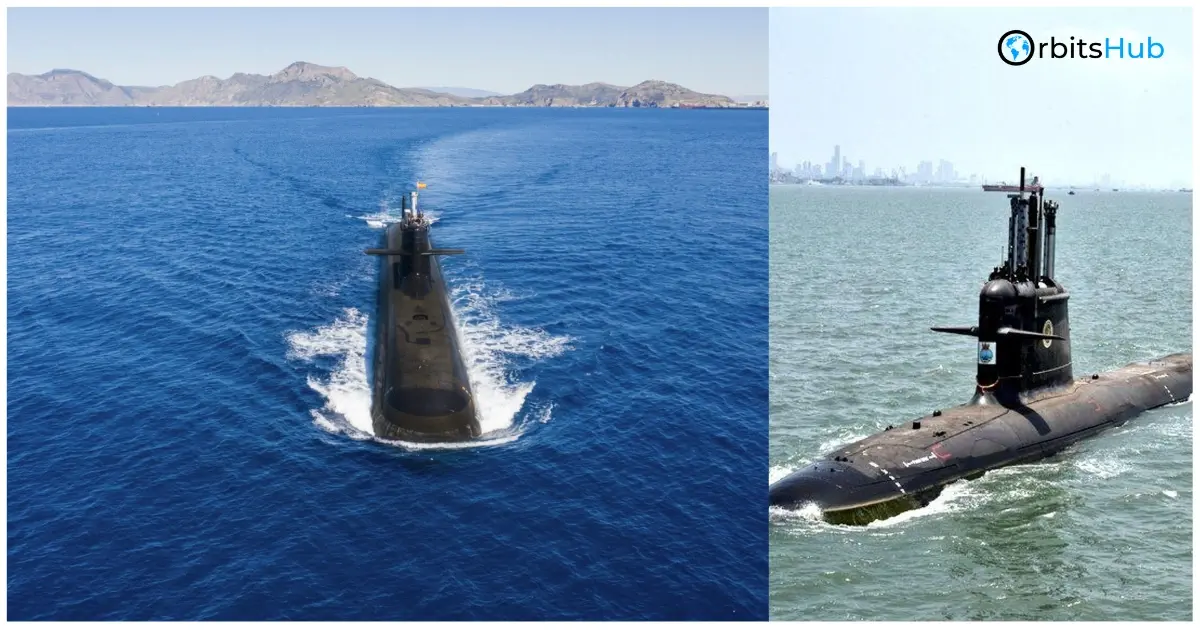
Building on this momentum, the turn of the millennium brought a new focus on indigenous development. Meanwhile, Project 75, aimed at building Scorpène-class submarines in India, marked a significant step towards self-reliance in submarine technology. Furthermore, in 2017, India commissioned the first of these, the new INS Kalvari, symbolizing its growing prowess in submarine construction.
The Current Fleet: Strength in Diversity
Conventional SubmarinesIndia’s
conventional submarine fleet forms the backbone of its underwater force, valued for its stealth and endurance capabilities. Notably:
Nuclear Submarines
India’s nuclear submarine program represents a major leap in its naval capabilities:
- INS Arihant: As India’s first indigenously built nuclear-powered ballistic missile submarine (SSBN), its deployment completed India’s nuclear triad, offering a vital second-strike capability essential for nuclear deterrence.
- INS Chakra: Leased from Russia, this nuclear-powered attack submarine (SSN) boosts India’s power projection across extended distances, further strengthening its strategic reach.
The Silent Service: Life Aboard an Indian Submarine
Training and preparation
Becoming a submariner in the Indian Navy is no small feat. Candidates undergo rigorous training at the Submarine Training School in Visakhapatnam. The curriculum covers everything from basic submarine operations to advanced tactics and emergency procedures. Only the strongest make it through this grueling process.
Daily Life Underwater
Life aboard an Indian submarine is ,indeed, a unique experience. Submariners work in close quarters, often for months at a time. The environment is challenging—clogged spaces, recycled air, and the constant hum of machinery. Yet, these men and women perform their duties with unwavering dedication.
A typical day involves:
- Watch duties monitoring various systems.
- Maintenance of complex equipment
- We conduct drills and exercises to maintain combat readiness.
- There are brief moments of relaxation and leisure in communal areas.
The submarine operates on an 18-hour cycle, unlike the 24-hour day-night cycle on the surface. Over time, this unusual rhythm becomes second nature to the crew.
Psychological Challenges
One cannot overstate the psychological impact of prolonged underwater deployments. Submariners face unique stressors:
To address these challenges, the Indian Navy has implemented comprehensive psychological support programs and rigorous screening processes to ensure the mental fitness of its submarine crews.
Strategic Importance: The Submarine’s Role in India’s Naval Doctrine
Deterrence and Power Projection
India’s submarine force serves as a powerful deterrent against potential adversaries. The ability to operate undetected in enemy waters and strike with precision adds a crucial dimension to India’s military capabilities. This is particularly significant in the context of India’s nuclear triad, with nuclear-powered submarines providing a credible second-strike capability.
Intelligence gathering and surveillance
Submarines excel in covert intelligence-gathering operations. They can monitor enemy naval activities, intercept communications, and provide valuable strategic intelligence without detection. This capability is crucial in the increasingly complex geopolitical landscape of the Indo-Pacific region.
Anti-submarine and anti-surface warfare
In times of conflict, Indian submarines would play a vital role in neutralizing enemy naval assets. Their stealth and advanced weapons systems make them formidable opponents in anti-submarine and anti-surface warfare scenarios.
Sea Denial and Control of Sea Lanes
The presence of submarines, even if not directly observed, can effectively deny the use of sea lanes to adversaries. This capability is crucial for protecting India’s maritime trade routes and ensuring freedom of navigation in its areas of interest.
Technological Advancements: Pushing the Boundaries

Air-Independent Propulsion (AIP)
India is actively working on developing indigenous Air-Independent Propulsion (AIP) systems. Consequently, AIP technology allows conventional submarines to remain submerged for extended periods, significantly enhancing their stealth and operational capabilities.
Advanced Sensor Suites
Modern Indian submarines are equipped with cutting-edge sensor technologies, including:
- We utilize advanced sonar systems to identify and categorize underwater threats.
- Electronic Support Measures (ESM) for detecting and analyzing electromagnetic emissions
- Non-penetrating periscopes with advanced optronic capabilities
Weapon Systems
The offensive capabilities of Indian submarines have, indeed, seen significant upgrades:
Submarine Capabilities
Torpedoes: Equipped with advanced heavyweight torpedoes, these submarines are now more effective in anti-submarine and anti-surface warfare.
Cruise Missiles: Additionally, the ability to launch land-attack cruise missiles significantly enhances their strategic strike capabilities.
Anti-Ship Missiles: Furthermore, modern anti-ship missiles are designed to engage surface targets at extended ranges.
Challenges and Future Prospects
Aging fleets and modernization
One of the significant challenges facing India’s submarine force, however, is the aging of its conventional submarine fleet. Many of the older Kilo-class and Type 209 submarines are nearing the end of their operational lives. The Indian Navy is addressing this through a combination of life extension programs and the induction of new submarines.
Indigenous Production Capabilities
While India has made significant strides in submarine construction with the Kalvari class, there’s still a long way to go in achieving complete self-reliance. Enhancing indigenous design and production capabilities remains a key focus area.
Future Projects
Several ambitious projects are in the pipeline:
Project 75(I): This aims to build six advanced conventional submarines with AIP technology.
SSN Program: Plans for building indigenous nuclear-powered attack submarines are underway.
Next-Generation SSBN: Developing more advanced nuclear-powered ballistic missile submarines to enhance strategic deterrence capabilities.
International Cooperation and Exercises
Moreover, India’s submarine force regularly participates in international exercises, enhancing interoperability with friendly ships. These exercises, such as the MALABAR series with the U.S. and Japanese Navy, provide valuable experience and help in refining tactics and procedures.
Environmental Considerations
As stewards of the underwater domain, the Indian Navy is increasingly focusing on the environmental impact of submarine operations. The Indian Navy is making efforts to minimize disturbance to marine life and reduce acoustic signatures. Research into environmentally friendly propulsion systems and waste management techniques is ongoing.
Guardians of the Deep Blue
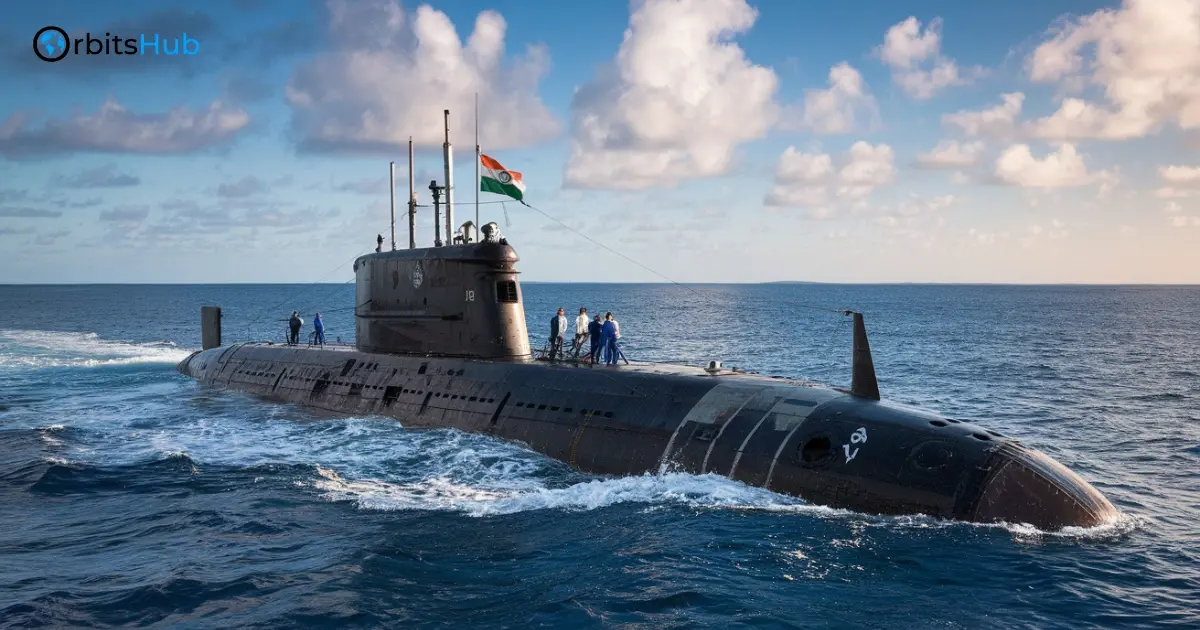
India’s submarine force is vital to its maritime security architecture, boasting stealth, firepower, and strategic importance. Consequently, as Indo-Pacific geopolitics shift, these sentinels will safeguard India’s maritime interests and promote regional stability.
Notably, India’s submarine arm has transformed significantly. From Foxtrot-class to nuclear-powered vessels, this evolution showcases technological prowess, strategic vision, and submariners’ spirit. Furthermore, this growth underscores India’s commitment to maritime security.
Meanwhile, the Indo-Pacific’s escalating significance makes a robust submarine force indispensable. Therefore, India’s submarine arm will adapt and evolve to meet emerging challenges. Ultimately, with ongoing advancements, the force will remain ready to meet tomorrow’s maritime challenges.
Frequently Asked Questions
India’s submarine fleet ranks among the largest in the Indo-Pacific. Despite lagging behind the US and China, its strategic location holds significance. India’s submarine force is evolving to address emerging challenges. Consequently, it’s crucial to India’s national security.
A submarine’s service life varies depending on its class and maintenance. Generally, conventional submarines have a service life of about 30-35 years, while nuclear submarines can extend their operational lives through regular maintenance and refueling.