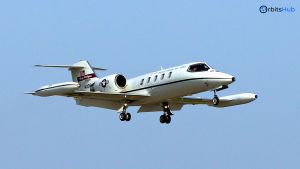
In a strategic display of naval might, the United States has dispatched a formidable array of warships and maritime patrol aircraft to closely monitor a Russian naval flotilla conducting exercises in the Atlantic Ocean, mere miles from the shores of South Florida. This proactive measure underscores the nation’s unwavering commitment to safeguarding its territorial waters and maintaining a vigilant eye on potential threats, regardless of their severity.
Russia’s Naval Exercises in the Caribbean: U.S. Warships
Moscow’s deployment of four vessels to the Caribbean, including a modern frigate and a nuclear submarine, heightened military awareness. This naval group will visit Havana, Cuba, from June 12 to 17, according to Russian official media. This marks a considerable increase in Russian military involvement in the Western Hemisphere.
Simulated Strikes and Hypersonic Capabilities
On Tuesday, the Russian Defense Ministry issued a statement detailing the nature of these exercises, which involved the simulated use of “high-precision missile weapons” against mock enemy naval groups located over 600 kilometres (373 miles) away. While no actual missiles were launched, the drills showcased the flotilla’s ability to conduct long-range strikes, potentially employing hypersonic missiles capable of evading modern defence systems.
The United States Deploys Powerful Deterrent Warships
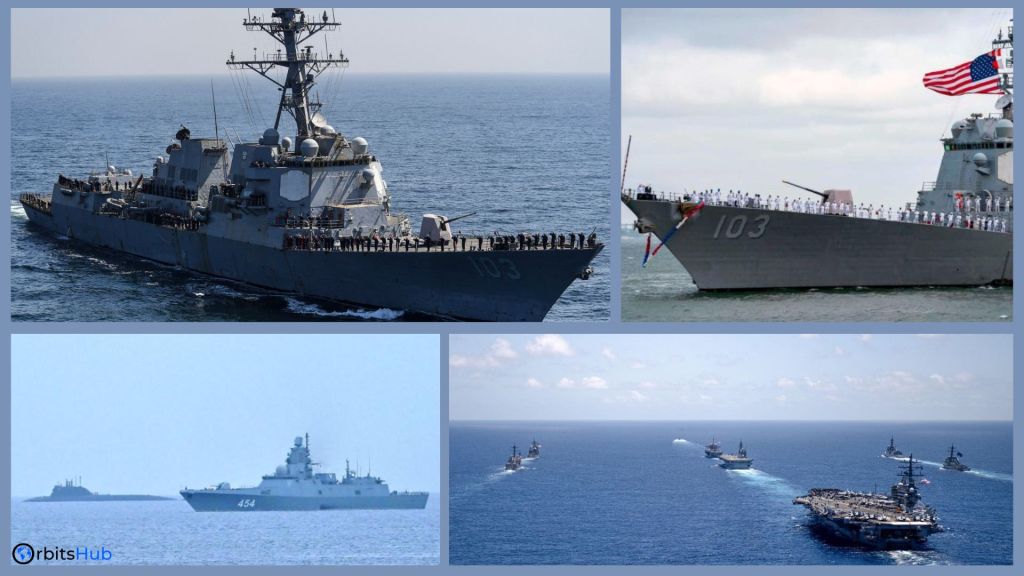
In response to this Russian display of force, the U.S. Northern Command (NORTHCOM) has authorized a potent naval task force to monitor the situation. This contingent includes three guided-missile destroyers – the USS Truxtun, USS Donald Cook, and USS Delbert D. Black – as well as a Coast Guard cutter and a Boeing P-8 maritime patrol aircraft.
Strategic Positioning and Surveillance
NORTHCOM officials say these U.S. assets are watching Russian vessels in international seas as they travel the Atlantic Ocean. The official stressed that NORTHCOM’s aviation and sea assets defend the US and Canada, emphasizing the strategic relevance of a strong monitoring presence.
Routine Activity or Cause for Concern?
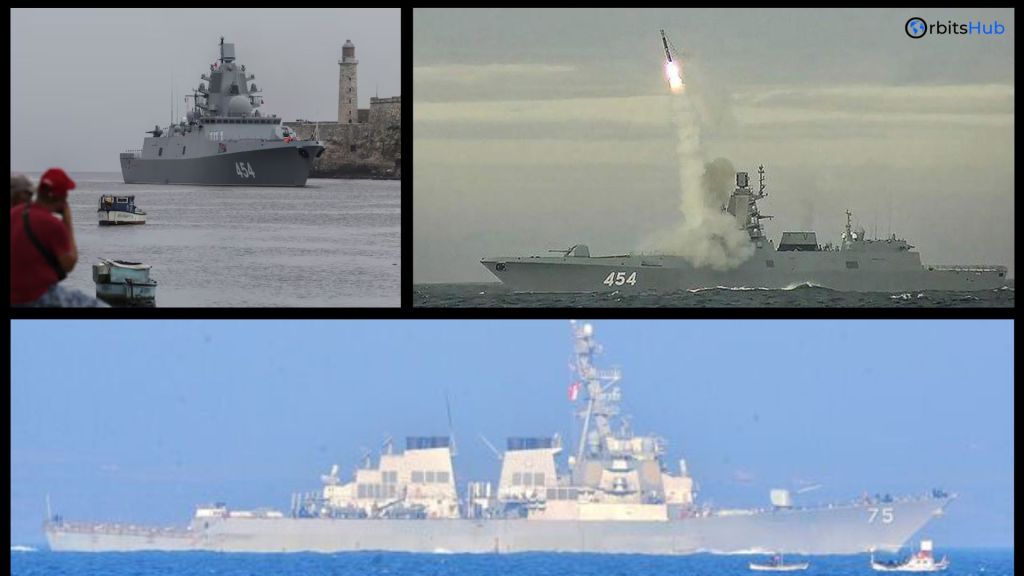
While the Biden administration has stated that Russian naval activity does not pose a direct threat or immediate concern to the United States, deploying advanced warships such as the frigate Admiral Gorshkov and the nuclear-powered submarine Kazan has raised eyebrows among military analysts and experts.
Cutting-Edge Russian Warships in the Spotlight
The Admiral Gorshkov, commissioned in 2018, is one of Russia’s newest and most capable frigates, while the Kazan, which entered service in 2021, is a state-of-the-art guided-missile nuclear submarine comparable to the finest Western counterparts. Analysts have noted that the Kazan boasts quietness and long-range strike capability that exceeds many Western assets, making it a formidable adversary in any potential conflict.
Escalating Tensions and Reciprocal Responses: U.S. Warships
U.S. officials have acknowledged that Russian naval visits to Cuba are not unprecedented. Due to America’s support for Ukraine and NATO exercises, they have risen recently. Both Russia and the West appear ready to respond to rising tensions, which might lead to more escalation and a greater military presence in the region.
Maintaining Operational Readiness U.S. Navy
Even though the Pentagon says these drills pose no immediate threat, the U.S. Navy’s 2nd Fleet, 4th Fleet, Coast Guard Atlantic Area, and Canadian Joint Task Force Atlantic are conducting routine Atlantic Ocean activities. This concentrated effort displays strength and operational readiness, identifying and neutralizing threats quickly.
Geopolitical Implications and Strategic Maneuvering
The Russian naval flotilla in the Caribbean and the U.S. response show continued geopolitical tensions. Both sides have downplayed these incidents, but the deployment of modern warships and reciprocal monitoring measures highlight the fragile balance of strength and strategic manoeuvring in the global military scene.
Diplomatic Channels and Potential Escalation: U.S. Warships
In order to avoid inadvertent escalation, both governments must keep communication open and emphasize diplomatic channels. There is always the risk of error or misunderstanding, therefore a cautious approach that favors de-escalation and discussion is essential to regional stability and averting major crises.
The deployment of U.S. warships to track the Russian naval flotilla off the coast of South Florida serves as a potent reminder of the complexities that govern the global military landscape. The innocuous exercises show battleship updates and reciprocal monitoring. The world is learning that peace and security depend on unpredictable power balances and states’ willingness to negotiate.
Are you considering a career in maritime or aviation? OrbitsHub, a leading consultancy services company, can help you navigate the exciting world of marine and aviation. Contact them today to explore career opportunities and unlock your potential in these dynamic sectors!