In an audacious maritime operation, Ukraine’s military intelligence forces have crippled Russia’s Black Sea naval capabilities. Officials said a specialized team destroyed a Russian tugboat off Crimea, which Moscow unlawfully annexed in 2014. The Ukrainian Main Intelligence Directorate (HUR) published footage of their naval kamikaze drones breaching Russian defensive barriers and hitting the tugboat “Saturn” or “Proteus.” Russian Black Sea Fleet vessel was reportedly supporting Crimea’s occupation.
Relentless Attacks on Russia’s Maritime Assets Tug Boat
Ukraine has boldly attacked Moscow’s naval assets to terminate Crimea’s annexation and cripple its military supplies. Kyiv has attacked Russian warships, supply vessels, and Black Sea coastal infrastructure since February 2022’s full-scale assault.
After a series of successful hits, Russia has moved many boats away from Sevastopol, including the tugboat sinking. British Defense Minister Grant Shapps applauded Ukraine’s efforts, saying Putin’s unlawful takeover of Ukraine is costing Russia’s dormant Black Sea Fleet.
Innovative Use of Maritime Drones
Ukraine’s military has used marine drones for offensive operations with surprising ingenuity. Initially built for observation and surveillance, these UAVs have been refitted with multiple-launch rocket launchers to become powerful strike platforms.
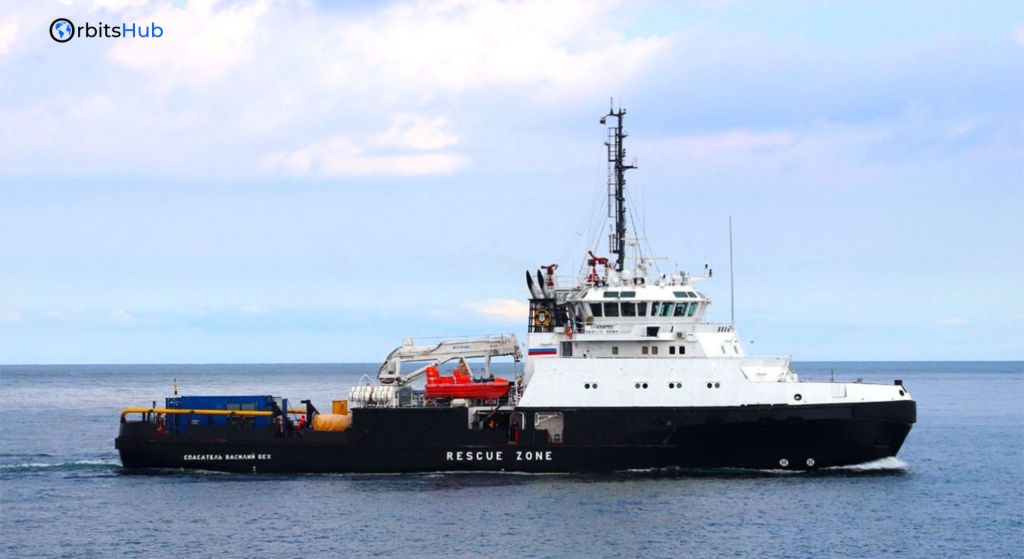
These kamikaze drones have changed the game, allowing Ukraine to attack Russian naval targets while protecting its soldiers precisely. The tugboat strike breached Russia’s defensive barriers, questioning Moscow’s countermeasures against nontraditional threats.
Strategic Implications and Escalating Tensions: Tug Boat
The Russian tugboat disaster gave Ukraine a symbolic and strategic victory. Kyiv disrupts Black Sea naval support operations to diminish Moscow’s military presence in seized regions and regional power projection.
As Russia builds its defences and retaliates against Ukraine’s naval capabilities, this episode may escalate tensions. Both sides compete to control the Black Sea waterway and its supply lines.
The Ukraine war is entering a new phase as the world awaits the next move in this high-stakes chess game of armed force and strategy.
Shifting Dynamics in the Black Sea: Tug Boat
Ukraine’s successful strike on the Russian tugboat near Crimea indicates its desire to reclaim land and threaten Russia’s Black Sea dominance. This attack damages Russia’s naval assets and psychological invincibility.
Ukrainian military specialists hailed the operation’s repurposed maritime drones’ versatility and effectiveness. Ukrainian asymmetric warfare is advancing as it can overcome Russian military barriers and strike targets deep in the seized territory.
Reassessing Naval Strategies: Tug Boat
The sinking of the Russian tugboat has forced both parties to rethink their Black Sea naval strategy and defences. For Russia, the incident is a stark reminder of the vulnerabilities inherent in its Black Sea Fleet, which has been forced to retreat from its traditional stronghold in Sevastopol.
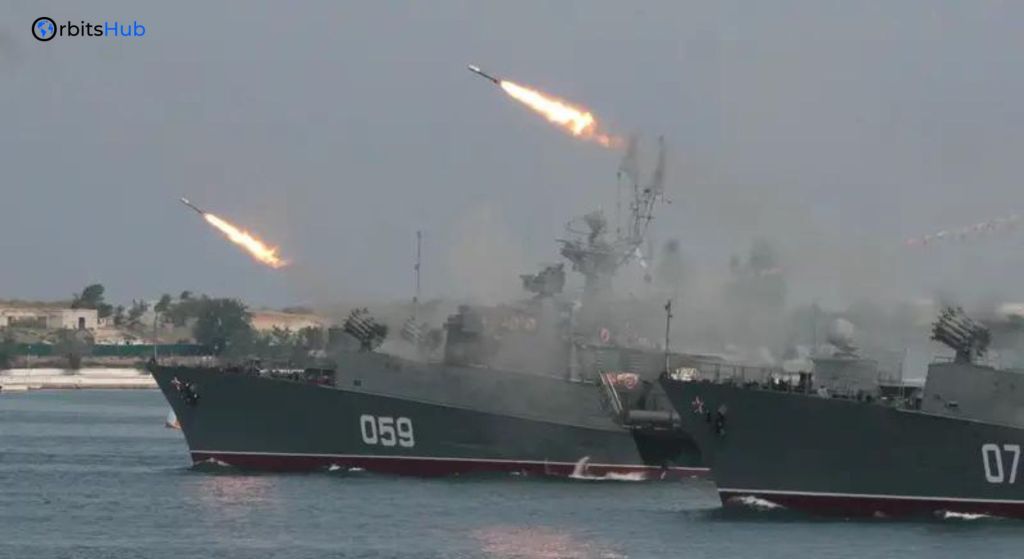
Moscow’s response to this latest setback will likely involve:
- Reinforcing its maritime defences.
- Deploying additional counter-drone measures.
- Potentially relocating more naval assets to safer harbours further east.
However, such measures come at a significant cost, both in terms of resources and operational flexibility.
Shifting Power Dynamics in the Region
The effective strike on the Russian tugboat near Crimea highlights Black Sea power shifts. Ukraine’s inventive use of maritime drones and willingness to impede Moscow’s activities tested Russian naval power.
Both sides are fighting to control the crucial Black Sea and its vital supply lines as the war continues. By sinking the tugboat, Russia’s naval assets suffer material damage and psychological damage, eroding its perceived invincibility.
Asymmetric Warfare and Unconventional Tactics
Ukraine’s effectiveness in targeting the Russian tugboat near Crimea displays asymmetric warfare and unorthodox methods. Repurposing naval drones and adding offensive capabilities has allowed Kyiv to hit high-value targets while minimizing civilian casualties.
This unique concept helped Ukraine overcome its conventional military gap and exploit Russia’s marine vulnerabilities. Moscow’s response to unconventional threats has been questioned after the tugboat strike breached Russian defences.
Escalating Tensions and Retaliation Risks: Tug Boat
While the sinking of the Russian tugboat near Crimea represents a strategic victory for Ukraine, it also carries the risk of escalating tensions between the two nations. Russia, already reeling from a series of setbacks in the Black Sea, will likely respond with increased aggression and retaliation efforts.
Moscow may intensify its air and missile strikes on Ukrainian coastal cities and infrastructure, further disrupting civilian life and hampering Kyiv’s ability to conduct maritime operations. Additionally, Russia could deploy additional naval assets and defensive systems to the region, escalating the risk of confrontation with Ukrainian forces.
International Reactions and Diplomatic Efforts
The Russian tugboat sinking near Crimea has galvanized support for Ukraine’s territorial integrity and opposition to Russia’s annexation.
The US and NATO have commended Kyiv’s drive and creativity but encouraged moderation and diplomacy to avoid escalation. Negotiations are underway to find peaceful solutions.
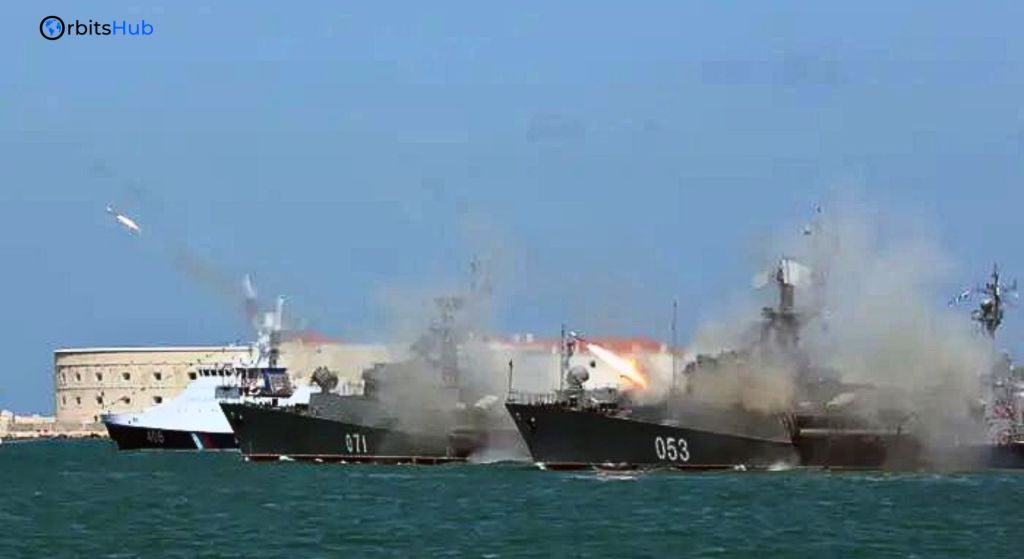
Both parties are obstinate about Crimea’s status and Ukraine’s eastern territories, making a diplomatic solution unlikely.
Logistical Challenges and Supply Chain Disruptions: Tug Boat
The Russian tugboat sinking near Crimea has hampered Moscow’s logistical efforts. Russia may struggle to provide its troops in occupied territory with ammunition, fuel, and other essentials due to naval supply line disruptions and the threat of more attacks.
Logistical pressure could hinder Russia’s military operations and force it to shift resources from other fronts, compromising its strategic position. The disruption of marine trade routes and supply systems might further burden Russia’s already-struggling economy.
Environmental Concerns and Ecological Impact
Ukraine won strategically by sinking the Russian tugboat in Crimea, but naval actions may harm the ecology. Fuel, oil, and other tanker toxins may impact the Black Sea and coastal environments.
Conservationists and locals worry about marine warfare’s long-term effects, including oil spills, pollution, and habitat destruction. Mitigation and sustainable military actions are needed as the conflict destabilises the region.
Technological Advancements and Future Warfare: Tug Boat
Technology will change fighting, as seen by the Crimean tugboat hit. Ukrainian naval drones breached advanced defence systems, demonstrating their potential in current warfare.
As technology progresses, military combat operations use autonomous and remotely piloted platforms, AI, and improved sensors. However, developing and using these technologies raises ethical issues and requires solid international frameworks.
Russia’s takeover and Black Sea naval actions prompted Ukraine to burn a tugboat near Crimea. This courageous strike weakens Russian maritime invincibility. Both sides may reevaluate their defences if the crisis worsens, beginning a regional arms race. Marine drones and unorthodox tactics boosted Ukraine’s military. Retaliation, environmental damage, and regional strife are concerns. Conflict resolution requires international cooperation. The Russian tugboat drowning near Crimea highlights how technology and asymmetric tactics have levelled the playing field, forcing armies to adapt.
Ready to navigate the skies and seas with expertise? Explore orbitshub.com today to discover cutting-edge maritime and aviation consultancy services tailored to your needs.