The ocean is vast and unpredictable, creating a challenging environment for navigation and safety. Radar ships equipped with sophisticated detection systems are pivotal in overcoming these challenges. In this article, we will delve into the capabilities of radar ships, exploring how they function and why they are essential in modern maritime operations.
What is a Radar Ship?
A radar ship is equipped with Radar (Radio Detection and Ranging) technology to detect other ships and navigational obstacles. This technology is critical in ensuring safe passage for boats, especially in crowded or treacherous waters.
Emerging Trends in Radar Ship Design
The field of radar ship design is constantly evolving with advancements in technology. This section can explore topics such as:
- Integration of AI and Machine Learning: Implementing ML and AI algorithms into radar systems is a great way to boost performance, decrease false alarms, and increase detection accuracy.
- Next-generation Radar Technologies: Discuss upcoming radar technologies like phased array radar, multi-static radar, and gallium nitride-based radar systems and their potential impact on maritime operations.
Sustainability and Radar Ship Operations
Radar ships play a crucial role in maritime safety, but their operations also have environmental implications. This section could cover:
- Energy Efficiency Measures: Exploring initiatives and technologies implemented in radar ships to improve energy efficiency, reduce emissions, and promote sustainability.
- Eco-friendly Radar Systems: Discuss developments in radar technology that prioritize eco-friendly materials, low-power consumption, and environmentally conscious manufacturing processes.
The Evolution of Maritime Radar Technology
Radar technology has come a long way since its inception during World War II. Initially used for military purposes, it has evolved into an indispensable tool for commercial shipping. The progression of radar systems has significantly enhanced the capabilities of radar ships in navigation, safety, and efficiency.
How Radar Ships Operate
The Basics of Radar Operation
- Transmitting Radio Waves: Radar systems send a pulse of radio waves from an antenna.
- Reflection of Waves: When these waves hit an object, they are reflect to the radar system.
- Interpreting the Echo: The Radar measures the time taken for the reflection to return and uses this to calculate the object’s distance.
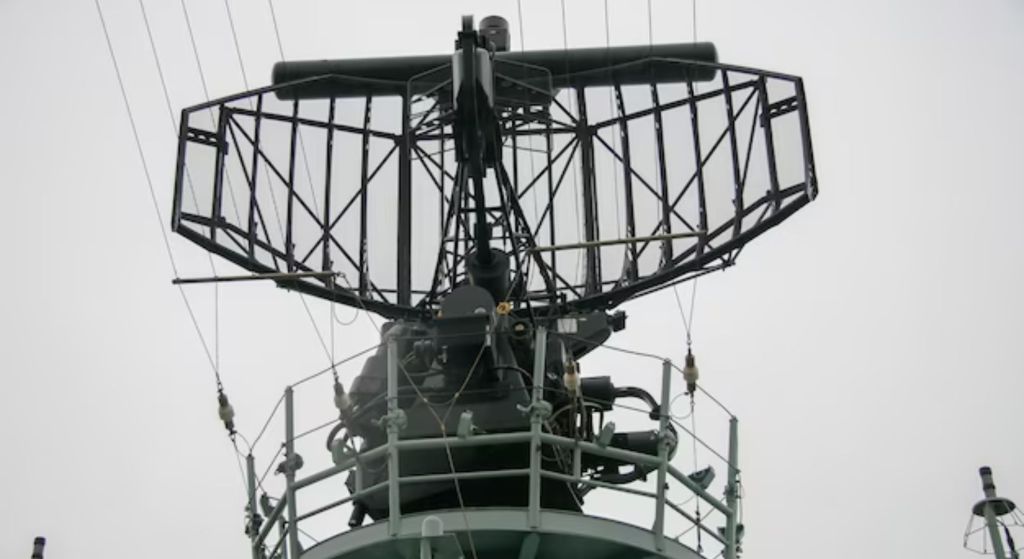
Advanced Radar Features on Ships
Modern radar ships are equip with advance features that go beyond essential distance measurement. They include:
- Automatic Identification Systems (AIS): This system allows radar ships to identify and track vessels electronically, enhancing situational awareness.
- Radar Plotting Aids: These aids help plot the movement of detected objects to predict their future position and avoid collisions.
- 3D Radar provides a three-dimensional view of the sea surface and air space, detecting objects above and below the waterline.
The Capabilities of Radar Ships
Collision Avoidance
One of the most critical functions of radar ships is collision avoidance. In busy shipping lanes, the radar system can detect multiple targets, assess their speed and direction, and help the crew take appropriate action to prevent accidents.
Navigational Assistance
Navigating in low-visibility environments, such as fog, heavy rain, or darkness, is fine for radar ships. Radar helps identify coastlines, buoys, and other navigational marks crucial for charting a ship’s course.
Search and Rescue Operations
Radar technology is invaluable in search and rescue operations. Radar ships can locate stranded vessels or individuals in distress, even in challenging weather conditions, improving the chances of a successful rescue.
Weather Tracking
Advanced radar systems can detect and track weather patterns, such as storms and high waves, critical for route planning and avoiding dangerous conditions.
These radar systems employ sophisticated algorithms to analyze atmospheric conditions and accurately predict the trajectory of weather events. This real-time data enables maritime vessels and aircraft to adjust their routes preemptively, enhancing safety and efficiency in navigation across various terrains and climates.
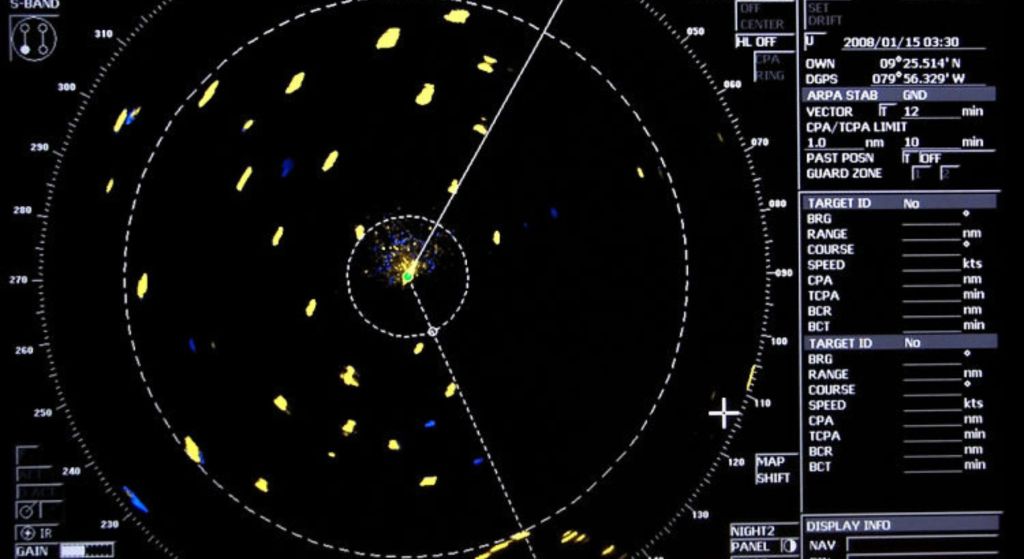
The Role of Radar Ships in Maritime Security
Radar ships also play a vital role in maritime security. They can detect unauthorized vessels, monitor naval borders, and contribute to anti-piracy operations. This surveillance capability is essential for national security and protecting naval interests.
Challenges and Limitations
Despite their capabilities, radar ships do face some challenges:
- Radar Clutter: Sea waves, rain, and other environmental factors can cause ‘clutter’ on the radar screen, making it difficult to identify real targets.
- Range Limitations: The curvature of the Earth limits the Radar’s range, which can be a concern for long-distance tracking.
- Electronic Interference: Inaccurate readings may result from other electrical devices interfering with the radar signals.
The Future of Radar Ships
Technology continues to advance, and with it, the future of radar ships looks promising. AI and ML are anticipate to improve radar systems, leading to more precise and user-friendly systems.
These cutting-edge technologies empower radar systems to adapt and learn from various scenarios, improving detection capabilities, reducing false alarms, and providing more efficient and reliable navigation assistance for maritime operations.
FAQ’s
1. What is a radar system on a ship?
Shipboard radar systems identify nearby objects—including other ships, icebergs, and land—by analyzing their radio wave signatures to calculate their distance, angle, and speed.
2. Why is Radar important for ships?
Radar is crucial for navigation and safety at sea. It helps avoid collisions, navigate through poor visibility, and locate targets.

3. How does marine Radar work?
Marine Radar works by emitting a pulse of radio waves and then listening for echoes. The distance to the item is determine by the time it takes for the echo to return.
4. Can radar on ships detect all objects at sea?
While sophisticated, Radar may not detect tiny objects, especially if they are below the radar horizon or in heavy seas.
5. How far can ship Radar detect?
Ship radar typically detects objects from a few hundred meters up to several tens of nautical miles, depending on the Radar’s power and the height of its antenna.
6. Do all ships have Radar?
Most commercial ships and larger vessels are equip with radar systems. Smaller boats may not have Radar, but it is recommend for safety.
7. Is Radar on ships affect by weather?
Heavy rain, snow, and high seas can affect radar performance by creating “sea clutter” or “rain clutter” on the display.
8. What is the difference between X-band and S-band Radar on ships?
X-band radars have higher frequency waves, suitable for detecting small objects and providing high-resolution images. In contrast, S-band radars have a more extended range and are less affected by rain and fog.
9. Can ship Radar be used in all types of navigation areas?
Ship radar is design to be used in all navigation areas, including open ocean, coastal waters, and congest harbors.
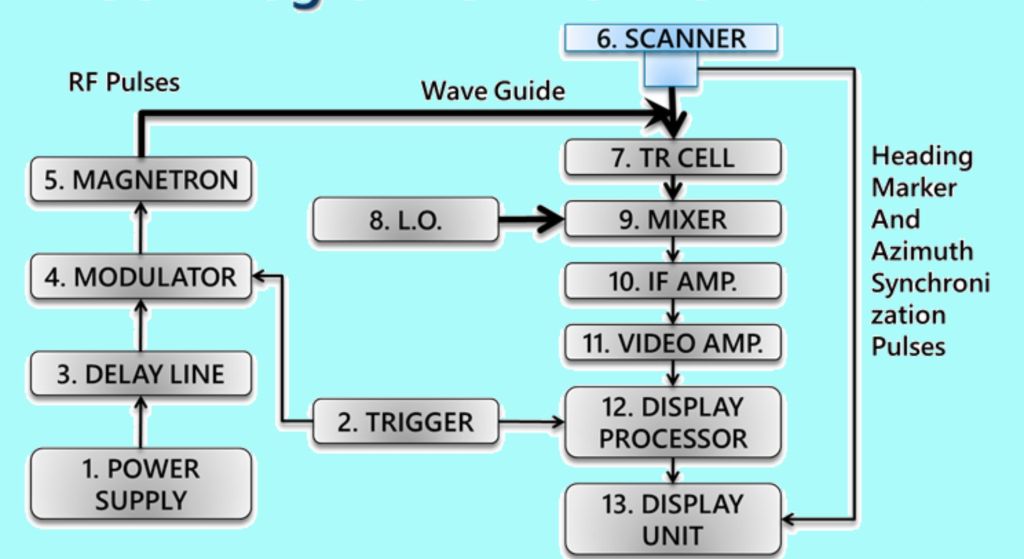
10. How is radar data display on a ship?
Radar data is display on a screen known as a radar display or a radar screen, which may be part of an integrate bridge system showing a map-like image.
Radar ships are a testament to human ingenuity and our quest for safety and efficiency at sea. As technology advances and radar ships ‘ capabilities grow, the world’s seas will become safer and easier to navigate. Whether through collision avoidance, navigational assistance, or maritime security, radar ships will remain indispensable in the marine industry. By understanding the robust capabilities of radar ships, maritime professionals and enthusiasts can appreciate the technology’s impact on safe and efficient sea travel. As we look to the future, radar technology will continue evolving, further revolutionizing our approach to maritime navigation and security.