Flight has become an integral part of our lives, connecting continents and cultures. While air travel boasts an impressive safety record, accidents do occur, serving as stark reminders of the importance of continuous improvement. Let’s explore ten of the most tragic flight accidents in history, understanding the events and the learnings they imparted.
Deadliest Disasters
Some accidents stand out due to the sheer number of lives lost. Here are three of the most devastating:
Tenerife Airport Disaster (1977) – A Collision on the Runway
On March 27, 1977, the world witnessed the deadliest aviation accident in history. A dense fog shrouded Los Rodeos Airport (now Tenerife North Airport) in Tenerife, Spain. Two Boeing 747s, one from KLM Royal Dutch Airlines and another from Pan American World Airways, were diverted due to a bomb threat at their original destination. Tragically, due to miscommunication and limited visibility, both aircraft ended up on the same runway. The head-on collision and subsequent fire claimed 583 lives. Significant upgrades to air traffic control and crew resource management were made after the tragedy revealed flaws in communication protocols and ground control procedures.
Japan Airlines Flight 123 (1985) – A Fight for Survival

On August 12, 1985, Japan Airlines Flight 123, a Boeing 747, took off from Tokyo bound for Osaka. Explosive decompression resulted from a chain reaction that began with a poorly executed repair to a bulkhead door. The aircraft’s vertical stabilizer was ripped off, and control became extremely difficult. Despite heroic efforts by the pilots, the plane crashed on Mount Takamagahara, killing 520 people. The accident led to stricter maintenance procedures and a renewed focus on crew training in handling emergencies with severe structural damage.
Saudi Arabian Airlines Flight 763 & Kazakhstan Airlines Flight 1907 (1996) – A Mid-Air Collision
On November 12, 1996, a horrific mid-air collision occurred over Charkhi Dadri, India. A Saudi Arabian Airlines Boeing 747 and a Kazakhstan Airlines Ilyushin Il-76 collided nearly head-on, resulting in the deaths of all 349 people on board both planes. The accident highlighted the dangers of congested airspace and the need for enhanced air traffic control technology, particularly for preventing mid-air collisions.
Other Significant Aircraft Incidents
Beyond sheer numbers, other accidents stand out for the unique circumstances or the advancements in aviation safety they prompted. Here are three such examples:
Air France Flight 447 (2009) – A Puzzling Descent
An Airbus A330 carrying passengers from Rio de Janeiro to Paris, France, mysteriously went down in the Atlantic Ocean on June 1, 2009. The cause remained a mystery for years until investigators determined that the accident stemmed from a combination of pilot error and malfunctioning airspeed sensors. This incident underscored the importance of crew training in handling unusual situations and the need for robust fail-safe mechanisms in aircraft systems.
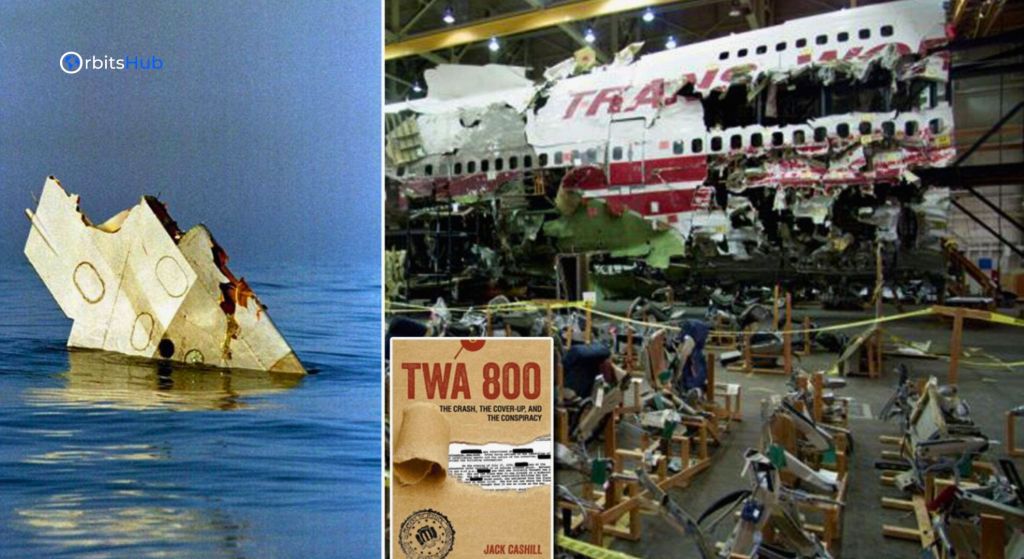
TWA Flight 800 (1996) – An Explosion Raises Questions
A Boeing 747 carrying 230 passengers and crew members went down in flames just after departure from New York on July 17, 1996. Initial speculation centered around a terrorist attack, but a lengthy investigation revealed that a faulty fuel tank gauge sparked an explosion. The accident led to stricter regulations on fuel tank maintenance and improved fire detection systems.
Malaysia Airlines Flight 370 (2014) – A Disappearance that Haunts
On March 8, 2014, Malaysia Airlines Flight 370, a Boeing 777, vanished en route from Kuala Lumpur to Beijing. Despite extensive search efforts, no wreckage has ever been found. The unexplained disappearance of MH370 remains one of aviation’s biggest mysteries, raising questions about security protocols and in-flight emergencies.
Learning From the Past: Aircraft Accidents
While these flight accidents were tragic, they served as crucial turning points in aviation safety. Each incident led to stricter regulations, improved technology, and enhanced pilot training. The air travel industry continues to prioritize safety, constantly learning and adapting to minimize the risk of future accidents.
Ready to navigate new horizons in maritime and aviation consultancy? Dive into Orbitshub now to explore cutting-edge solutions and expert guidance. Whether you’re charting maritime routes or soaring through the skies, discover how Orbitshub can elevate your operations.