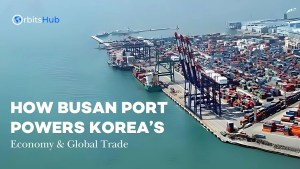
A quiet revolution is taking place in the heart of Europe, where ancient rivers wind their way through bustling cities and serene countryside. Inland navigation, once overshadowed by roads and railways, is emerging as a critical player in the quest for sustainable transport. This is not just a tale of boats and barges; it’s a story of innovation, environmental stewardship, and economic opportunity.
The Rivers That Shaped Civilizations

Since time immemorial, rivers have been the lifeblood of civilizations. The Nile, the Yangtze, and the Mississippi – these waterways have nurtured cultures, facilitated trade, and connected people across vast distances. The Rhine, Danube, and Seine have played similar roles in Europe. These historic waterways are being reimagined as superhighways for the 21st century.
Although inland navigation has been introduced previously, its potential has never been more relevant. In an age where carbon emissions and traffic congestion are pressing concerns, the calm waters of inland waterways offer a promising alternative. Did you know that a single barge can carry 100 trucks? This simple fact underscores the immense potential of inland navigation in reducing road traffic and carbon emissions.
The Renaissance of River Transport
As we delve deeper into the world of inland navigation, we discover a sector undergoing a renaissance. In the Netherlands, synonymous with water management, inland waterways account for 44% of all domestic freight transport. This is not an anomaly but a glimpse into what’s possible when we harness the power of our rivers and canals.
The European Union, recognizing the potential of inland navigation, has set ambitious targets. By 2030, they aim to shift 30% of road freight traveling over 300 km to more sustainable modes such as inland waterways or rail. This isn’t just a pipe dream; it’s a concrete plan backed by significant investments and policy support.
Inland Navigation Statistics
Key Facts:
- 44% of domestic freight in the Netherlands is transported via inland waterways
- EU aims to shift 30% of road freight over 300km to sustainable modes like inland waterways by 2030
- Currently, inland waterways carry just 6% of EU freight
Source: European Commission NAIADES III action plan and latest statistics
Innovation on the Water
Inland navigation isn’t just about moving more goods on water. It’s about innovation and pushing the boundaries of what’s possible. In Antwerp, Belgium, we find the world’s first hydrogen-powered tugboat, symbolic of the sector’s drive towards zero-emission vessels. This isn’t an isolated example; electric and hybrid vessels are becoming increasingly common across Europe, turning inland waterways into testing grounds for green technologies.
Innovation extends beyond propulsion systems. Innovative shipping technologies are transforming how vessels navigate. Automated locks and bridges streamline operations, while real-time data on water levels and traffic conditions optimize route planning. These advancements are making inland navigation greener, more efficient, and more reliable.
Economic Ripples
The resurgence of inland navigation is creating economic ripples that extend far beyond the water’s edge. Port cities along inland waterways are experiencing a revival. Take the port of Duisburg in Germany, the world’s largest inland port. It handles over 130 million tons of cargo annually and supports 45,000 regional jobs. This is the multiplier effect of inland navigation in action.
But it’s not just about big ports. Smaller towns and rural areas also benefit from this. Inland ports are becoming multimodal hubs, connecting water, road, and rail transport. This is opening up new economic opportunities for regions that were previously off the main transport arteries.
Challenges and Solutions
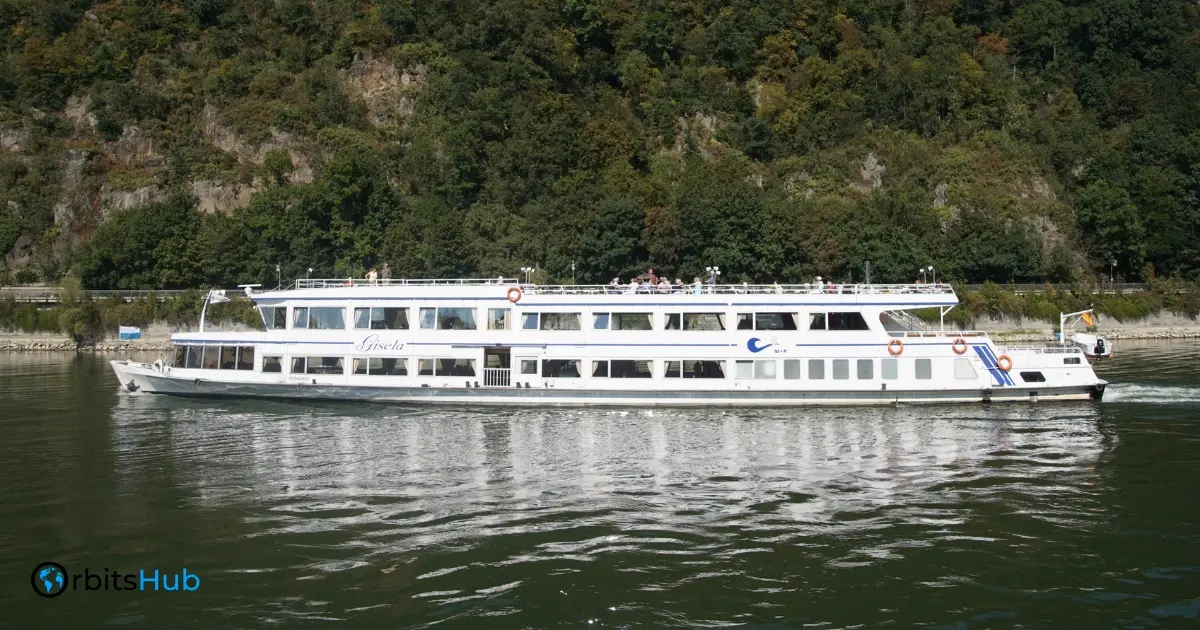
Climate change alters water levels, making some routes unreliable during certain seasons. However, this challenge is spurring innovation in vessel design. Ships with shallow drafts and more efficient hulls are being developed to navigate in varying water conditions.
Infrastructure is another critical issue. Many of Europe’s locks and canals were built decades, if not centuries ago. Upgrading this infrastructure is a massive undertaking but also an opportunity. The European Union’s Connecting Europe Facility has allocated billions of euros for inland waterway projects, recognizing that investments in this sector pay dividends in reduced congestion and lower emissions.
The Human Element
It’s about the captains who navigate these waterways, the engineers designing the next generation of vessels, and the port workers keeping the flow of goods moving. It’s also about the communities along these waterways, who are rediscovering their connection to the rivers that have shaped their histories.
Education and training are crucial elements in this narrative. As inland navigation evolves, so must the skills of those working in the sector. Across Europe, specialized training programs are emerging to prepare the next generation of inland navigation professionals. These programs blend traditional seamanship with cutting-edge technology, ensuring the sector has the skilled workforce it needs to thrive.
A Global Perspective
While our story has focused on Europe, the potential of inland navigation is being recognized globally. The Yangtze River Economic Belt in China is a prime example of how inland waterways can drive regional development. The project aims to create a golden watercourse, enhancing connectivity and fostering economic growth along the river’s 6,300 km length.
The Mississippi River system remains a crucial artery for the United States economy. Each year, it carries 175 million tons of freight, showcasing the enduring importance of inland navigation even in a country dominated by road transport.
The Future is Blue and Green
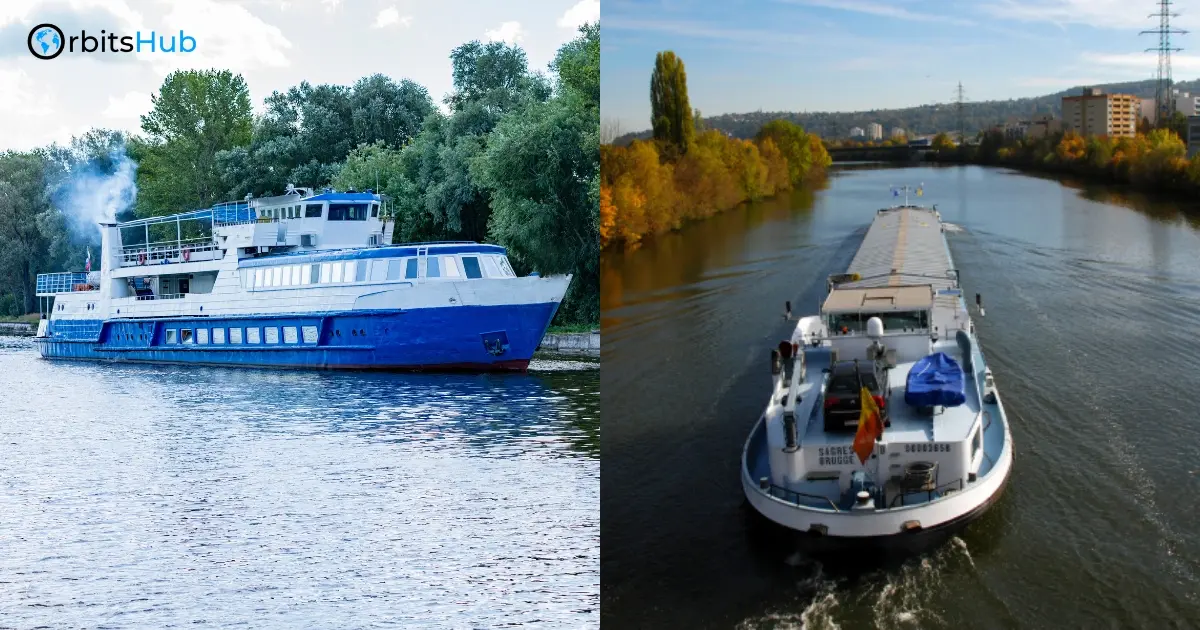
As we look to the future, the potential of inland navigation shines brighter than ever. It offers a unique blend of economic efficiency and environmental sustainability. A single liter of fuel can move one ton of cargo 127 km by inland waterway, compared to just 97 km by rail or 50 km by road. These efficiency gains translate into significant reductions in carbon emissions.
However, the benefits of inland navigation extend beyond mere numbers. It offers a different rhythm and a more sustainable pace, harmonizing with the natural world. As our societies grapple with the urgent need to reduce carbon emissions and build more resilient transport systems, inland navigation emerges as a compelling solution.
A Call to Action
The story of inland navigation is still unfolding, with roles for all of us. Policymakers must recognize its strategic value, businesses should explore integration into supply chains for cost and environmental benefits, and individuals can appreciate the essential role of these “blue highways” in our economies and ecosystems.
At this pivotal moment, inland navigation offers a sustainable, efficient path forward. Embracing our rivers and canals allows us to write a new chapter in transport, where economic progress and environmental stewardship align.
This quiet revolution is reshaping landscapes, economies, and our connection to these age-old waterways. It’s more than a logistics shift—it’s a reimagining of transport and a rediscovery of our rivers’ potential.
Frequently Asked Questions
A: Approximately 6% of total freight transport in the EU is carried by inland waterways.
A: Inland waterway transport can reduce CO2 emissions by up to 75% compared to road transport for the same cargo volume and distance.