


Vertical takeoff aircraft, a marvel of modern aeronautical engineering, has revolutionized the aviation industry with its unique vertical takeoff and landing capability. These aircraft, known as VTOL (Vertical Takeoff and Landing) aircraft, have become an integral part of military and civilian aviation worldwide. This article presents an in-depth study of vertical takeoff aircraft, shedding light on their design, development, operational history, and significance.
Understanding Vertical Takeoff Aircraft
A vertical takeoff aircraft is a type of aircraft that takes off and lands vertically, eliminating the need for a runway. These aircraft can hover, take off, and land vertically. Hence, they are an amalgamation of the flexibility of helicopters and the speed and range of conventional fixed-wing aircraft.
Classification of VTOLs
VTOL aircraft can be classified into three main categories:
Tiltrotor Aircraft: For takeoff and landing, these planes’ rotors can be tilted vertically; for forward flight, they can be tilted horizontally.
Tailsitter Aircraft: These aircraft sit vertically on their tail for takeoff and landing, then transition to horizontal flight.
Lift-jet Aircraft: These aircraft use jet engines to generate lift for vertical takeoff and landing and transition to conventional jet thrust for forward flight.
Challenges and Considerations for VTOL Operations
- Complexity of Flight: VTOL aircraft require pilots to manage a more complex flight profile than conventional aircraft, particularly during the transition phase between vertical and horizontal flight.
- Safety Concerns: VTOL aircraft’s unique design and operation raise specific safety considerations. This could include discussions on potential engine malfunctions, downwash effects in confined spaces, and emergency landing procedures.
- Noise Pollution: VTOL aircraft engines, particularly vertical lift ones, can generate significant noise pollution. This section could explore the impact on surrounding communities and potential noise mitigation strategies.
- Operational Costs: The complexity of VTOL technology can translate to higher maintenance and operational costs compared to conventional aircraft. This section could discuss factors contributing to these costs and potential areas for optimization.
The Genesis of Vertical Takeoff Aircraft
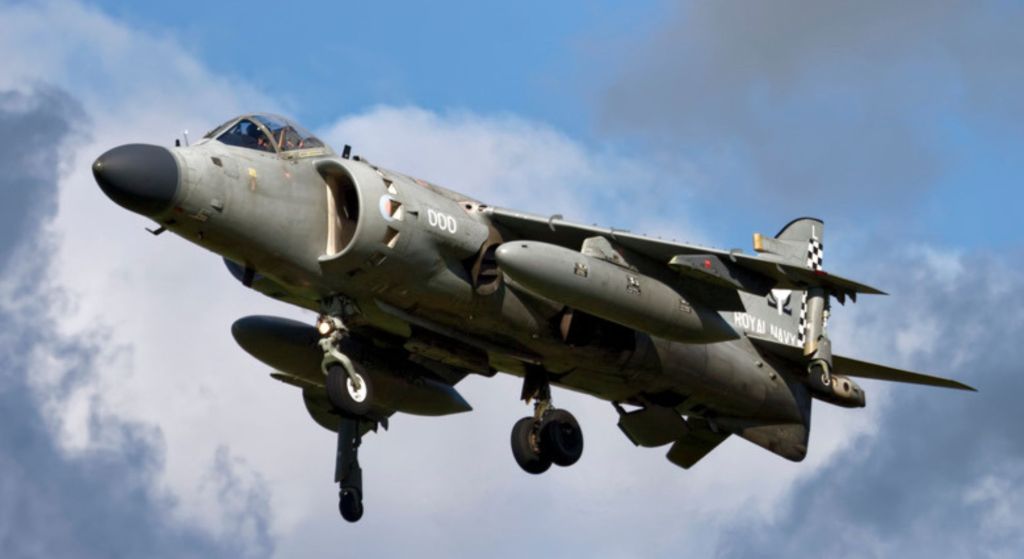
Vertical takeoff aircraft originated from the desire to eliminate the dependency on vulnerable runways by enabling aircraft to operate from confined spaces. The first successful VTOL aircraft was the British Harrier Jump Jet, which used a vectored thrust design to achieve vertical takeoff and landing.
Early VTOL Designs
The earliest designs of VTOL aircraft were largely experimental, with many designs proving unsuccessful due to the technological limitations of the time. Early VTOL designs included the “tailsitter” concept, where the aircraft would take off, land vertically, and transition to horizontal flight.
Pioneers of VTOL Technology
Several aerospace manufacturers have made significant contributions to the development of VTOL technology. These include companies like Yakovlev, Bell Boeing, and Lockheed Martin.
Companies such as Airbus and Sikorsky have played pivotal roles in advancing VTOL technology, each bringing unique expertise and innovation to the field. Through collaborative efforts and individual research endeavors, these manufacturers have collectively pushed the boundaries of vertical takeoff and landing capabilities, paving the way for diverse applications in the military, commercial, and urban mobility sectors.
Yakovlev Yak-141
The Yakovlev Yak-141, also known as the Yak-41, was a Soviet supersonic VTOL fighter aircraft. Designed as a fleet defence fighter capable of STOVL/VTOL operations, the Yak-141 was intended to replace the Yak-38. The Yak-141, however, was cancelled in 1991 after the construction of four prototypes.
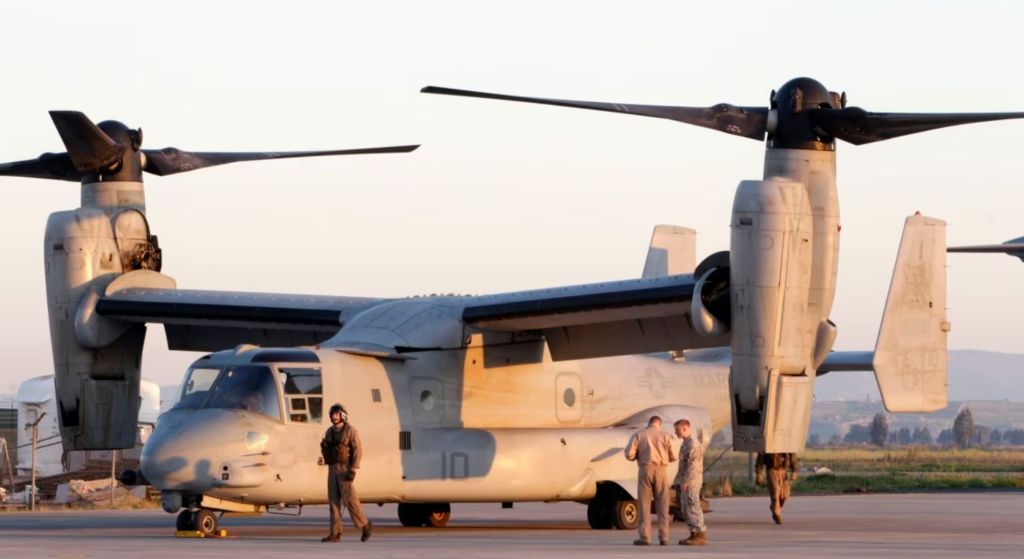
Bell Boeing V-22 Osprey
A multi-mission tiltrotor military aircraft, the Bell Boeing V-22 Osprey can land both vertically and short takeoff and landing (STOL). Its design aims to merge a regular helicopter’s practicality with a turboprop plane’s speed and range.
Lockheed Martin F-35B
The Lockheed Martin F-35B is a variant of the F-35 Lightning II, designed with the capability for short takeoff and vertical landing (STOVL). The F-35B is the first aircraft to combine stealth technology with STOVL capabilities.
Design and Development of VTOL Aircraft
Designing a VTOL aircraft involves overcoming numerous engineering challenges. These challenges include developing an aerodynamic design that can handle the transition from vertical to horizontal flight, creating an engine capable of producing sufficient lift, and ensuring the aircraft is stable and controllable during all phases of flight.
Aerodynamics
The aerodynamics of a VTOL aircraft are more complex than a conventional aircraft due to the need for the aircraft to transition between vertical and horizontal flight. The aircraft must be designed to maintain stability and control during the transition phase, which requires a delicate balance of lift, thrust, and drag.

Powerplant
The powerplant of a VTOL aircraft is a critical component of its design. The aircraft engines must produce enough lift to allow the aircraft to take off vertically yet be efficient enough to enable the plane to cruise at high speeds. This often requires a combination of different types of aircraft engines, such as turbojets for vertical lift and turbofans for horizontal flight.
Control Systems
The control systems of a VTOL aircraft must enable the pilot to control the aircraft during all phases of flight. This can be challenging during the transition phase, where the aircraft transitions from vertical to horizontal flight (or vice versa), and the control inputs required can change significantly.
Operational History of VTOL Aircraft
VTOL aircraft have a rich operational history, with numerous models serving various roles across military and civilian sectors. Their unique capabilities have made them valuable assets in many operations, from combat missions to search and rescue operations.
Military Use
VTOL aircraft have been used extensively in military operations due to their ability to operate from confined spaces and excellent manoeuvrability. They have played crucial roles in combat operations, offering capabilities that conventional aircraft cannot provide.
Civilian Use
In civilian sectors, VTOL aircraft are often used in roles where the ability to take off and land vertically is advantageous. This includes air ambulance services, bush flying, and other roles where operating from a conventional runway is impossible.
Notable VTOL Aircraft
There are several notable VTOL aircraft that have significantly contributed to the evolution of this technology. These aircraft include the Harrier Jump Jet, the V-22 Osprey, and the F-35B Lightning II.
Harrier Jump Jet
The Harrier Jump Jet is a British-designed military aircraft capable of VTOL and STOVL operations. It’s one of the most successful VTOL aircraft, with variants serving in the armed forces of several countries. The Harrier’s unique ability to hover, fly backwards, and perform other unconventional manoeuvres made it a valuable asset in various military operations.
V-22 Osprey
The V-22 Osprey is a tiltrotor VTOL aircraft designed by Bell Boeing. It has the speed and range of a regular fixed-wing plane with the vertical lift of a helicopter. The V-22 has seen extensive service in the U.S. military for transport and medevac operations.
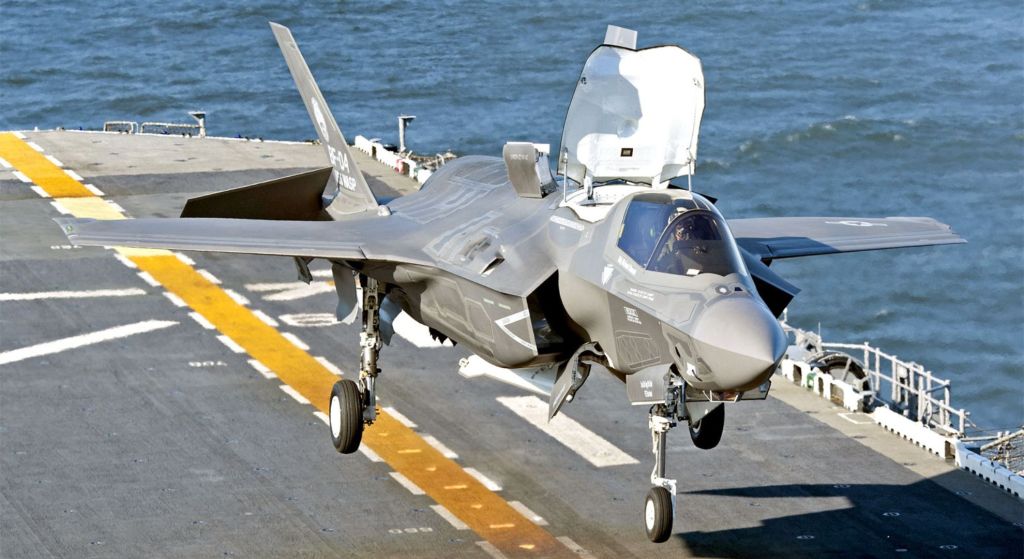
F-35B Lightning II
The F-35B Lightning II is a variant of the F-35 multirole fighter capable of short takeoff and vertical landing (STOVL). Because it was the first of its kind, it is among the most cutting-edge VTOL planes because of its stealth technology and STOVL capabilities.
The Future of VTOL Technology
The future of VTOL technology is promising, with numerous advancements on the horizon. As technology evolves, we can expect VTOL aircraft to become more efficient, versatile, and accessible.
Electric VTOL Aircraft
Electric VTOL (eVTOL) aircraft represent the future of VTOL technology. These aircraft seek to offer a sustainable and environmentally friendly alternative to traditional VTOL aircraft. Several companies are developing eVTOL aircraft for air taxi services and other applications.
Advancements in Autonomy
Advancements in autonomy and artificial intelligence will also shape the future of VTOL technology. Autonomous VTOL aircraft, capable of operating without a pilot, could revolutionize delivery services, emergency response, and personal transportation sectors.
FAQ’s
1. What is a vertical takeoff aircraft?
A vertical takeoff aircraft is a type of aircraft that can take off and land vertically without the need for a lengthy runway. This capability is typically associated with helicopters and certain types of drones. Still, it also includes VTOL (Vertical Takeoff and Landing) fixed-wing aircraft like the Harrier Jump Jet and the F-35B Lightning II.
2. How does a vertical takeoff aircraft work?
Vertical takeoff aircraft usually employ thrust vectoring, tiltrotor systems, or vertically-oriented engines to generate lift directly opposing gravity. This allows them to lift off the ground straight up rather than achieving lift through forward motion.
3. What are the advantages of vertical takeoff aircraft?
Versatility:
Can operate in confined spaces or areas without runways.
Agility:
Enhanced manoeuvrability, especially in urban environments or rugged terrain.
Rapid Deployment:
Quick takeoff and landing capabilities make them ideal for emergency, military, and rescue operations.
4. Are vertical takeoff aircraft used commercially?
Vertical takeoff aircraft are used commercially, especially in helicopters, for tours, medical evacuations, and short-distance transportation. Newer VTOL aircraft designs, such as air taxis, are also being developed for potential use in urban air mobility.
5. What are some challenges associate with vertical takeoff aircraft?
Complexity:
The engineering required for VTOL capabilities can be complex.
Cost:
Typically, they are more expensive to produce and maintain.
Noise:
Vertical takeoff aircraft can generate significant noise levels.
6. Can vertical takeoff aircraft fly at high speeds?
Vertical takeoff aircraft vary in their top speeds. While helicopters generally have lower top speeds than fixed-wing aircraft, some VTOL aeroplanes can match or exceed the speeds of traditional aircraft once they transition to horizontal flight.
7. Are there any electric vertical takeoff aircraft?
Yes, there are several developments in electric vertical takeoff and landing (VTOL) aircraft. These are part of an emerging industry focused on creating more environmentally friendly and potentially quieter urban air travel solutions.
Vertical takeoff aircraft represent a significant advancement in aviation technology. Their unique capabilities have made them valuable assets in both military and civilian sectors, and their potential for future development is immense. VTOL aircraft will maintain their pivotal position in the future of aviation as technology progresses.


Comment(01)
What are the safety mechanisms available in case of power loss? Perhaps a integrated parachute that is deployed in crisis situations?