Technical Features of the Welland Canal
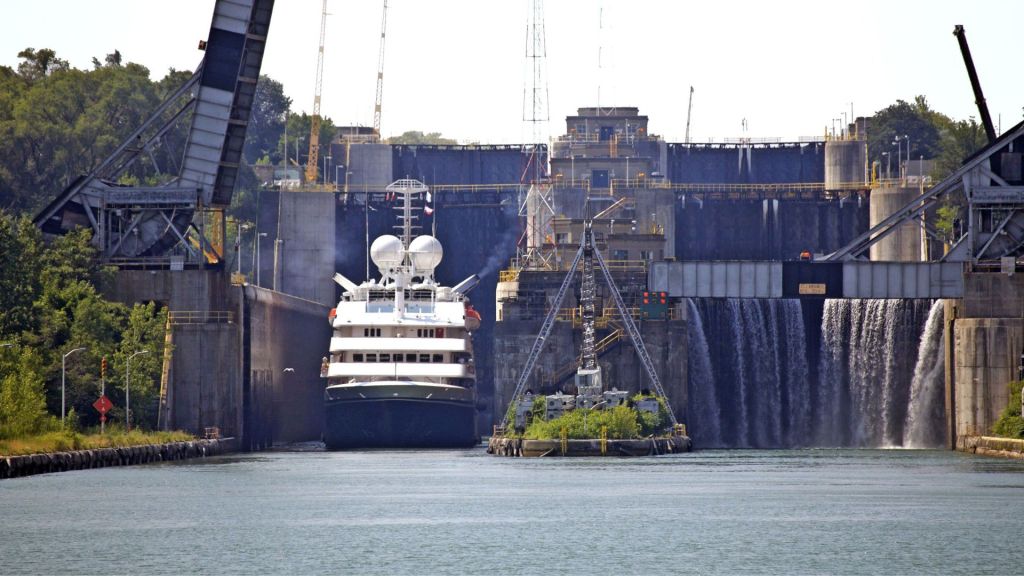
The Welland Canal’s engineered course demonstrates the pinnacle of human ingenuity in overcoming the natural barrier posed by Niagara Falls between Lake Erie and Lake Ontario. Construction required excavating an 80 to 200 meter wide channel measuring 43.4 km long to reroute water flows. The canal drops 99.5 vertical meters along its route, necessitating an elaborate lock system of 8 stair-stepped chambers allowing ship transit. This technical feat funnels Great Lakes vessels along a placid bypass providing safe detour around the precipitous cascades.
Major Expansions and Upgrades Over the Years
The Welland Canal’s capacities and capabilities have grown in parallel with burgeoning Great Lake’s trade. Early 20th century improvements expanded channel widths and depths enough for early lakers. But the waterway underwent wholesale reconstruction between 1913 to 1932. This included rebuilding all lock chambers with reinforced concrete and creating an entirely new Welland bypass channel able to handle vessels over 600 ft. Ongoing upgrades continue today via new retaining works and extended locks facilitating passage of longer 1000 ft ships. These changes maintain the canal’s strategic role.
Ships and Cargo Transported on the Waterway
The Welland Canal today caters to lean laker bulk cargo freighters and liquid product tankers moving commodities vital for regional industries. Its depth and locks now routinely accommodate ships of 30,000 tons hauling raw construction aggregates, iron and nickel ore, coal, and wheat as well as oil and liquid chemicals. By providing these vessels reliable inter-lake transit avoiding Niagara Falls, manufacturing plants and consumers benefit all across the Midwest from Quebec to Minnesota.
Operation and Administration of the Canal
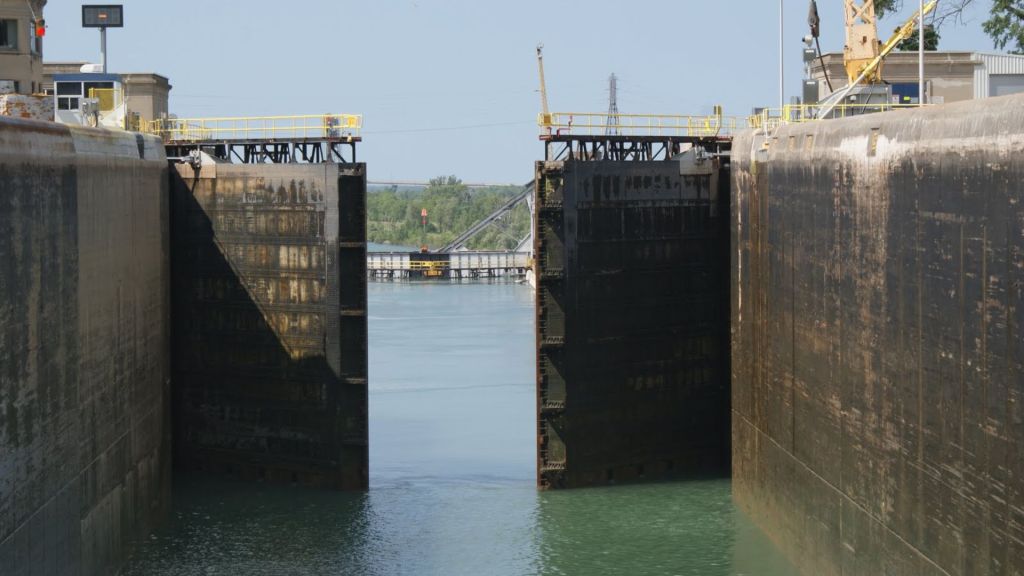
Daily management of the Welland Canal falls under the auspices of the non-profit Saint Lawrence Seaway Management Corporation. This oversees essential upkeep such as winter months closures, channel depth maintenance via dredging, and any required infrastructure repairs necessary during the March to December shipping season. Keeping the canal fully functional relies on this entity’s stewardship despite weather variabilities and aging components. Administration even extends internationally since the waterway ultimately links ports in both Ontario and New York.
Impact on Surrounding Communities and Regions
The buffered inland harbors and direct water access fostered along the Welland Canal route catalyzed urban growth in cities like Port Colborne, Thorold, and Welland itself. These communities blossomed specifically from canal-dependent industries. And by facilitating trade, the engineered channel generally stimulates economies through all locales bordering the Great Lakes. Traffic through locks raises metropolitan areas near connections to Lakes Ontario, Erie and beyond via goods transport cost savings not otherwise possible.
Environmental Considerations of the Waterway
While an economic boon, the unnatural Welland Canal also incurs environmental detriments requiring mitigation. Constructing this oceangoing vessel channel severs natural animal corridors and enables invasive species passage between lakes. Ongoing dredging and bank reinforcement using contaminated sediment further degrades regional habitat and water quality. Pollution traces back to early industrial days, but solutions now focus on restricting contaminated material dispersal while first remediating toxicity hotspots.
Recreational Usage and Sightseeing Opportunities
Beyond utilitarian shipping usage, the Welland Canal waterway appeals to recreational users. Summer months draw myriad pleasure crafts and charter boats for lock traversing canal tours originating from marinas scattered along its length. Parks, trails and museums like the St. Catharine’s Museum at Lock 3 and Welland Canals Parkway allure tourists further, giving both boaters and sightseers alike a glimpse into the channel’s storied past and bright future.
Safety Precautions and Accident Prevention

Maintaining safe passage along the Welland Canal obligates several precautions governing transiting vessels like imposing speed limits, establishing right-of-way protocols, mandating certified crew requirements and enforcing strict operating rules. Ongoing improvements further aid incident prevention via rebuilt retaining walls, upgraded technological aids and advanced emergency response capabilities. But human oversight through the Saint Lawrence Seaway Management Corporation ultimately safeguards canal operations from undue harm.
Future Expansion Possibilities and Outlook
Even after almost two centuries of impressive engineering feats, possibilities exist to further expand Welland Canal capacities via additional lock construction permitting more vessel traffic and ever larger ships. And cargo loads appear destined for growth as marine shipping expands across continents. Hence, while the waterway’s current configuration suffices for now, gradual improvements may eventually widen and deepen the channel further to match future inter-lake trade demands. If merited economically, such well-considered upgrades will keep the Welland Canal functioning as the linchpin link between Lake Ontario and points across the Midwest.