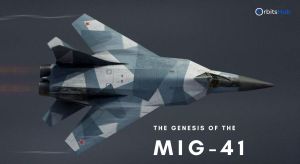
Vertical Takeoff and Landing (VTOL) aircraft have captured people’s imaginations for decades. Imagine a world where personal air taxis whisk you across the city, or emergency responders can land directly at accident sites. Vertical Takeoff and Landing (VTOL) technology holds immense potential for revolutionizing transportation and various other sectors. However, designing and building functional VTOL aircraft comes with its own set of challenges.
Balancing Flight Modes: A VTOL’s Biggest Challenge
VTOL aircraft must excel in two distinct flight modes: vertical takeoff, landing, and horizontal cruise. This requirement creates a fundamental conflict in design principles.
Challenges in Vertical Takeoff and Landing
- High Thrust-to-Weight Ratio: During vertical takeoff, the VTOL needs to make enough thrust to pull off, even though it is heavy. This necessitates powerful engines, which can be bulky and add significant weight to the aircraft.
- The complexity of Control Systems: Maintaining stability while hovering or during low-speed manoeuvres requires sophisticated flight control systems. These systems need to be responsive and account for the unique aerodynamics of VTOL flight.
- Fuel Efficiency: Powerful engines required for vertical flight often translate into higher fuel consumption. This becomes a significant concern for extended range or payload capacity.
Challenges in Horizontal Cruise Flight
- Aerodynamic Efficiency: Unlike conventional aeroplanes with fixed wings, VTOL designs often involve wing shape and size compromises for vertical takeoff capabilities. This can lead to less efficient airflow and reduced cruise speed than aeroplanes.
- Drag and Noise: The propellers or rotors used for vertical flight can create significant drag during horizontal flight, impacting overall efficiency and generating noise pollution.
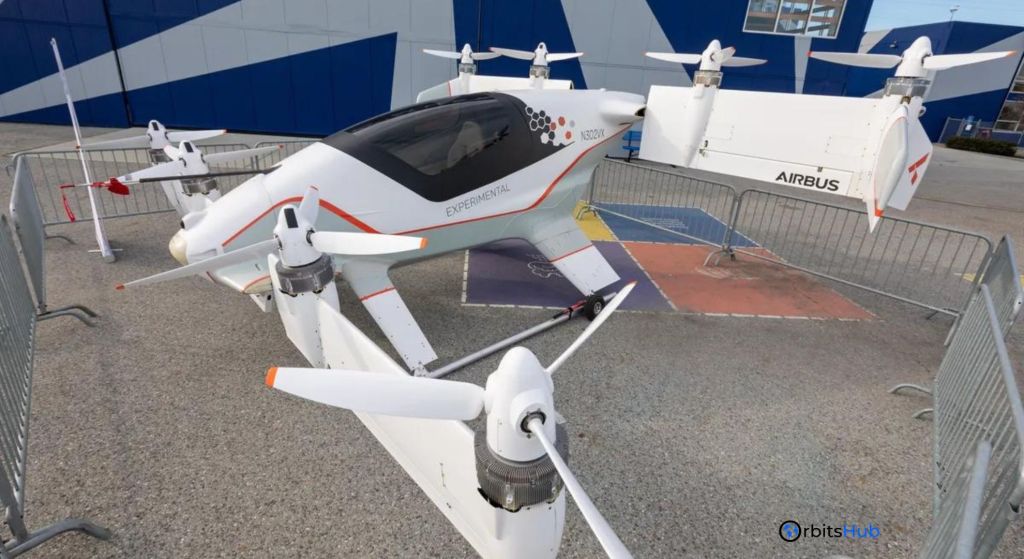
Different VTOL Design Approaches and Their Trade-offs
There are several approaches to achieving VTOL capabilities, each with advantages and disadvantages. Here’s a look at some prominent designs:
- Rotary-Wing VTOL (Helicopters): These are the most common VTOL aircraft used today. Helicopters use a swashplate mechanism to tilt the rotor blades and generate thrust in any direction. While highly manoeuvrable and excellent for hovering, helicopters are generally slower and less fuel-efficient than aeroplanes.
- Tiltrotor VTOL: This design combines a helicopter’s vertical takeoff capabilities with a fixed-wing aircraft’s forward flight efficiency. The rotors can be tilted upwards for vertical flight and then transitioned forward for horizontal flight. Tiltrotors balance manoeuvrability, speed, and range but are mechanically complex and expensive to build.
- Lift + Cruise (ducted fans): This design utilizes separate sets of engines or fans for vertical and horizontal flight. Lift fans provide thrust for takeoff and landing, while cruise engines propel the aircraft forward. This approach offers good efficiency in cruise mode but can be complex and add weight due to the additional engines.
- Powered Lift (STOVL): Short Takeoff and Vertical Landing (STOVL) aircraft like the F-35B Lightning II can take off with a very short runway roll using high-powered jet engines with special nozzles that can be directed downwards for additional lift. While not strictly VTOL, STOVL designs offer more excellent range and speed than pure VTOL aircraft, but they still require dedicated airfields for takeoff.
Additional Challenges in VTOL Development
- Energy Density and Battery Technology: Electric VTOL aircraft are an exciting prospect due to their potential for lower noise pollution and emissions. However, battery technology needs more energy density to power large VTOL vehicles for long distances. For electric VTOL planes to become widely used, battery technology must keep getting better.
- Safety Considerations: VTOL operations introduce unique safety challenges, especially in urban environments. Redundant systems, comprehensive air traffic management regulations, and robust pilot training will be essential for ensuring the safe operation of VTOL aircraft.
- Noise Pollution: The powerful engines and propellers used in VTOL aircraft can generate significant noise, which could be a primary concern for communities near landing and takeoff zones. To mitigate noise pollution, quieter VTOL systems and designated vertiports in less populated areas will be necessary.
Urban Air Mobility and VTOL Integration
Urban Air Mobility (UAM) is the idea of a network of VTOL air taxis that can be called whenever needed in towns. While technologically feasible, integrating VTOL aircraft into urban environments presents a new set of challenges:
- Infrastructure Development: Developing a network of vertiports for takeoff, landing, and charging of VTOL aircraft will be crucial for UAM to become a reality. These vertiports must be strategically located to minimize noise pollution and ensure convenient access for passengers and cargo. Additionally, regulations and safety standards for vertiport operations must be established.
- Air Traffic Management: Integrating VTOL aircraft into existing air traffic management systems will be complex. New protocols and procedures will be needed to manage the low-altitude airspace where VTOL aircraft will operate safely. This will involve close collaboration between civil aviation authorities, VTOL operators, and urban air traffic control centres.
- Public Acceptance: Introducing VTOL air taxis in cities will require public acceptance. Addressing concerns about noise pollution, safety, and privacy will be crucial. Public education and outreach programs can help build trust and understanding of VTOL technology.
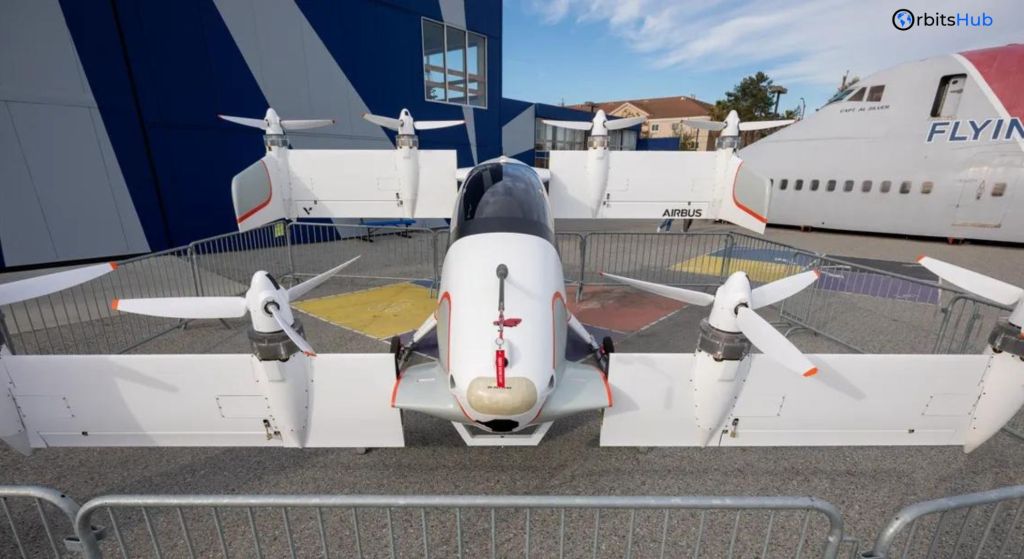
The Role of OrbitsHub in VTOL Development
The challenges associated with VTOL development are complex and multifaceted. OrbitsHub, a top marine and aviation consulting firm, can help you navigate this exciting but complicated field. Here’s how we can help:
- Feasibility Studies and Market Analysis: Our team of experts can conduct comprehensive feasibility studies to assess the viability of VTOL operations in your specific context. We will analyze market demand, potential routes, and operational costs to help you make informed decisions.
- Regulatory Compliance: VTOL development and operation are subject to a complex regulatory framework. OrbitsHub can guide you through the regulatory process, ensuring your VTOL project complies with all applicable safety and environmental standards.
- Technology Selection and Integration: With a deep understanding of various VTOL design approaches and emerging technologies, OrbitsHub can advise you on selecting the most suitable VTOL technology for your needs. We can also assist with integrating different Vertical Takeoff and Landing systems to ensure seamless operation.
- Urban Air Mobility Planning: OrbitsHub can help you develop a comprehensive UAM strategy, including vertiport design, air traffic management integration, and community engagement plans.
Explore OrbitsHub Website!
By leveraging OrbitsHub‘s expertise, you can gain a significant advantage in the VTOL landscape. Visit our website to learn more about our VTOL consulting services and how we can help you navigate the path towards a successful VTOL project.