


Nestled in the azure waters of the Bay of Bengal, Duncan Passage is a testament to nature’s raw beauty and hidden perils. This narrow strait, stretching approximately 48 kilometres long, is a vital link between the Andaman Sea and the Bay of Bengal.
While it may appear serene on the surface, Duncan Passage harbours many risks and unknowns that have captivated mariners, scientists, and adventurers alike for generations.
A Geographical Marvel of Duncan Passage
Duncan Passage cuts through the Andaman and Nicobar Islands, separating Little Andaman Island to the west from Rutland Island to the east.
This strategic waterway varies in width from 1.5 to 15 kilometres, creating a dynamic and ever-changing environment. The passage’s unique geography shapes the region’s climate, marine life, and navigation challenges.
Width
1.5 to 15 km
Marine Life
Rich Biodiversity
Navigation
High Risk, High Skill
Geography
Coral Reefs & Rocky Bottom
Climate Impact
Dynamic Weather Patterns
Islands
Little Andaman & Rutland
As ships traverse Duncan Passage, they encounter a seabed that tells a story of geological wonder and potential danger.
The rocky bottom, adorned with coral reefs and underwater formations, creates a labyrinth of obstacles that demand the utmost attention from even the most experienced navigators. While impressively beautiful, these features pose a significant risk to vessels that fail to navigate with accuracy.
The Depths of Duncan Passage

Beneath the surface, Duncan Passage reveals its true nature. The depth of this maritime corridor varies dramatically, with some areas plunging to over 100 meters. This variance in depth creates complex underwater topography that influences currents, tides, and marine life patterns.
For ships passing through, the changing depths require constant awareness and careful planning to avoid running aground or damaging their hulls on hidden shoals.
A Hub of Biodiversity in Duncan Passage
The waters of Duncan Passage teem with life, offering a glimpse into one of the world’s most diverse marine ecosystems. Countless fish species, including groupers, snappers, and parrotfish, call these waters home.
The passage also serves as a critical habitat for larger marine mammals, with several species of dolphins, whales, and sea turtles frequenting the area.
However, this rich biodiversity also presents hidden risks. Large marine animals can pose challenges for ships, especially during migration seasons when their numbers increase. Collisions with these creatures endanger the animals, can cause significant damage to vessels, and potentially lead to environmental disasters.
The Tidal Tango of Duncan Passage
One of the most formidable challenges those navigating Duncan Passage face is the unpredictable nature of its tidal currents.
Influenced by the moon’s gravitational pull, the passage’s unique geography, and regional weather patterns, these powerful forces can change direction and intensity with alarming speed. These currents can sweep ships off course, potentially causing collisions with other vessels or the Dangerous shoreline.
One cannot overstate the strength of these currents. During peak tidal flows, currents in Duncan Passage can reach up to 4 knots, exerting tremendous force on ships and making manoeuvring extremely challenging. This dance with the tides requires expert knowledge, precise timing, and constant vigilance from captains and their crews.
Weather Woes of Duncan Passage
The weather patterns surrounding Duncan Passage add another layer of complexity and risk to navigation. The region experiences a monsoon climate, with the southwest monsoon causing intense rainfall and powerful winds from May to September. This period can severely reduce visibility and make sea conditions treacherous.
Weather Impact on Duncan Passage
Cyclones, while relatively rare, pose a significant threat when they do occur. The passage’s location in the Bay of Bengal makes it vulnerable to these powerful storms, which can generate waves over 10 meters high and winds exceeding 150 kilometres per hour.
Such extreme weather events not only endanger ships but also have the potential to alter the underwater landscape, creating new navigational hazards.
The Human Impact on Duncan Passage
While nature presents many challenges in Duncan Passage, human activity introduces risks and unknowns. The increasing volume of maritime traffic through this strategic waterway raises concerns about pollution, overfishing, and the potential for accidents.
Oil spills, though rare, pose a tragic threat to the delicate ecosystem of Duncan Passage. The complex currents and tides could quickly spread contaminants throughout the region, devastating marine life and coastal communities. The risk of such disasters underscores the need for stringent safety measures and environmental protections.
A Balancing Act of Duncan Passage
We find ourselves at a crucial juncture as we navigate the future of Duncan Passage. Vessels carrying vital goods between India’s eastern coast and Southeast Asia underscore the strait’s strategic importance as a shipping route.
However, we must balance this economic significance against the need to protect the passage’s unique ecosystem and mitigate the risks to human activity and marine life.
Efforts are underway to better understand and manage the challenges Duncan Passage poses. Advanced weather forecasting systems, improved navigational aids, and stricter regulations for ships transiting the area are all steps in the right direction.
Yet, as we continue to uncover this remarkable waterway’s hidden risks and unknowns, it becomes clear that our journey of discovery is far from over.
Navigating the Future
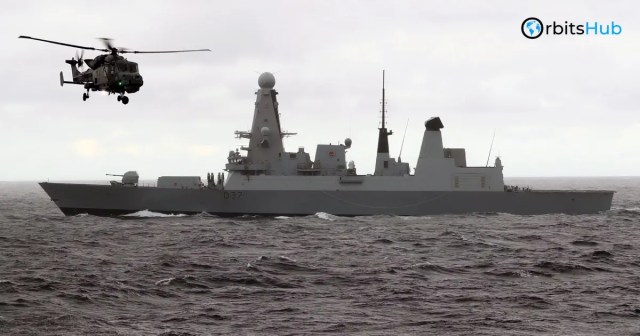
The future of Duncan Passage lies in our ability to respect its power, understand its complexities, and navigate its waters with wisdom and care.
As technology advances and our knowledge deepens, we may find new ways to mitigate the risks and unlock the full potential of this vital maritime corridor.
Until then, Duncan Passage remains a testament to the enduring mystery and majesty of our world’s oceans, challenging us to explore, learn, and adapt in the face of its hidden risks and unknowns.
FAQs About Duncan Passage
The minimum depth of Duncan Passage is approximately 21.9 meters, though depths can vary significantly throughout the strait.
At its narrowest point, Duncan Passage is approximately 1.5 kilometers wide, making navigation challenging for large vessels.
