The Speedwell
The Speedwell was specifically selected to sail alongside the Mayflower due to its role and specifications at the time. As the smaller, faster ship, the Speedwell would be responsible for providing escort duties on the voyage to the Virginia Colony. The group of separatists organizing the journey then joined the Mayflower in meeting the Speedwell off England’s southern coast in July of 1620. Both ships then departed together from Southampton for an initial attempt at the Atlantic crossing. However, not far into the voyage, the Speedwell began springing leaks due to structural issues. Since repairing at sea was impossible at the time, the ships were forced to divert to Dartmouth in England for maintenance work. Unfortunately, a second effort shortly thereafter resulted in the Speedwell again developing troubles. The ships returned to Plymouth for additional repairs, but after a third effort the leaky Speedwell was finally declared unseaworthy for a transatlantic passage.

Transferring Passengers and Supplies
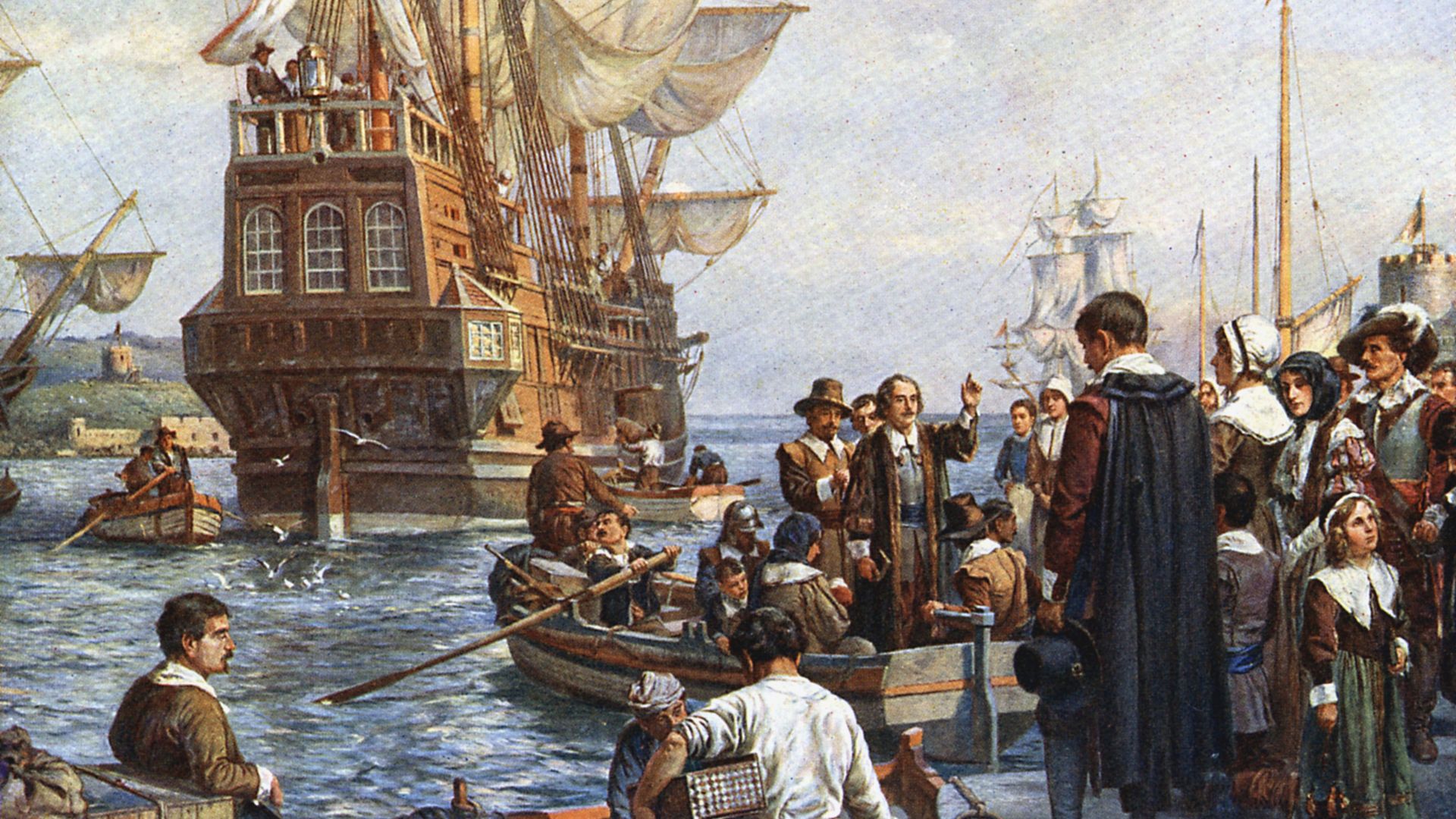
With Atlantic storms increasing later in the year, there was no time to find an adequate replacement for the Speedwell. This meant the difficult decision had to be made in England to leave the damaged Speedwell behind. As a result, provisions had to be redistributed and passengers crammed aboard the Mayflower for the journey ahead. Such changes would have created chaotic and emotional scenes as families were sorted between the ships while supplies were rapidly shifted between decks. In the end, a small contingent stayed behind as the Mayflower prepared to set sail alone from Plymouth with its captain Christopher Jones now solely responsible for 102 anxious passengers and crew.
Mayflower Sets Sail Alone
After an intense period preparing the Mayflower both logistically and emotionally for its solo voyage, the iconic ship finally departed Plymouth, England without its intended escort. As Jones guided the vessel away from its final port, there were surely tearful goodbyes amongst those leaving family members and friends behind while watching England fade from view. The Mayflower was now risking the Atlantic passage alone without protection from pirates or storms that could easily spell disaster. As autumn 1620 storms began swirling over the Atlantic, the crew and passengers had no choice but to have faith in the durability of their singular sailing vessel.
The Voyage Across the Atlantic
The harrowing two-month voyage was marked by cramped conditions below deck combined with the distress aboard such a small ship caught in North Atlantic storms. Without the planned second ship for escort duties, the Mayflower was more susceptible to attack while the crew battled the seas. Ultimately, the vessel landed not in its intended destination of the Virginia Colony but instead at modern-day Cape Cod, Massachusetts. This site would of course become the location of the Plymouth Colony populated by the Pilgrims emigrating aboard the Mayflower. Despite the hardships of disease, weather, and lack of preparations, a settlement was established before the Mayflower returned alone to England.
Legacy of the Mayflower Voyage
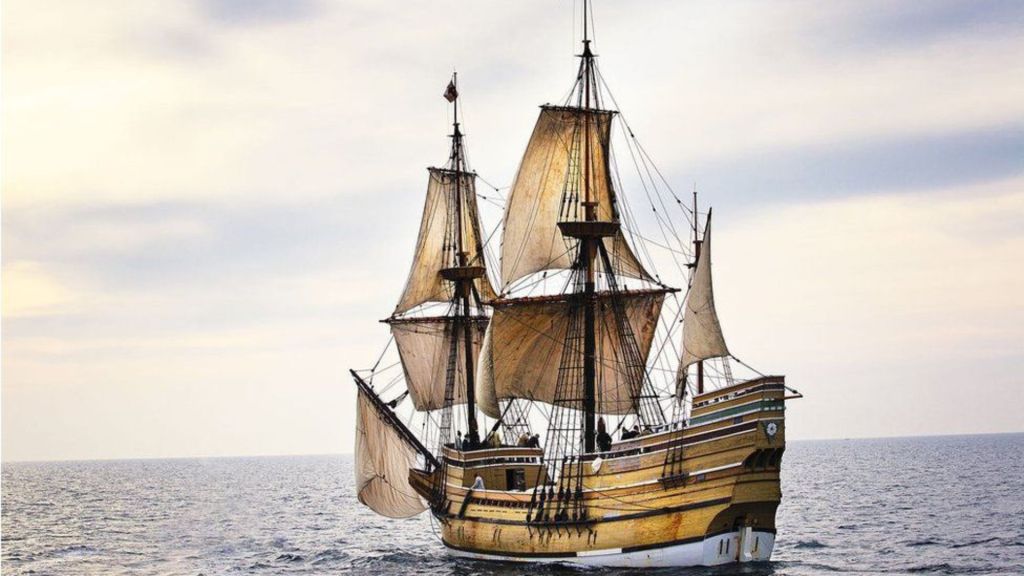
In the centuries since that fateful 1620 crossing, the Mayflower became etched in history as an icon of Colonial America. Yet the memory of her accompanying vessel, the Speedwell, progressively faded from popular narratives describing the Pilgrims’ journey. As a result, even well documented aspects of the original plans for a collaborative sailing have given way to mythology of the Mayflower independently braving the passage with her stalwart crew and passengers. However in truth, the successful settlement of Plymouth Colony relied not only on the perseverance of the Mayflower, but also on critical earlier support from her sister ship Speedwell in preparation for the transformative voyage.
Continuing Misconceptions
Despite evidence of the Speedwell’s integral role initiating the voyage hundreds of years ago, popular belief in the Mayflower as completing her 1620 journey alone persists. Certainly for such an influential moment in exploration, many relevant details understandably evolved into background context. Yet when assessing such mythologized histories, bringing such facts back into focus becomes vital for constructing an accurate chronicle. For behind each legendary accomplishment usually exist collaborators establishing the foundation for what later single figures received credit for alone.
The Mayflower’s month-long Atlantic passage deposited America’s first permanent English settlers upon a land they appropriately called New England. However, common conceptions gloss over her accompanying ship that, despite its weaknesses, was intended to protect the Mayflower when she most needed support. Recognizing the Speedwell’s role, even if ultimately aborted, forms a more complete picture of the risky first steps establishing what became a new nation. In closing, the swells of years and shifting memory can erode the many humble anchors once helping epic voyages materialize. Perhaps with wider view, modern voyagers may better champion those invisible wings which first lift sails.