Imagine cruising through the open sea, the waves gently rocking your vessel as the autopilot seamlessly keeps you on course. It feels like a dream. However, just as an experienced sailor would not navigate only by utilizing the stars, there are times when switching from autopilot to manual steering is critical to ensuring the safety and efficacy of your journey. This comprehensive guide will explore the critical moments when you need to take control of your ship, why it’s necessary, and how to smoothly transition. Whether you’re a seasoned mariner or new to the nautical world, understanding these pivotal points will enhance your navigation skills and safety on the waters.
Understanding Ship’s Autopilot
What is Autopilot?
Autopilot is an advanced navigation system that allows a vessel to maintain a set course without constant human intervention. It uses sensors, gyroscopes, and computers to adjust the ship’s steering mechanism and ensure it stays on the planned route. Autopilot systems are designed to reduce the crew’s workload and improve fuel efficiency by maintaining a steady course.
Benefits of Autopilot
- Reduced Fatigue: Continuous steering can be physically and mentally exhausting. Autopilot alleviates this burden, allowing the crew to rest and focus on other essential tasks.
- Fuel Efficiency: By maintaining a consistent course, autopilot systems can optimize fuel consumption.
- Precision Navigation: Autopilot can handle minute adjustments better than human reflexes, ensuring a precise course over long distances.
When to Switch to Manual Steering
Navigating Through Narrow Channels

Navigating through narrow channels requires precise maneuvering. Autopilot may not react quickly enough to the tight turns and sudden changes in the channel, risking collision with the channel’s sides or other vessels. Manual steering allows for real-time adjustments crucial for safe navigation in these conditions.
In Heavy Traffic Areas
The likelihood of encountering other vessels in busy ports or shipping lanes increases significantly. Autopilot systems may not adequately handle the complexities of avoiding collisions in these dynamic environments. Switching to manual steering ensures you can make immediate and precise maneuvers to navigate heavy traffic safely.
During Severe Weather Conditions
Autopilot systems can struggle in rough seas, high winds, and storms. The vessel’s rapid and unpredictable movements require quick and adaptive responses that autopilot systems might not be able to provide. Manual steering in severe weather allows for better control and reaction to sudden changes, ensuring the vessel’s and crew’s safety.
Approaching and Leaving Ports
The docking and undocking process requires careful and precise control over the vessel. Autopilot systems are not designed to handle the fine adjustments needed for these maneuvers. Switching to manual steering in these situations allows the captain to have complete control, ensuring a smooth and safe docking process.
Responding to Emergencies
In emergencies, every second counts. Manual steering provides the necessary agility and responsiveness, whether it’s avoiding a sudden obstacle, responding to a mechanical failure, or navigating through unexpected hazards. Autopilot systems might delay critical maneuvers, making manual control the better option in
high-stress scenarios.
How to Transition from Autopilot to Manual Steering
Step-by-Step Process
- Prepare the Crew: Before switching to manual steering, inform the crew about the change. This ensures everyone is aware and ready to respond to any instructions.
- Assess the Conditions: Evaluate the current sea conditions, traffic, and potential hazards. This assessment helps in deciding the exact moment to switch.
- Gradual Transition: Gently disengage the autopilot to avoid sudden shifts that can destabilize the vessel. Most autopilot systems have a disengage button or a switch; use it smoothly.
- Take Control: Once autopilot is disengaged, take the helm and adjust the ship’s course. Be prepared for the immediate change in handling.
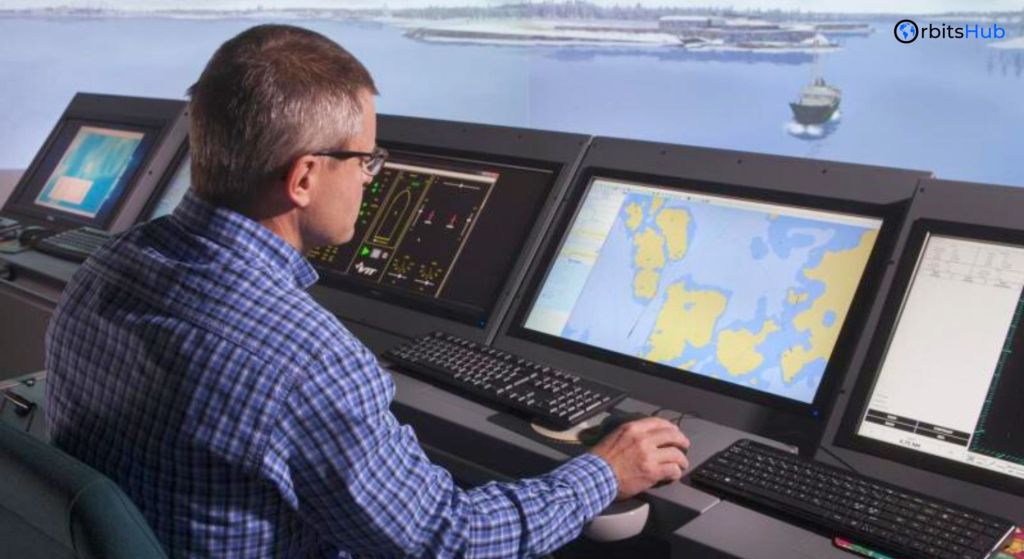
- Monitor Instruments: Continuously monitor the ship’s instruments and navigation systems. This ensures that you know your exact position and can make informed decisions.
Tips for Effective Manual Steering
- Stay Focused: Manual steering requires constant attention. Avoid distractions and keep your focus on the task at hand.
- Use Landmarks and Buoys: Utilize visible landmarks and navigation buoys to maintain your course and avoid shallow waters or obstacles.
- Communicate Clearly: Maintain clear and precise communication with your crew. This ensures that everyone knows the ship’s movements and can react promptly.
- Practice Regularly: Even in calm conditions, practice manual steering regularly to keep your skills sharp. This ensures you’re ready when manual control is necessary.
Switching from autopilot to manual steering is a critical skill for any mariner. Making this shift when and how you do it can significantly improve your journey’s efficiency and safety. Whether navigating through narrow channels, busy ports, severe weather, or emergencies, manual control ensures you have the agility and responsiveness required to handle any challenges.
Autopilot systems are invaluable for reducing fatigue and maintaining a steady course, but they are not a substitute for human judgment and skill. By understanding the key moments to take control, you can ensure your vessel’s and crew’s safety while also improving your navigation skills.
Explore maritime safety and navigation techniques at OrbitsHub, your trusted aviation and marine consultancy services partner. Stay informed, stay safe, and navigate with confidence.