When we think of ships and the vast oceans they traverse. One iconic image that comes to mind is the ship’s steering wheel. This classic symbol of maritime navigation has stood the test of time, serving as both a functional tool and a work of art. Everyone who has ever sailed or been interested in ships has a soft spot for the helm, another name for the ship steering wheel. The intriguing world of ship steering wheels will be look into in this article, including their history, craftsmanship, and lasting relevance.
The Legacy of Ship Steering Wheels
Steeped in tradition and craftsmanship, ship steering wheels have a rich legacy that spans generations. Like a finely crafted boat, a well-made wooden ship steering wheel can be passed down from generation to generation. The stories and memories of countless voyages. Nigel Pert, a third-generation ship wheel builder, shares his experience of seeing wheels made by his family still in use today. A testament to the longevity and durability of these remarkable creations.
Crafting Ship Steering Wheels: A Labor of Love
Building a ship steering wheel is no ordinary task. It requires unique skills, meticulous attention to detail, and a deep understanding of wheelmaking. Bob Fuller, a renowned craftsman specializing in ship wheels, explains that the process begins with a concept. Working closely with his clients, he sketches and prototypes the design to ensure the final product meets their specifications.
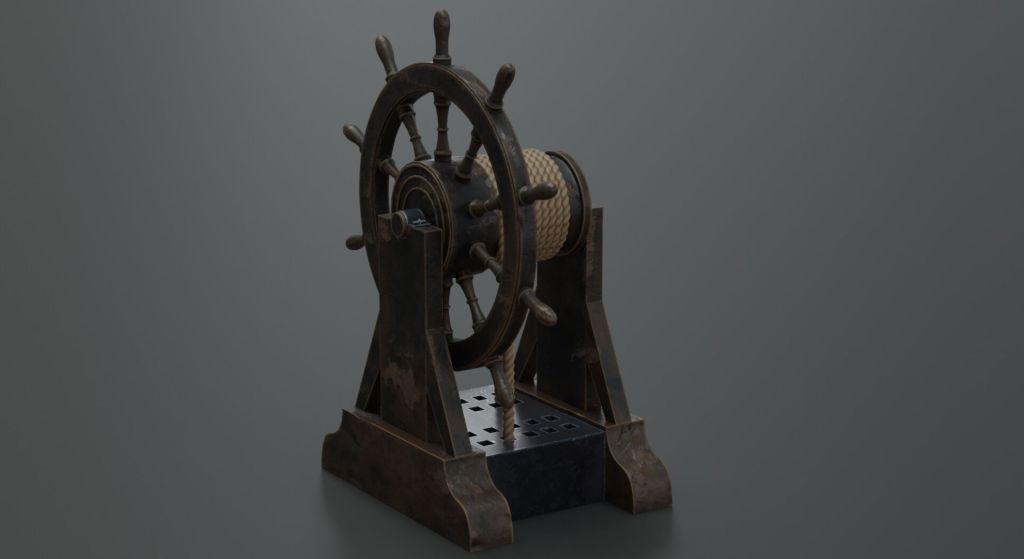
Designing the Perfect Ship Steering Wheel
Various factors come into play to create a ship steering wheel that perfectly matches a vessel’s aesthetics and functionality. Determining the size, number of spokes, and overall design requires careful consideration. Jon Wilson, the founder of WoodenBoat Publications, sought a classic ship’s wheel to serve as a fully functional piece. Inspired by the elegance of historical wheels aboard yachts like SERENADE and RAINBOW, Jon collaborated with Bob Fuller to bring his vision to life.
The Wheelmaking Process: From Idea to Final Product
From idea to finished product, there is a long road that demands knowledge, experience, and a profound respect for the craftsmanship of wheelmaking. Turning to Charles Fuller, Bob’s brother and a master machinist, the process begins with creating the wheel hub. Made from bronze, the hub is meticulously machined to ensure a precise fit and compatibility with the wheel shaft.
Precision and Symmetry: The Heart of Wheel Construction
Every element of a ship’s wheel must be carefully measured and fitted to balance metalworking and woodworking perfectly. Bob Fuller emphasizes the importance of precision and symmetry throughout the construction process. Using a layout board or “jig board,” he meticulously assembles the individual pieces of the wheel, ensuring that the spokes fit snugly into the hub and the segments hold the spokes together.
Bob Fuller’s dedication to precision extends to every aspect of the wheel’s creation, from selecting the finest materials to crafting each component with exacting detail. With decades of experience as a shipwright, he understands the significance of balance in form and function. As he meticulously aligns each piece on the layout board, he imbues the wheel with structural integrity and a timeless elegance that honors centuries of maritime tradition.
Innovations in Modern Ship Steering Systems
While traditional wooden ship steering wheels remain a beloved part of maritime heritage, modern advancements have introduced a range of innovative steering systems. These systems often incorporate sophisticated electronics, hydraulic mechanisms, and advanced materials to enhance precision and ease of use. Many contemporary vessels now feature integrated helm stations with touchscreen controls, autopilot capabilities, and joystick steering, allowing for more efficient and responsive navigation. Despite these advancements, the iconic image of the wooden wheel remains a powerful symbol of maritime tradition, often retained as a backup system or a nod to nautical history.
The Role of Ship Steering Wheels in Maritime Training
Training the next generation of sailors involves a blend of modern technology and traditional practices, with ship steering wheels playing a crucial role in maritime education. Nautical schools and training programs emphasize the importance of understanding the mechanics of ship steering wheels and the principles of navigation and ship handling. Practical exercises with traditional wheels help trainees develop a tactile sense of steering and a deep appreciation for maritime heritage. This hands-on experience is essential for cultivating the skills to manage classic vessels and modern ships with advanced steering systems.
Beauty in Craftsmanship: Wood Selection and Finishing
The wood used dramatically affects the beauty and durability of a ship’s wheel. Bob Fuller’s meticulous eye for detail extends to the selection of wood at the lumberyard. He looks for grain patterns and colors that will complement each wheel component. The segments, or felloes, and bands are handcrafted to fit perfectly, and once assemble, they are glued and reinforced with screws and bungs.
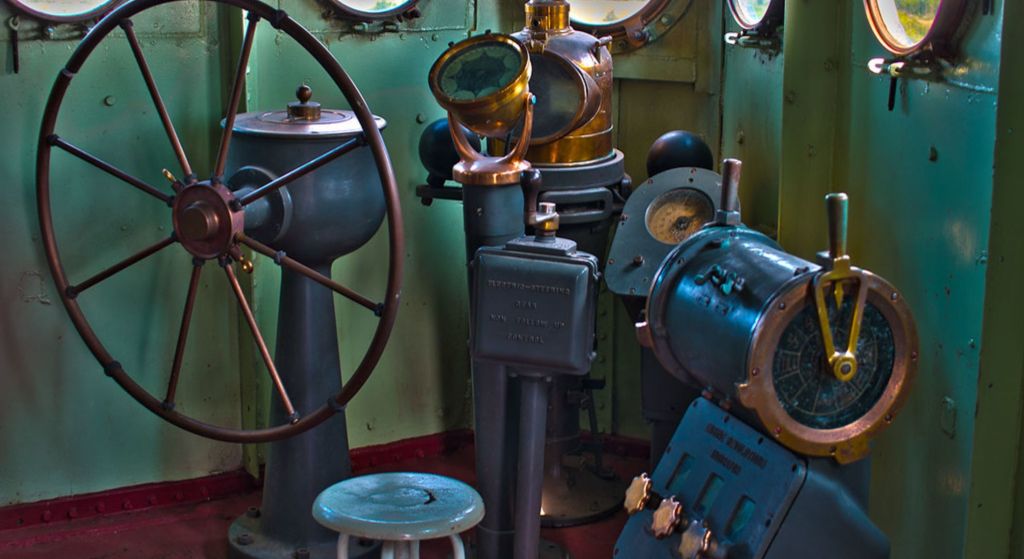
Preserving the Legacy: Varnishing and Final Touches
To preserve the wood and bring forth its inherent beauty, a ship’s wheel is varnish by hand. Bob Fuller hand-applies multiple coats of varnish, ensuring that each layer provides optimal protection against the elements. The final coats are often semi-gloss, highlighting the wood’s depth and character and the craftsmanship that went into its creation.
Passing the Torch: Apprenticeship and Future Generations
As the craft of wheelmaking continues to thrive, passing on the knowledge and skills to future generations is essential. Bob Fuller, an advocate for preserving skill traditions, has welcomed apprentices into his workshop. Derek Sprague, one of his apprentices, has embraced the art of wheelmaking, learning and honing his skills under Bob’s guidance. This commitment to apprenticeship ensures that the craft will endure for years.
The Enduring Allure of Wooden Ship Steering Wheels
Wooden ship steering wheels hold a timeless allure that transcends modern advancements in ship technology. Their non-magnetic properties and tactile warmth make them a preferred choice among sailors and shipbuilders. Beyond their functionality, these wheels evoke nostalgia, transporting people back to a simpler time. They continue to be a treasured and indispensable part of ship design, enhancing the traditional beauty of any ship
When we think of ships and the vast oceans they traverse, one iconic image that comes to mind is the ship’s steering wheel. This classic symbol of maritime navigation has stood the test of time. He serves as both a functional tool and a work of art. Everyone who has ever sailed or been interested in ships has a soft spot for the helm. Another name for the ship’s steering wheel. The intriguing world of ship steering wheels will be explored in this article, including their history, craftsmanship, and lasting relevance.

The Legacy of Ship Steering Wheels
Steeped in tradition and craftsmanship, ship steering wheels have a rich legacy that spans generations. Like a finely crafted boat, a well-made wooden ship steering wheel can be passed down from generation to generation. The stories and memories of countless voyages. Nigel Pert, a third-generation ship wheel builder, shares his experience of seeing wheels made by his family still in use today. A testament to the longevity and durability of these remarkable creations.
Crafting Ship Steering Wheels: A Labor of Love
Building a ship steering wheel is no ordinary task. It requires unique skills, meticulous attention to detail, and a deep understanding of wheelmaking. Bob Fuller, a renowned craftsman specializing in ship wheels, explains that the process begins with a concept. Working closely with his clients, he sketches and prototypes the design to ensure the final product meets their specifications.
Designing the Perfect Ship Steering Wheel
Various factors come into play to create a ship steering wheel that perfectly matches a vessel‘s aesthetics and functionality. Determining the size, number of spokes, and overall design requires careful consideration. Jon Wilson, the founder of WoodenBoat Publications, sought a classic ship’s wheel to serve as a fully functional piece. Inspired by the elegance of historical wheels aboard yachts like SERENADE and RAINBOW, Jon collaborated with Bob Fuller to bring his vision to life.
The Wheelmaking Process: From Idea to Final Product
From idea to finished product, there is a long road that demands knowledge, experience, and a profound respect for the craftsmanship of wheelmaking. Turning to Charles Fuller, Bob’s brother and a master machinist, the process begins with creating the wheel hub. Made from bronze, the hub is meticulously machine to ensure a precise fit and compatibility with the wheel shaft.
Precision and Symmetry: The Heart of Wheel Construction
Every element of a ship’s wheel must be carefully measure and fitted to balance metalworking and woodworking perfectly. Bob Fuller emphasizes the importance of precision and symmetry throughout the construction process. Using a layout board or “jig board,” he meticulously assembles the individual pieces of the wheel, ensuring that the spokes fit snugly into the hub and the segments hold the spokes together.
Beauty in Craftsmanship: Wood Selection and Finishing
The wood used dramatically affects the beauty and durability of a ship’s wheel. Bob Fuller’s meticulous eye for detail extends to the selection of wood at the lumberyard. He looks for grain patterns and colors that will complement each wheel component. The segments, or felloes, and bands are handcraft to fit perfectly. Once assemble, they are glued and reinforced with screws and bungs.
Preserving the Legacy: Varnishing and Final Touches
To preserve the wood and bring forth its inherent beauty, a ship’s wheel is varnish by hand. Bob Fuller hand-applies multiple coats of varnish, ensuring that each layer provides optimal protection against the elements. The final coats are often semi-gloss, highlighting the wood’s depth and character and the craftsmanship that went into its creation.
Bob Fuller’s meticulous attention to detail is evident in every stroke, as he carefully smooths out any imperfections to achieve a flawless finish. The rich amber hues of the varnish enhance the wood’s natural grain patterns, creating a stunning visual centrepiece aboard the vessel. With his expertise and dedication, Fuller’s craftsmanship ensures that the ship’s wheel not only withstands the rigours of the sea but also stands as a testament to timeless artisanal skill.

Passing the Torch: Apprenticeship and Future Generations
As the craft of wheelmaking continues to thrive, passing on the knowledge and skills to future generations is essential. Bob Fuller, an advocate for preserving skill traditions, has welcomed apprentices into his workshop. Derek Sprague, one of his apprentices, has embraced the art of wheelmaking, learning and honing his skills under Bob’s guidance. This commitment to apprenticeship ensures that the craft will endure for years.
Exploring the Evolution of Ship Steering Mechanisms
- The journey of ship steering mechanisms has been fascinating, transitioning from simple tiller systems to sophisticated steering wheels and modern technologies.
- Initially, ships were steered using a tiller, which directly controlled the rudder, making navigation challenging, especially for larger vessels.
- The invention of the ship’s wheel in the 18th century revolutionized maritime steering, allowing for more precise and effortless control.
- With the advent of steam and motorized ships, mechanical and hydraulic systems were integrated into the steering mechanisms, enhancing efficiency and reliability.
- Today, advancements in electronic and computer-aided steering systems have further streamlined the process, making navigation more accurate and less labor-intensive for the crew.
From Function to Form: The Aesthetic Appeal of Steering Wheels

- Ship steering wheels are not only functional but also serve as iconic symbols of maritime tradition and craftsmanship.
- The steering wheel design often reflects the era and style of the ship, with intricate carvings, inlays, and finishes that showcase the skill of the artisans.
- Materials such as polished wood, brass, and other metals are commonly used, contributing to the wheel’s visual appeal and durability.
- The aesthetic value of a steering wheel often becomes a focal point in ship design, balancing beauty with functionality.
- This blend of form and function makes the steering wheel a cherished element in maritime culture, often admired for its elegance and historical significance.
Cultural Significance: Steering Wheels as Maritime Symbols
- Ship steering wheels have become powerful symbols in maritime culture, representing control, leadership, and navigation.
- Historically, the wheel has been a metaphor for guidance and direction, often used in literature and art to symbolize the journey through life or a voyage.
- The captain’s wheel, in particular, embodies authority and responsibility, as it is the tool that navigates the ship through treacherous waters and ensures the safety of the crew.
- Steering wheels are often prominently featured in maritime logos, symbols, and decor, reinforcing their symbolic importance.
- This cultural significance transcends their practical use, embedding them deeply in the collective imagination as emblems of adventure and exploration.
Innovative Materials: Beyond Traditional Wood
- While traditional ship steering wheels are often made of wood, modern advancements have introduced a variety of materials that offer different benefits.
- Metals like aluminum and stainless steel are often used because they last a long time and can handle harsh marine conditions.
- Composite materials and high-strength plastics are also gaining popularity due to their lightweight properties and corrosion resistance.
- These innovative materials allow for more ergonomic designs, improving the crew’s comfort and ease of handling.
- The shift from purely aesthetic considerations to a focus on performance and longevity marks a significant evolution in steering wheel design, catering to the needs of modern maritime operations.
The Art of Restoration: Bringing Antique Wheels Back to Life
Distribution of Topics in Blog Content
- Restoring antique ship steering wheels is a meticulous process that involves preserving the original craftsmanship while making necessary repairs.
- Restoration often begins with thoroughly assessing the wheel’s condition and identifying any damage, wear, or missing parts.
- Skilled restorers then carefully clean, repair, or replace damaged components, ensuring that any new materials used match the original as closely as possible.
- The final stages often involve polishing, varnishing, and finishing, bringing the wheel back to its former glory while protecting it from future damage.
- This art of restoration revives historical artifacts and preserves the legacy and stories associated with these iconic symbols of maritime heritage.
The Enduring Allure of Wooden Ship Steering Wheels
Wooden ship steering wheels hold a timeless allure that transcends modern advancements in navigation technology. Their non-magnetic properties and tactile warmth make them a preferred choice among sailors and shipbuilders. Beyond their functionality, these wheels evoke nostalgia, transporting people back to a simpler time. They continue to be a treasured and indispensable part of ship design, enhancing the traditional beauty of any ship
FAQ’s
1.How does a ship’s steering wheel work?
The equipment that controls the direction and steering of a ship is called a steering wheel, helm, or wheelhouse. In most ships, the captain or helmsman operates it from the bridge.
2.How does a ship steering wheel work?
A ship steering wheel is connect to the ship’s rudder through a series of mechanical linkages or hydraulic systems. When the wheel is turn, it controls the movement of the rudder. In turn determines the direction in which the ship will travel.
3.What is the purpose of a steering wheel?
The primary purpose of a ship steering wheel is to provide a means for the ship’s crew to control the boat’s direction. The captain or helmsperson can adjust the angle of the rudder and navigate the vessel safely through various water conditions.
4.Are ship steering wheels still used in modern ships?
While modern ships often utilize electronic systems for steering control, ship steering wheels are still use in many vessels. Main smaller ships and recreational boats. They serve as a traditional and reliable backup method for steering in case of electronic system failures.
5.How big is a typical ship steering wheel?
Depending on the ship’s size, the steering wheel might be of varying sizes. The wheel can be several feet in diameter in larger vessels. In smaller boats, it may be only a few inches. The size is design to provide adequate leverage for the helmsman to control the rudder.
6.Can anyone steer a ship using a steering wheel?
Operating a ship steering wheel requires training and knowledge of maritime navigation. While anyone can physically turn the wheel, proper navigation and maneuvering of a ship require understanding ship handling, maritime rules. navigation techniques.
7.Are ship steering wheels used in other types of marine vessels?
Ship steering wheels are primarily use in ships and boats that operate in water bodies such as oceans, seas, lakes, and rivers. Such as steering wheels or controls, are also use in other marine vessels like submarines, hovercrafts, and some larger personal watercraft.
With its rich history, exquisite craftsmanship, and enduring significance, the ship steering wheel will forever hold a prominent place in the maritime world. From the concept and design phase to the meticulous construction process, every step in creating a ship’s wheel requires a deep appreciation for the artistry involved. As wooden ship steering wheels continue to be pass down through generations and new artisans learn the trade. This remarkable maritime tradition will continue to thrive, ensuring that the legacy of these iconic wheels remains intact for years to come.