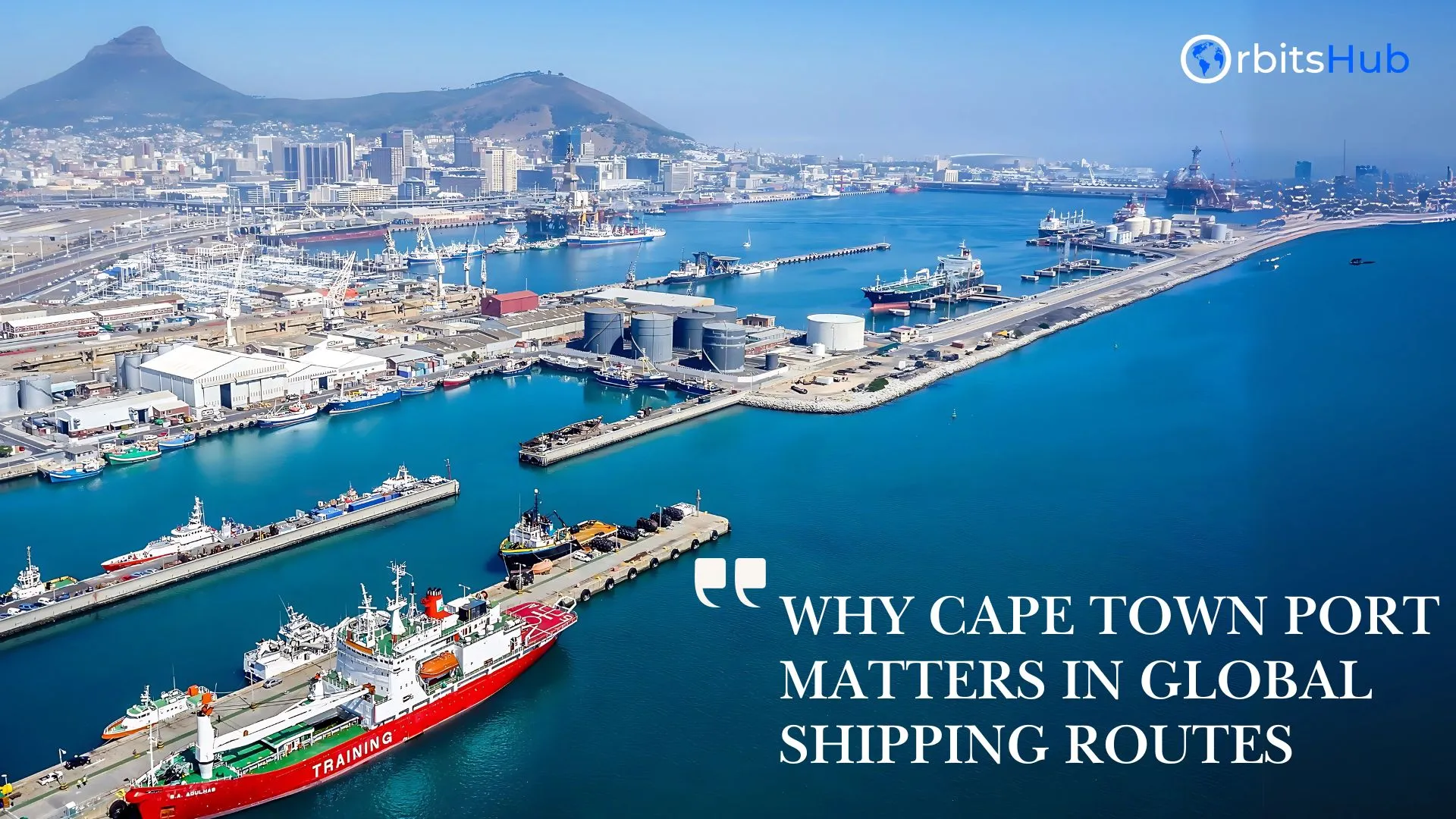
International marine trade is centered in Cape Town Port in southern Africa. Major marine routes can easily transport freight at the Atlantic-Indian Ocean junction. The port’s strategic location, advanced technologies, and sustainability are most significant to marine, aviation, business, government, and environmental protection professionals.
Strategic Importance of Cape Town Port
Geographic Advantage
Cape Town Port’s proximity to the Cape of Good Hope positions it as a vital link between Europe, Asia, and the Americas. This strategic location optimizes routing, reducing transit times and fuel costs. The port handles diverse cargo types, including containers, bulk commodities, and refrigerated goods, ensuring operational versatility. Maritime professionals rely on this flexibility to meet varied supply chain demands.
Connectivity to Global Supply Chains
The port is integrated with South Africa’s logistics networks, connecting coastal operations to inland economic centers like Johannesburg and Pretoria. This connectivity facilitates efficient goods movement, minimizing delays and enhancing supply chain reliability. Corporate decision-makers value the port’s role in reducing logistical bottlenecks, making it a dependable trade partner.
Technological Innovations Enhancing Operations
Adoption of Smart Port Technologies
Cape Town Port employs digital transformation to improve efficiency. Automated cargo handling, real-time tracking systems, and predictive analytics streamline operations and reduce vessel turnaround times.
Blockchain technology enhances supply chain transparency, while IOT devices monitor equipment performance. Technology innovators view these advancements as opportunities to develop scalable solutions for global ports.
Intermodal Integration with Aviation
The port’s proximity to Cape Town International Airport supports seamless intermodal logistics. Cargo transfers between sea and air are optimized for time-sensitive shipments, such as pharmaceuticals and high-value electronics. Aviation industry experts recognize this capability as critical for just-in-time delivery models, reinforcing Cape Town’s status as a multimodal transport hub.
Commitment to Sustainability
Implementation of Green Practices
Sustainability is a cornerstone of Cape Town Port’s operations, aligning with global environmental standards. Shore power for docked ships, energy-efficient port operations, and clean energy sources like solar power all help reduce pollution.
These initiatives support the International Maritime Organization’s 2050 decarbonization targets. Sustainability advocates praise the port’s leadership in green maritime practices.
Environmental Stewardship
Located near ecologically sensitive areas, such as Table Mountain National Park, the port implements stringent measures to protect marine ecosystems. Ballast water management systems and waste recycling programs minimize environmental impact. Government and defense officials regard these practices as a model for balancing economic activity with ecological responsibility.
Economic Contributions and Opportunities

Economic Impact on South Africa
Cape Town Port is a significant driver of South Africa’s economy, supporting thousands of jobs and contributing to GDP. It facilitates the export of key commodities, including minerals, agricultural products, and manufactured goods, strengthening the nation’s trade position. Corporate decision-makers see the port as an attractive investment opportunity due to its role in regional economic development.
Opportunities for Collaboration
The port fosters collaboration among shipping lines, technology providers, and government agencies. Public-private partnerships drive innovations like autonomous vessel trials and data-driven logistics solutions. Technology innovators find Cape Town Port an ideal environment for testing and scaling new technologies with global applications.
Operational Excellence and Industry Standards
High Standards in Cargo Handling
Cape Town Port adheres to international standards for cargo handling, ensuring safety and efficiency. Advanced equipment and trained personnel minimize cargo damage and operational delays. Maritime professionals trust these standards to maintain reliability in global trade operations, enhancing the port’s reputation.
Workforce Development and Training
The port invests in workforce training programs on safety, technology adoption, and environmental compliance. These initiatives create a skilled labor pool capable of meeting industry demands. Corporate decision-makers value this commitment to human capital, as it supports operational reliability and long-term growth.
Risk Management and Resilience
Addressing Cybersecurity Threats
As digital technologies proliferate, Cape Town Port prioritizes cybersecurity to protect its operations. Robust systems safeguard against data breaches and ensure the integrity of supply chain information. Technology innovators and government officials recognize the importance of these measures in maintaining trust and operational continuity.
Building Climate Resilience
Climate change poses risks, including rising sea levels and extreme weather events. The port is implementing adaptive infrastructure designs and contingency planning to enhance resilience. Government and defense officials support these efforts, ensuring the port can operate under adverse conditions and safeguarding global trade flows.
Challenges Facing Cape Town Port
Infrastructure Limitations
Aging infrastructure and capacity constraints present operational challenges. Congestion during peak periods can disrupt supply chains. Investments in terminal expansions and dredging projects aim to accommodate larger vessels and improve efficiency. Maritime professionals stress the urgency of these upgrades to maintain competitiveness.
Geopolitical and Environmental Risks
The port operates in a complex geopolitical environment, with risks like trade disputes and piracy in nearby waters. Environmental challenges, including climate-induced disruptions, further complicate operations. Government officials engage in regional cooperation and resilience planning to mitigate these risks, ensuring long-term viability.
Future Role in Global Trade
Adapting to Industry Trends
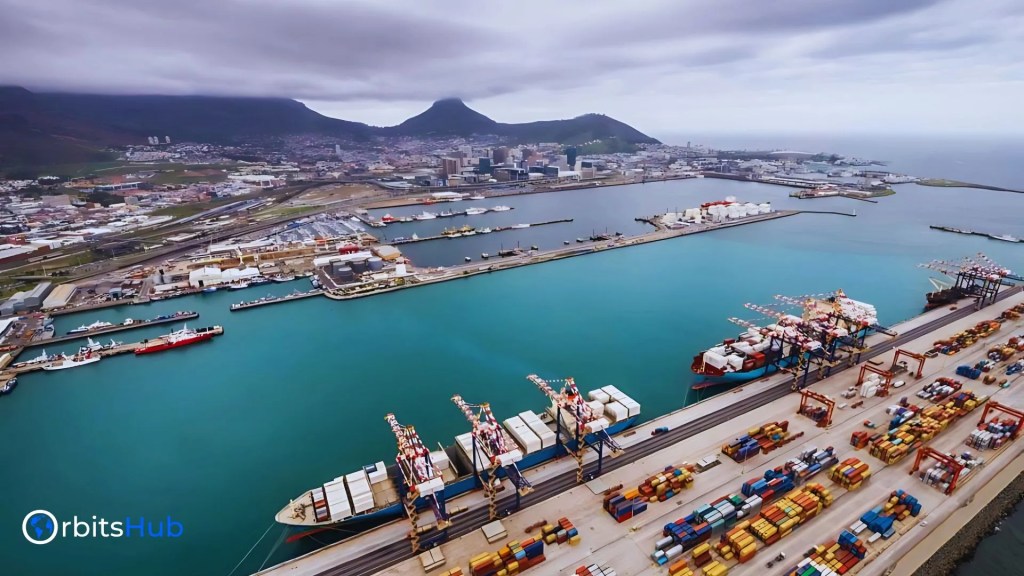
The maritime industry is evolving with the rise of mega-ships and new trade routes, particularly within Africa’s growing economies. Cape Town Port is upgrading its infrastructure to handle ultra-large container vessels, positioning itself as a hub for emerging routes. Its geopolitical importance grows with the African Continental Free Trade Area (AfCFTA). Maritime professionals view these developments as critical to global competitiveness.
Leadership in Maritime Innovation
Investments in artificial intelligence, green fuels, and autonomous systems position Cape Town Port as a leader in maritime innovation. These advancements align with industry trends toward efficiency and sustainability. Technology innovators and sustainability advocates see the port as a blueprint for modern port management with global applicability.
Cape Town Port’s location, technology, and environmental dedication are vital to worldwide shipping. Maritime and aviation professionals, corporate executives, and government officials support it because it boosts the economy, functions smoothly, and prevents accidents. Collaboration and investment sustain resilience despite infrastructure and global issues. Cape Town Port will innovate and grow marine logistics as global trade shifts.
Frequently Asked Questions
1. Why is Cape Town Port strategically important?
Its location near the Cape of Good Hope links Europe, Asia, and the Americas, optimizing routes and reducing transit times.
2. How does Cape Town Port promote sustainability?
It uses shore power, renewable energy, and recycling to cut emissions and protect ecosystems, meeting global green goals.