Navigating the vast oceans has always been challenging for mariners. Over the centuries, advancements in technology have significantly enhanced maritime safety. One of the most crucial developments in this field is ship radar. This technology has transformed maritime navigation, ensuring ships can sail safely, avoid collisions, and efficiently reach their destinations.
The Basics of Ship Radar
What is Ship Radar?
Ship radar, short for Radio Detection and Ranging, is a system used to detect objects and determine their distance, angle, and speed relative to the ship. It emits radio waves and analyses the echoes from other vessels, landmasses, and weather formations. This information is crucial for navigational safety and efficient maritime operations.
Components of a Ship Radar System
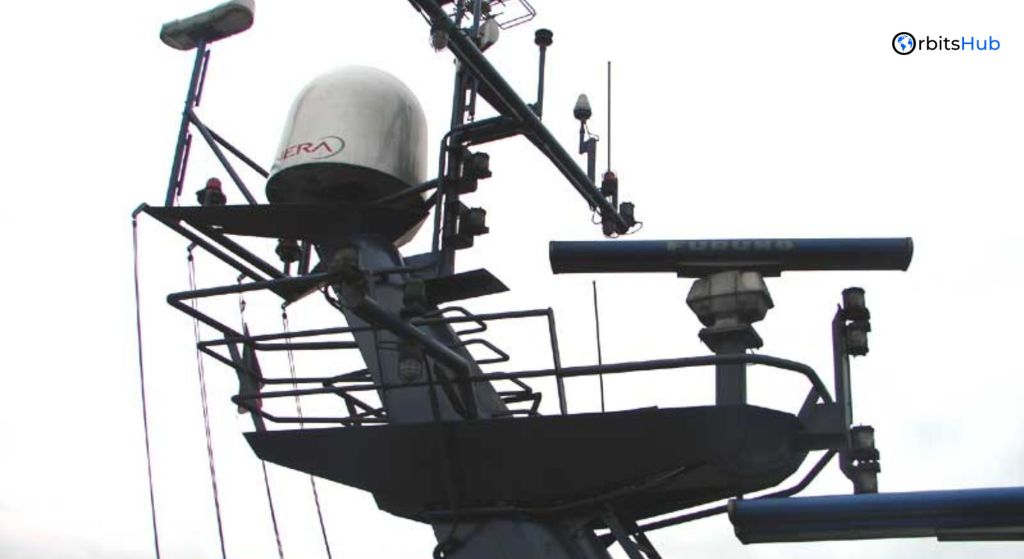
A typical ship radar system consists of several key components:
- Transmitter: Generates the radio waves that are transmitted into the environment.
- Antenna: Sends out the radio waves and receives the echoes reflected from objects.
- Receiver: Captures and processes the returning echoes to extract useful information.
- Display Unit: Visualizes the processed data, allowing the crew to interpret the radar readings.
- Processor: Analyzes the received signals and turns them into a format that can be shown and understood.
How Ship Radar Works
Ship radar works on the principle of electromagnetic wave reflection. Here’s a simplified breakdown of the process:
- The transmitter generates a burst of radio waves.
- These waves are sent out into the environment by the antenna.
- When the waves encounter an object, they are reflected towards the ship.
- The antenna receives the returning echoes.
- The receiver processes these echoes and calculates the objects’ distance, angle, and speed.
- The processed information is displayed on the radar screen, visually representing the surroundings.
The Role of Ship Radar in Maritime Safety
Collision Avoidance
One of the primary functions of ship radar is to prevent collisions. By continuously monitoring the surroundings, radar systems can detect other vessels, stationary objects, and potential hazards long before they pose a threat. This early detection allows the crew to take necessary actions, such as altering the course or speed, to avoid collisions and ensure safe navigation.
Real-time Monitoring
Ship radar provides real-time monitoring of the ship’s environment. This capability is especially crucial in busy shipping lanes, congested ports, and areas with poor visibility due to fog, rain, or darkness. The radar’s ability to detect objects that are not visible to the naked eye enhances situational awareness and reduces the risk of accidents.
Navigation Assistance
Radar systems are vital in aiding navigation, especially in challenging conditions. They provide information about the ship’s position relative to landmasses, navigational aids, and other vessels. This information is essential for precise route planning and safe manoeuvring in narrow channels, harbours, and near coastlines.
Harbor Navigation
Navigating harbours and ports can be particularly challenging due to numerous vessels, docks, and other structures. Ship radar helps identify and track these objects, enabling the crew to navigate safely and avoid potential collisions with stationary or moving obstacles.
Weather Monitoring
Ship radar is also instrumental in monitoring weather conditions. It can detect and track weather formations such as rain, thunderstorms, and hurricanes. This capability allows the crew to anticipate adverse weather, make informed decisions, and take appropriate measures to ensure the vessel’s and its occupants’ safety.
Avoiding Adverse Weather
Ship radar provides real-time information about weather conditions, helping to avoid hazardous weather areas. By taking this preventative measure, we can safeguard the cargo, keep the crew safe, and reduce the impact of bad weather on our schedule.
Advanced Features of Modern Ship Radar Systems

Automatic Identification System (AIS) Integration
Modern ship radar systems often integrate with the Automatic Identification System (AIS). Ships and vessel traffic services use AIS to track and locate other ships. When radar and AIS data are combined, the whole maritime environment, including all vessels’ names, locations, courses, and speeds, can be seen.
Target Tracking
Advanced radar systems offer target tracking capabilities, allowing them to continuously monitor and predict the movements of multiple targets simultaneously. This feature is handy in congested waters where various vessels are nearby. The system can calculate and display potential collision courses, giving the crew ample time to take corrective actions.
Radar Overlay
Radar overlay is a feature that superimposes radar data onto electronic navigational charts (ENCs). This integration enhances situational awareness by clearly and accurately representing the surroundings, including navigational aids, coastlines, and other vessels. It simplifies navigation and reduces the risk of human error.
Doppler Radar
Some modern radar systems use Doppler radar technology to measure the velocity of detected objects. This capability is beneficial in assessing the speed and direction of approaching vessels, enabling more accurate predictions of potential collision courses and enhancing overall safety.
Benefits of Ship Radar for Maritime Safety
Enhanced Situational Awareness
Ship radar significantly enhances situational awareness by providing real-time information about the ship’s surroundings. This information is crucial for making informed decisions, especially in challenging conditions such as poor visibility, congested waters, and adverse weather.
Improved Decision-Making
With accurate and timely data from the radar system, the crew can make better decisions regarding navigation, collision avoidance, and weather-related actions. This preventative measure lessens the likelihood of mishaps and guarantees the ship, crew, and cargo security.
Reduced Human Error
Ship radar reduces the reliance on human vision and judgment, minimizing the risk of human error. The system provides objective and reliable data that can be easily interpreted, ensuring that decisions are based on accurate information rather than subjective observations.
Increased Operational Efficiency
By providing precise information about the ship’s position, surroundings, and weather conditions, radar systems contribute to more efficient route planning and navigation. This efficiency reduces fuel consumption, shorter travel times, and lower operational costs.
Enhanced Safety in Adverse Conditions
Radar systems are indispensable in adverse conditions like fog, heavy rain, and darkness. They ensure the ship can navigate safely even when visibility is severely compromised. This capability is vital for maintaining safety and preventing accidents in challenging environments.
Challenges and Limitations of Ship Radar
Radar Interference
Radar interference can occur due to various factors, such as nearby vessels, structures, and environmental conditions. This interference can lead to false echoes and reduced accuracy, making it challenging to interpret the radar data accurately.
Blind Spots
Radar systems have limitations in detecting objects in certain areas, known as blind spots. These areas can be caused by the ship’s structure, cargo, or other obstacles that obstruct the radar waves. Blind spots can pose a risk, especially in close-quarter situations where objects may go undetected.
Maintenance and Calibration
Ship radar systems must be calibrated and maintained regularly to guarantee accuracy and reliability. Deteriorated performance, decreased accuracy, and an increased likelihood of accidents can result from neglecting to do these activities.
Dependence on Technology
While ship radar significantly enhances safety, it also creates a dependence on technology. Mariners must be trained to interpret radar data accurately and understand its limitations. Overreliance on radar without proper training and knowledge can lead to complacency and increased risk.
Ship radar is an indispensable tool for ensuring maritime safety. Its object detection and monitoring capabilities, navigational aids, and real-time meteorological data provision result in improved situational awareness and a lower likelihood of accidents. Despite its challenges and limitations, the benefits of ship radar far outweigh the drawbacks. By integrating advanced features such as AIS, target tracking, and radar overlay, modern radar systems continue to improve maritime safety and operational efficiency.
As technology advances, ship radar systems will continue to evolve, offering even greater capabilities and further enhancing maritime safety. Mariners must remain vigilant, undergo proper training, and maintain their radar systems to ensure they operate at peak performance.
Visit the OrbitsHub website to explore the latest maritime safety and technology advancements. OrbitsHub is your trusted marine and aviation consultancy partner.