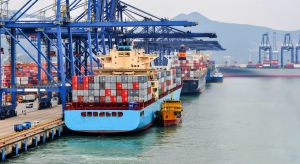
Imagine a tiny island nation, barely visible on a world map, yet wielding enormous influence over the global maritime industry. This is the story of Singapore, a country that has transformed from a small fishing village into a shipbuilding powerhouse. But how did this city-state, with limited natural resources and land, become a titan in the shipbuilding world?
The Rise of Singapore’s Shipbuilding Industry
Singapore Shipbuilding: A Historical Perspective
Singapore’s journey to shipbuilding dominance didn’t happen overnight. It’s a tale of strategic planning, unwavering determination, and adaptability. Initially, in the early days of its independence, Singapore recognized the potential of its strategic location at the crossroads of major shipping routes. Therefore, the government made a conscious decision to invest heavily in developing its maritime capabilities. As a result, Singapore has emerged as a dominant force in global shipbuilding, solidifying its position as a maritime powerhouse.
The government, therefore, made a conscious decision to invest heavily in developing its maritime capabilities.
Initially, Singapore focused on ship repair and maintenance services. However, as the industry grew, so did the country’s ambitions. By the 1970s, Singapore had begun to venture into shipbuilding, starting with small vessels and gradually moving on to larger, more complex ships.
Singapore Shipbuilding: Factors Driving Success
Several key factors have contributed to Singapore’s rise as a shipbuilding powerhouse:
- Strategic Location: Singapore’s location on major trade lines at the southernmost point of the Malay Peninsula has been a big plus.
- Government Support: Moreover, the Singaporean government has consistently provided substantial support to the shipbuilding industry through favorable policies and investments in infrastructure.
- Skilled Workforce: Singapore has invested heavily in education and training, creating a highly qualified workforce capable of meeting the industry’s demands.
- Technological Innovation: The country has embraced cutting-edge technologies, which helps it make ships that are ahead of the curve.
- Business-Friendly Environment: Furthermore, Singapore’s stable political climate, transparent business practices, and efficient bureaucracy have attracted numerous international companies to operate there.
Singapore’s Shipbuilding Ecosystem
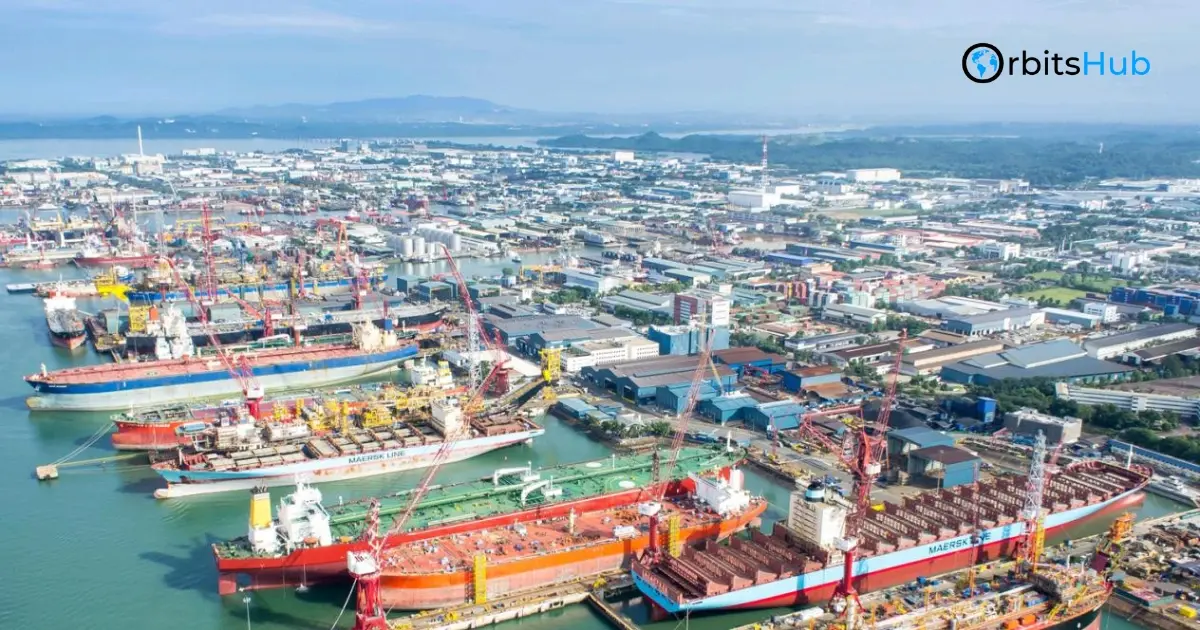
Singapore Shipbuilding: Key Players and Infrastructure
Singapore’s shipbuilding industry is characterized by a robust ecosystem of shipyards, suppliers, and supporting industries. Some of the key players include:
- Keppel Offshore & Marine: One of the world’s largest offshore and marine groups, known for its expertise in offshore rigs and specialized ships.
- Sembcorp Marine: A leading player in the offshore and marine industry, specializing in the design and construction of rigs, floaters, and vessels.
- ST Engineering Marine: A key player in naval shipbuilding and repair, serving both military and commercial clients.
These companies and numerous smaller yards and suppliers form the backbone of Singapore’s shipbuilding industry. Moreover, the country boasts state-of-the-art port facilities, including the Tuas Mega Port, which, when completed, will be the world’s largest fully automated terminal.
Singapore Shipbuilding: Innovation and Technology
Innovation has been at the heart of Singapore’s shipbuilding success. The country has been quick to adopt and develop new technologies, including:
Application: Creating complex ship components.
Impact: Reduces production time and costs.
Application: Employed in various shipbuilding stages.
Impact: Improves efficiency and precision.
Focus: Eco-friendly ship solutions.
Examples: LNG-powered ships, zero-emission ships.
Leadership: Singapore is a key innovator.
Function: Creates virtual ship replicas.
Benefits: Enhances design, testing, and maintenance processes.
Global Impact and Future Prospects
Singapore Shipbuilding: Dominating the Global Market
Singapore’s influence in the global shipbuilding market is undeniable. The country has carved out niches in several high-value segments, including:
- Offshore Rigs: Singapore is a world leader in constructing jack-up rigs and submersibles.
- Specialised Vessels: The country excels in building complex ships, such as LNG carriers, cruise ships, and naval vessels.
- Ship Repair and Conversion: Singapore’s strategic location makes it a preferred destination for ship repair and conversion services.
Furthermore, Singapore’s shipbuilding industry has played a crucial role in its economy, contributing significantly to its GDP and employing thousands of workers.
Singapore Shipbuilding: Navigating Future Challenges
While Singapore’s shipbuilding industry has enjoyed tremendous success, it faces several challenges moving forward:
- Global Competition: Emerging shipbuilding nations, particularly in Asia, significantly threaten Singapore’s market share.
- Environmental Regulations: Stricter environmental norms require continuous ship design and construction innovation.
- Economic Uncertainties: Global economic fluctuations can impact demand for new ships and offshore structures.
Nevertheless, Singapore is in a good place to deal with these problems. The government is already investing money in research and development to stay ahead of the curve.
For instance, Singapore’s Maritime and Port Authority has started projects to make ships that can sail themselves and encourage using alternative fuels.
Maritime Hub
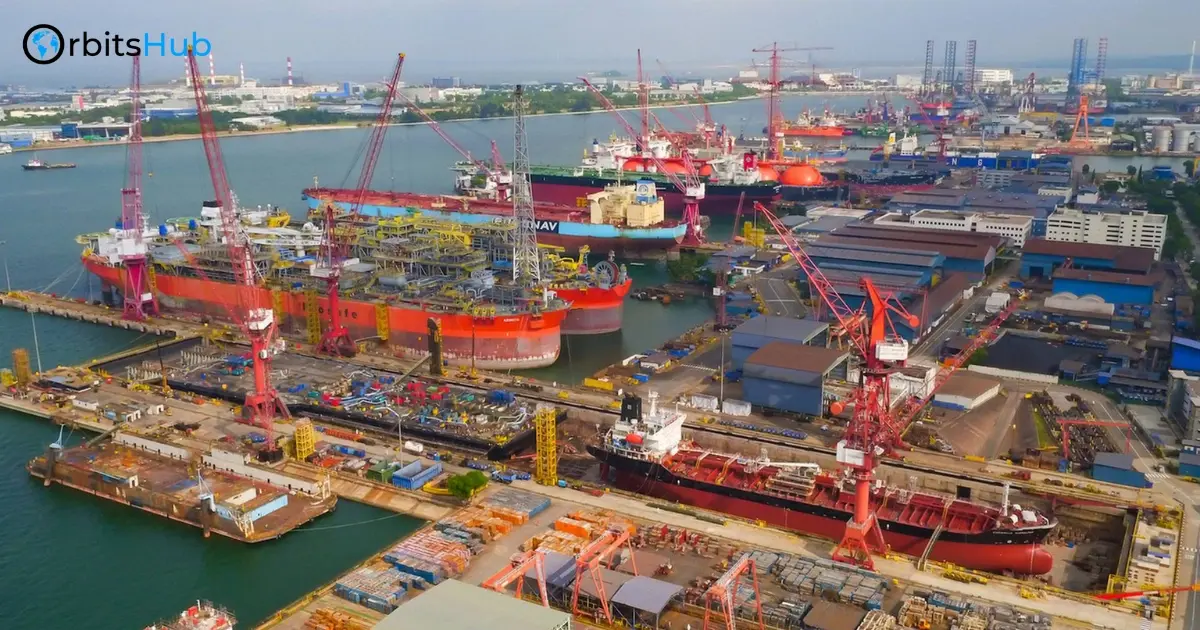
Singapore’s dominance in the global shipbuilding market is a testament to the country’s vision, strategic planning, and adaptability. Starting with its humble beginnings as a small port, Singapore laid the groundwork for its maritime ambitions.
Over time, it transformed into a shipbuilding powerhouse, navigating the choppy waters of the global maritime industry with remarkable skill.
Ultimately, this journey underscores Singapore’s ability to thrive in a competitive and ever-evolving sector.
The country’s success in shipbuilding is built on a foundation of strategic location, government support, a skilled workforce, technological innovation, and a business-friendly environment.
Together, these factors have enabled Singapore to establish a thriving ecosystem of shipyards, suppliers, and supporting industries.
Consequently, this ecosystem has become capable of delivering world-class ships and offshore structures. Moreover, Singapore’s continuous focus on innovation ensures its position as a global leader in the maritime industry.
FAQ’S About Singapore’s Shipbuilding
A: Strategic location, government support, skilled workforce, technological innovation, and a business-friendly environment.
A: By investing in R&D, focusing on eco-friendly technologies, developing autonomous vessels, and improving efficiency through automation.