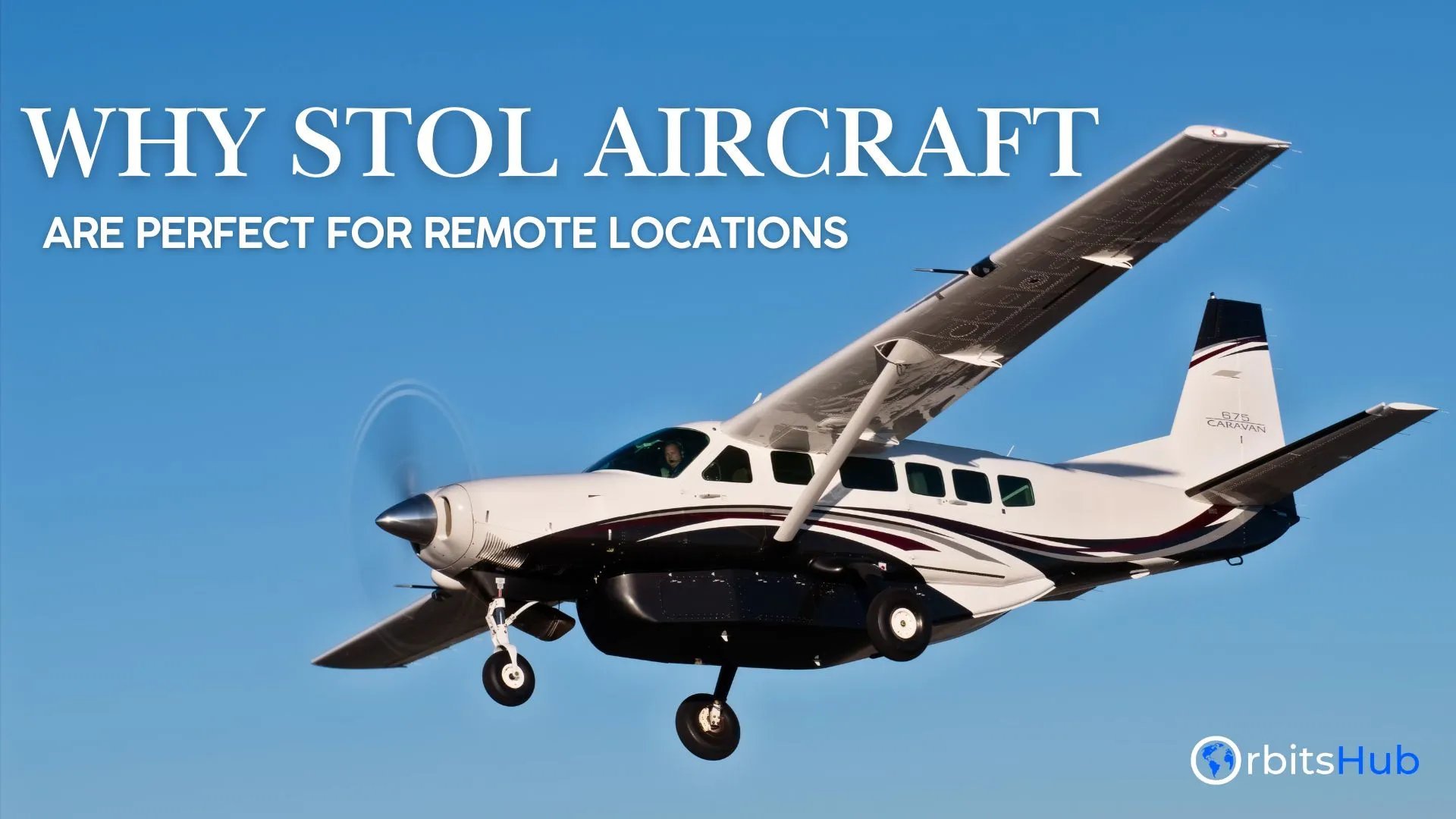
Small Takeoff and Landing (STOL) planes can land and take off from small or makeshift runways, but regular planes can’t. STOL planes let people who work in marine and aviation, business leaders, government and defense officials, and environmental activists get to places that aren’t easy. These planes make operations more efficient, lower the cost of infrastructure, and help with disaster response and logistics.
Understanding STOL Aircraft
Technical Specifications
STOL aircraft are designed with specialized features, including high-lift wings, advanced flap systems, and powerful engines, enabling takeoff and landing within minimal distances, often under 200 feet. These characteristics allow operations on unprepared surfaces like gravel, grass, or sand, common in remote maritime and coastal regions. For aviation experts, the aerodynamic efficiency and robust design of STOL aircraft ensure reliable performance in constrained environments.
Historical Context and Modern Advancements
Some airplanes, called STOLs, are built with special features that let them take off and land very close, usually within 200 feet. These traits include potent engines, high-lift wings, and new flap systems. Powerful engines are also built into the design.
It is common to find unprepared grounds like sand, grass, or gravel in maritime and coastal areas far from everything else. Because of these qualities, work can be done on these kinds of surfaces. Aerodynamic efficiency and a strong design are two things that experts say STOL aircraft have that make sure they work reliably in places with limited room.
Advantages of STOL Aircraft for Remote Operations

Enhanced Accessibility
One of the best things about STOL planes is that they can go to places with little infrastructure, like offshore sites, coastal outposts, or islands that are hard to get to. Planes that can take off and land quickly can use smaller, makeshift landing areas instead of the long tracks that regular planes need.
This skill is necessary for people who work in maritime and are in charge of logistics in remote areas and government officials who are in charge of emergency response in places that don’t have built airstrips.
Operational Cost-Efficiency
Business decision-makers can gain a lot from STOL aircraft’s lower costs. Because they can make many short-distance trips in one day, they can increase their output while reducing fuel use. The costs of buying and maintaining short-takeoff and landing planes are often lower than those of helicopters. This makes them a good financial choice for businesses that need quick ways to move their goods.
Mission Flexibility
STOL aircraft support various applications, including cargo transport, passenger services, surveillance, and emergency medical evacuations. They facilitate supply deliveries to offshore facilities or fishing fleets in maritime contexts.
Defense officials benefit from their rapid deployment capabilities in austere environments. At the same time, humanitarian missions rely on their ability to reach disaster-affected areas quickly.
Sustainability Benefits of STOL Aircraft
Environmental Efficiency
Sustainability is a key consideration for transport industries. STOL aircraft contribute by requiring minimal ground infrastructure, thus preserving natural landscapes. Their fuel-efficient designs reduce carbon emissions compared to larger aircraft or helicopters.
Emerging hybrid and electric STOL models further align with the priorities of sustainability advocates, offering lower environmental impact for remote operations.
Economic Support for Remote Regions
Because STOL planes make it possible for communities in remote places to be reached reliably, economic growth can happen without expensive infrastructure improvements. For example, marine areas that depend on fishing or tourists can use STOL planes to get goods to markets on the mainland, which helps long-term growth. Through this skill, some remote areas can keep their economies stable over the long term.
Operational Challenges and Mitigation Strategies
Environmental and Terrain Constraints
STOL aircraft must navigate harsh conditions, such as high winds, fog, or uneven surfaces, which are common in maritime environments. Advanced navigation systems enhance operational safety, including GPS and real-time weather monitoring. Aviation experts recommend comprehensive pilot training and regular maintenance to ensure consistent performance in challenging conditions.
Infrastructure and Financial Considerations
While STOL aircraft reduce the need for extensive runways, basic landing zones may still require investment. Corporate decision-makers and government officials can mitigate costs by developing modular landing solutions like portable mats or gravel strips. Leasing options for STOL aircraft also provide a cost-effective alternative to outright purchases, enabling organizations to test their operational benefits.
Strategic Applications in Maritime and Aviation Sectors
Maritime Logistics Optimization
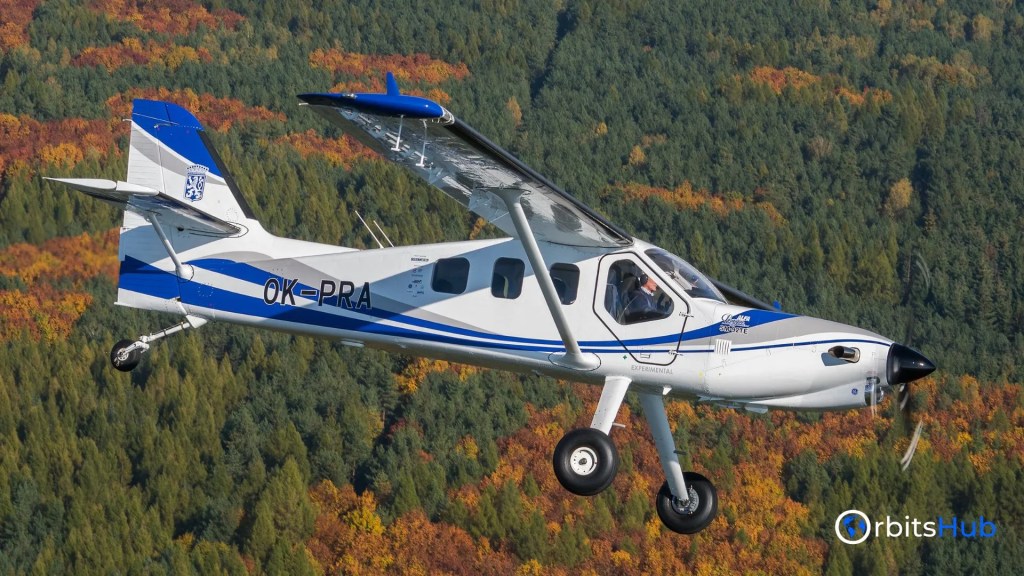
In the maritime industry, STOL aircraft streamline logistics for offshore platforms, research stations, and coastal facilities. Their ability to operate from small vessels or improvised airstrips ensures timely equipment, personnel, or supplies delivery. This capability enhances operational continuity in remote maritime environments, reducing reliance on costly helicopter services.
Defense and Emergency Response
For defense officials, STOL aircraft provide rapid deployment options for personnel and equipment in remote or contested areas. Their ability to use minimal infrastructure supports agile mission planning. Similarly, in humanitarian contexts, STOL aircraft deliver critical aid to disaster-stricken coastal regions, ensuring swift response times where traditional aircraft cannot operate.
Technological Innovation and Future Prospects
Technology innovators are advancing STOL aircraft through autonomous flight systems, lightweight materials, and sustainable propulsion technologies. These developments enhance operational efficiency and align with industry trends toward automation and environmental responsibility. Corporate decision-makers investing in these innovations can position their organizations at the forefront of maritime and aviation advancements.
STOL aircraft make rural enterprises more accessible, cheaper, and versatile. Because they require little infrastructure, they’re helpful for maritime logistics, defence, and humanitarian missions. Because they support sustainability aims, they offer a novel green transportation choice.
Marine and aviation professionals, corporate executives, government officials, and tech workers employ STOL planes to solve remote operations difficulties and keep people connected and productive in hostile environments.
FAQs About STOL Aircraft
1. What makes STOL aircraft suitable for remote maritime locations?
STOL aircraft can take off and land on short, improvised surfaces, enabling access to remote maritime sites with minimal infrastructure, ideal for logistics and emergency response.
2. Are STOL aircraft environmentally sustainable?
Yes, STOL aircraft use fuel-efficient designs and require less ground infrastructure. Hybrid and electric models further reduce emissions, supporting sustainable transport.